Attractions — Tokyo Metropolis
Attraction
Kiyomizu Kannon‑do Pavilion
Kiyomizu Kannon‑do Pavilion · Павильон Киёмидзу Каннон-до · Павильон Киёмидзу Каннон-до
This pavilion is famous for its “moon pine”. In Japanese culture, observing nature is important — examples are hanami (cherry‑blossom viewing) and momiji (autumn maple viewing). Another tradition is tsukimi, the autumn festival for viewing the full moon. One branch of the “moon pine” is bent into a circular shape through which the full moon can be admired especially beautifully. The original tree died in the 20th century and was immortalized in Hiroshige’s famous series ‘One Hundred Famous Views of Edo’. In 2012 it was replaced by a new “moon pine”.

Attraction
アトレ上野
アトレ上野
Atre Ueno is a modern shopping and dining complex integrated directly into Ueno Station, offering a convenient stop for travelers. It features a variety of shops, cafes, and restaurants, making it a practical spot for a quick bite or some retail therapy before or after exploring Ueno Park and its museums.
Attraction
Apple Japan LLC
Apple Japan LLC · Apple Japan LLC · Apple Japan LLC
The corporate headquarters of Apple.
Attraction
Yayoi Archaeological Site
Yayoi Archaeological Site
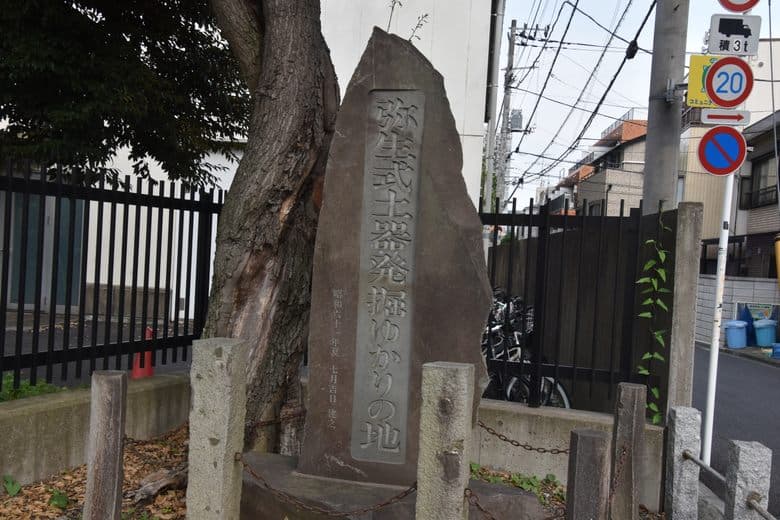
The Yayoi Archaeological Site marks the location where pottery from Japan's pivotal Yayoi period was first discovered, though the original site is now lost to development. What remains today is a largely unremarkable, tarp-covered area on the University of Tokyo's Asano campus, primarily of interest to dedicated archaeology enthusiasts.
Attraction
Tokyo Tower Wax Museum's Progressive Rock Room
Tokyo Tower Wax Museum's Progressive Rock Room
Hidden within the Tokyo Tower Wax Museum, this unique room is a shrine to progressive rock, particularly German krautrock. Visitors will find wax figures of iconic musicians like Frank Zappa and Ian Anderson, alongside a dedicated section for lesser-known krautrock legends, surrounded by vintage posters and memorabilia.
Attraction
Site of the Rokumeikan
Site of the Rokumeikan
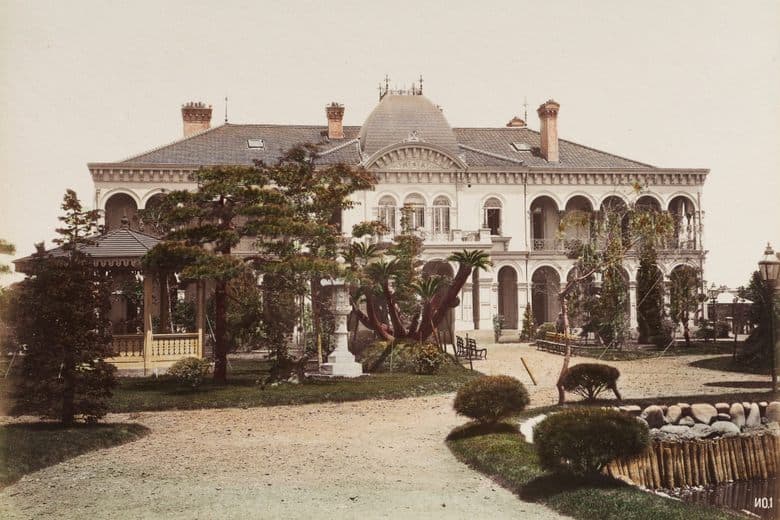
The Site of the Rokumeikan marks the location of a once-opulent state guest house that symbolized Japan's rapid Westernization during the Meiji era. Today, visitors will find only an inconspicuous plaque amidst modern Tokyo, serving as a subtle reminder of a significant, albeit short-lived, historical period.
Attraction
Amazake-babaa
Amazake-babaa
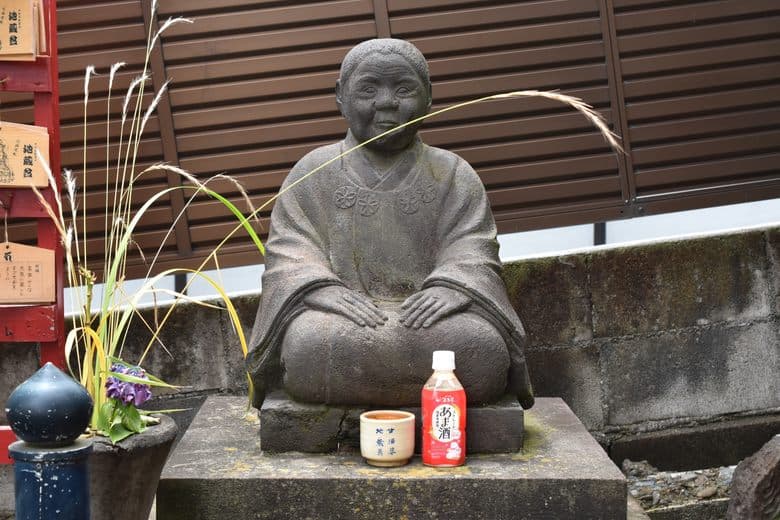
The Amazake-babaa statue at Nichirin-ji Temple in Tokyo offers a unique glimpse into local folklore, depicting a deified hag believed to protect children from colds and coughs. While not a major tourist destination, it appeals to those seeking unusual cultural insights beyond typical attractions.
Attraction
Airporter, Inc.
Airporter, Inc.
Airporter, Inc. offers luggage delivery services across Japan, allowing travelers to send bags between hotels or to airports. While some users praise its convenience for hands-free travel, others report significant issues with damaged luggage, cancelled services, and poor customer support.
Attraction
Ubagaike Pond
Ubagaike Pond
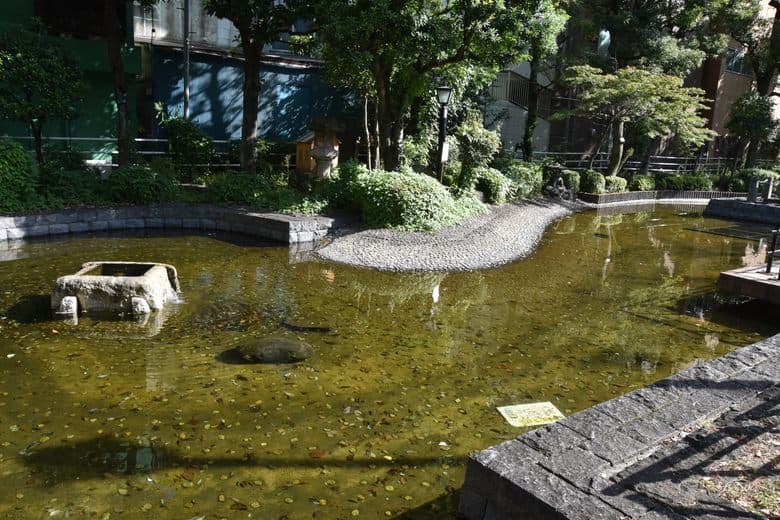
Ubagaike Pond is a small, recreated pond in a children's park in Asakusa, marking the site of a legendary feudal-era tale. It's known for the chilling story of the 'Hag' serial killer, which inspired Edo period artists and playwrights. While the original lake has largely disappeared, this spot offers a glimpse into local folklore rather than a grand natural sight.

Attraction
Clone Factory
Clone Factory
The Clone Factory in Akihabara offers a unique, albeit somewhat unsettling, experience: creating a 3D-printed miniature replica of your head. While not a traditional tourist spot, it appeals to those seeking an unusual souvenir or curious about advanced 3D printing technology.
Attraction
Nakagin Capsule Tower
Nakagin Capsule Tower
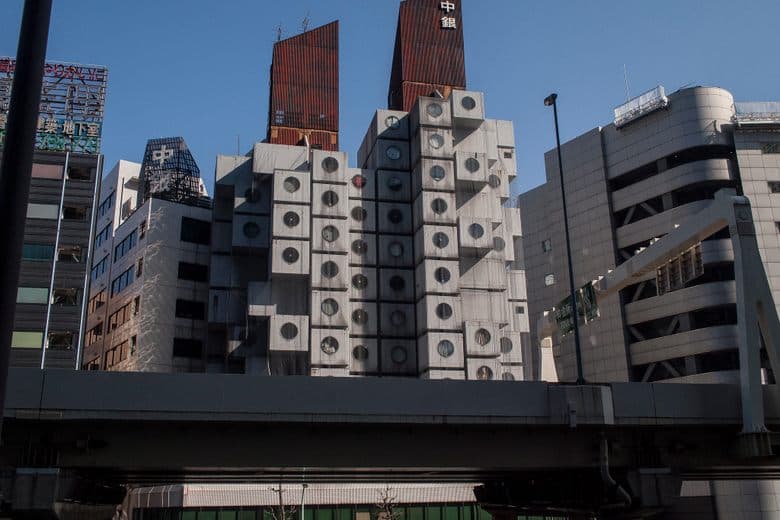
Once a striking example of Metabolist architecture, the Nakagin Capsule Tower in Tokyo, known for its unique modular design, has been demolished. While it was a significant landmark, visitors can no longer experience this architectural marvel firsthand.
Attraction
Public Utility Conduits of Ginza
Public Utility Conduits of Ginza
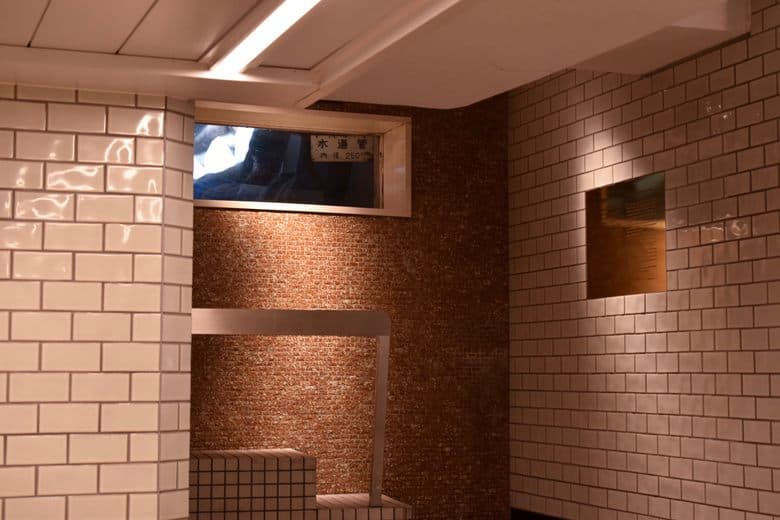
Hidden beneath the upscale streets of Ginza, a small window offers a rare peek into the complex network of public utility conduits that power and service the district. It's a unique, albeit brief, insight into the unseen engineering behind a bustling metropolis.
Attraction
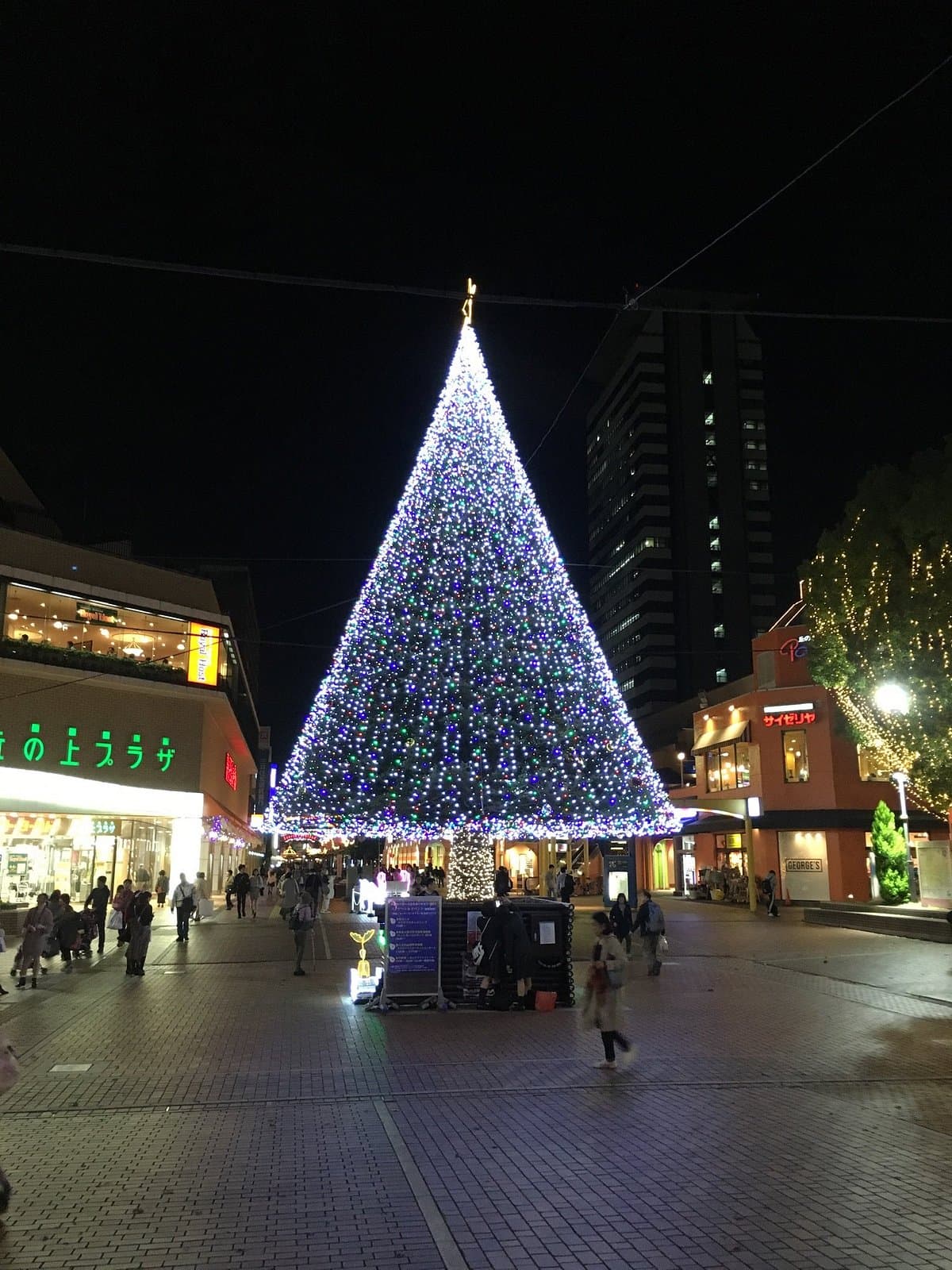
Parthenon Main Street
Parthenon Main Street
Parthenon Main Street is a wide, gently sloping pedestrian deck that connects Tama Center Station directly to the Parthenon Tama building. Visitors describe it as a pleasant, straightforward walk, often noting the presence of character statues like Hello Kitty along the way.
Attraction
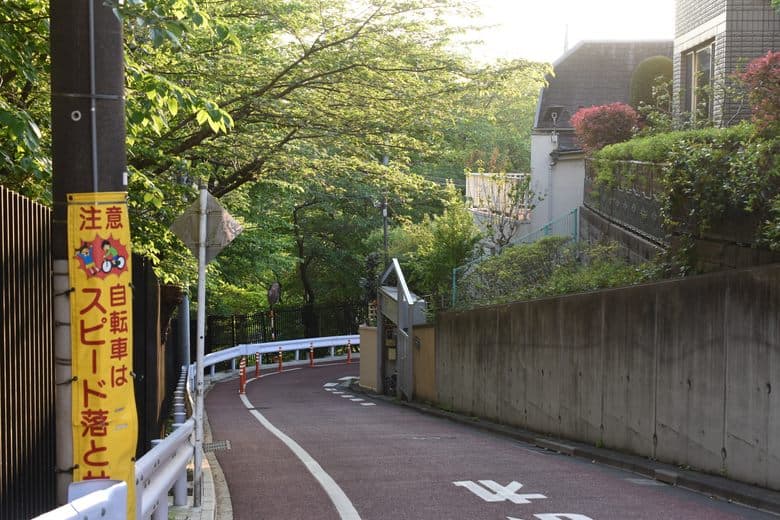
Dorikono Slope
Dorikono Slope
Dorikono Slope in Tokyo's Ota City is a quiet residential street with a unique historical name, commemorating a discontinued pre-war energy drink called Durikono. While offering little in terms of visual spectacle, it provides a glimpse into a niche piece of local heritage for those interested in Tokyo's lesser-known stories.

Attraction
Harajuku Kawaii Land Kyun Kyun Animal Petting
Harajuku Kawaii Land Kyun Kyun Animal Petting · 原宿かわいいランドキュンキュン · Harajuku Kawaii Randokyunkyun
Harajuku Kawaii Land Kyun Kyun Animal Petting offers a unique opportunity to interact with small animals in a themed, 'kawaii' (cute) environment. It's designed for visitors looking for a hands-on animal experience, particularly appealing to those interested in Japan's cute culture.

Attraction
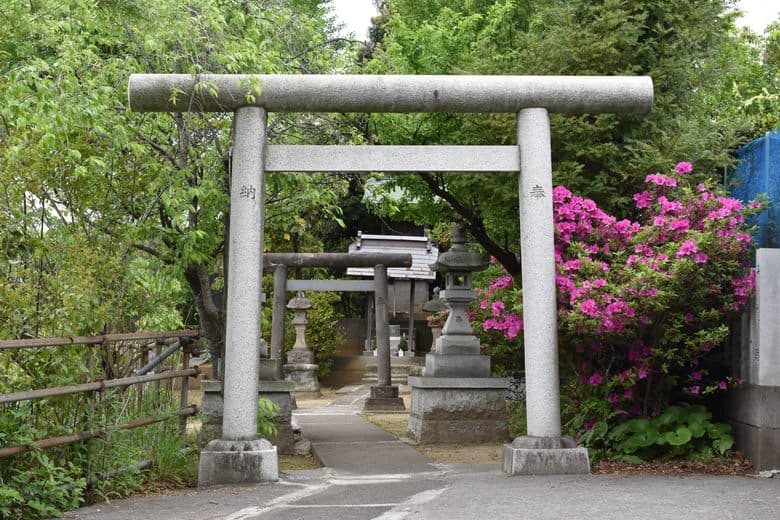
Waho-An Nature Tokyo
Waho-An Nature Tokyo
Attraction
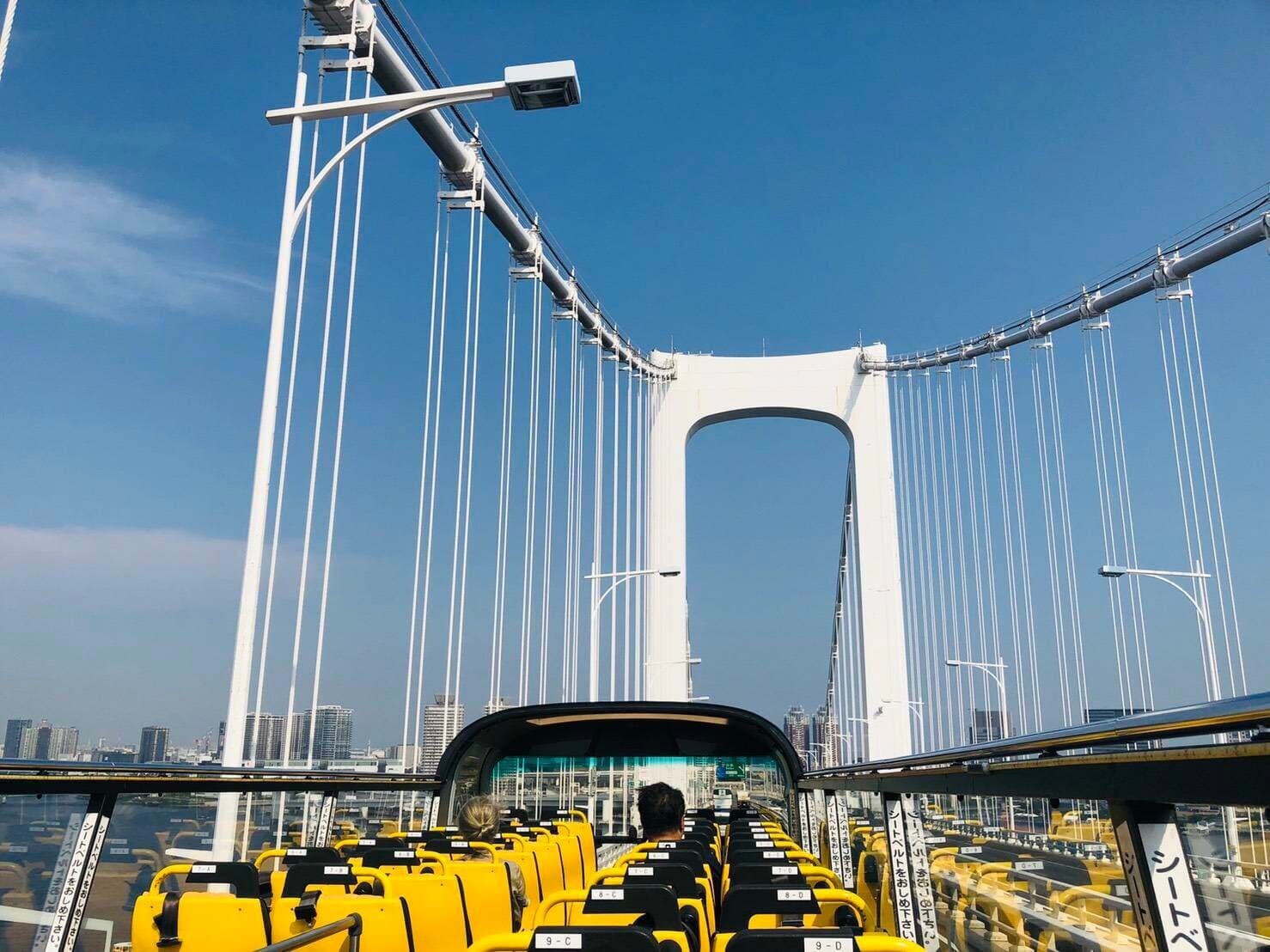
Sky Hop Bus Tokyo
Sky Hop Bus Tokyo · スカイホップバス · Sukaihoppubasu
The Sky Hop Bus Tokyo offers a hop-on hop-off sightseeing experience across three routes, aiming to provide an easy way to see Tokyo's landmarks. However, visitor experiences are highly mixed, with many reporting significant issues regarding bus frequency, commentary quality, and overall value, often leading to frustration rather than convenience.
Attraction
Kenashi Pond
Kenashi Pond
Kenashi Pond is a small, unassuming body of water in a residential Tokyo neighborhood, known less for its natural beauty and more for its peculiar local legends. Visitors come to see the site of tales involving a giant white snake, a water god, and an unusual connection to pubic hair, making it a curiosity for those interested in Japan's stranger folklore.
Attraction
Hatsudai Bridge
Hatsudai Bridge
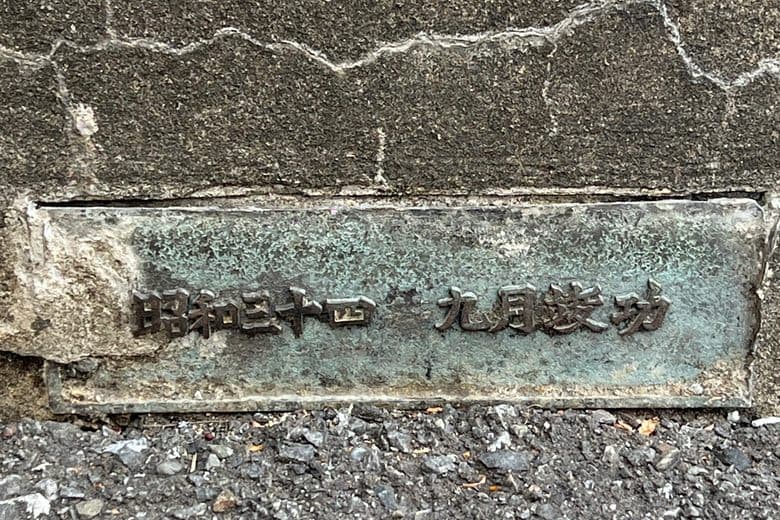
The Hatsudai Bridge remnant offers a subtle glimpse into Tokyo's past, marking the former course of a 'lost river' now flowing beneath the city streets. It's a unique spot for those interested in urban development and hidden historical traces, though easily overlooked by the casual visitor.

Attraction
Meiji Park
Meiji Park · 都立明治公園 · Toritsu Meiji Kōen
Meiji Park is a small, urban green space in Tokyo, primarily serving as a local park for relaxation. While it offers a pleasant environment for a short break, it lacks significant attractions or historical importance to warrant a dedicated visit for most tourists.