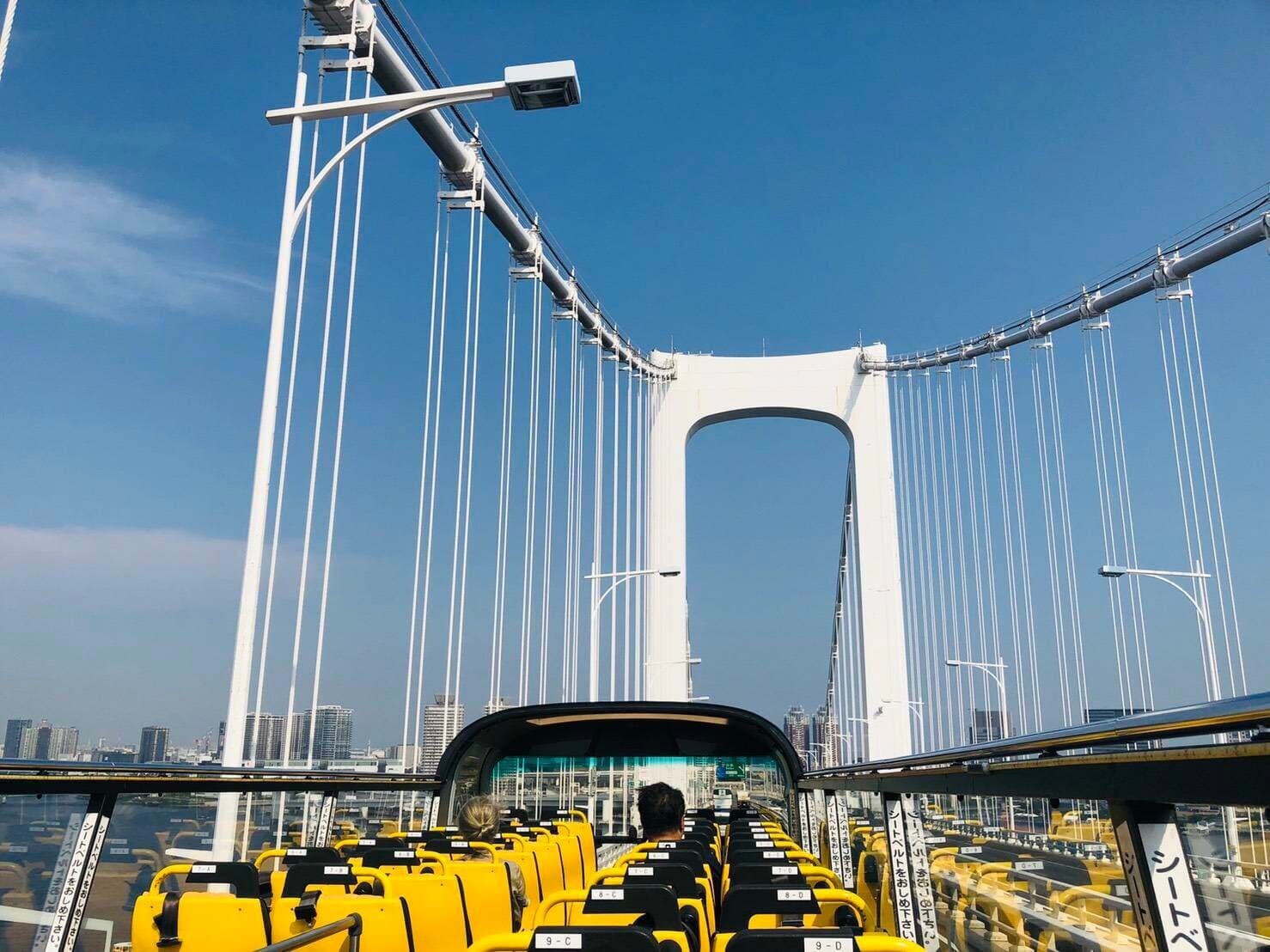
The Sky Hop Bus Tokyo is a hop-on hop-off sightseeing service designed to connect visitors with major attractions across Tokyo via three distinct routes: Red (Asakusa/Tokyo Skytree), Blue (Tokyo Tower, Tsukiji, Ginza), and Green (Shinjuku, Shibuya). The service aims to offer a flexible way to explore the city, allowing passengers to disembark at points of interest and reboard at their leisure.
Visitors frequently praise the concept of seeing Tokyo from an open-top double-decker bus, especially for first-time visitors seeking an overview of the city. The ability to cover multiple areas like Asakusa, Shinjuku, and Ginza in a single day is often highlighted as a benefit. Some reviewers found the experience refreshing and enjoyed the sunset rides on the blue line. The staff are generally described as polite and helpful. However, a significant number of visitors express strong dissatisfaction, primarily due to the infrequency of buses, with waits often exceeding an hour. This makes the "hop-on hop-off" aspect impractical, as getting off means potentially missing out on seeing other areas due to long reboarding times. Many also report that the audio commentary is poor, out of sync with the actual locations, or overshadowed by music or a live Japanese guide, rendering it unhelpful for English speakers.
For those still considering the Sky Hop Bus, it is advisable to treat it more as a scenic bus tour rather than a flexible transport option. Plan to complete entire loops without hopping off, or select only one or two key stops if you intend to disembark. Review the timetables online in advance and consider taking the earliest possible bus to maximize your day. Bringing your own 3.5mm headphones is recommended for the audio guide, as some buses may not provide them or connections might be unreliable. Be prepared for potential discomfort in extreme weather; open-top buses can be very hot in summer with limited shade, and some buses are single-decker or covered, especially during rain, which diminishes the sightseeing experience. If you are prone to motion sickness, some reviewers noted this as an issue.
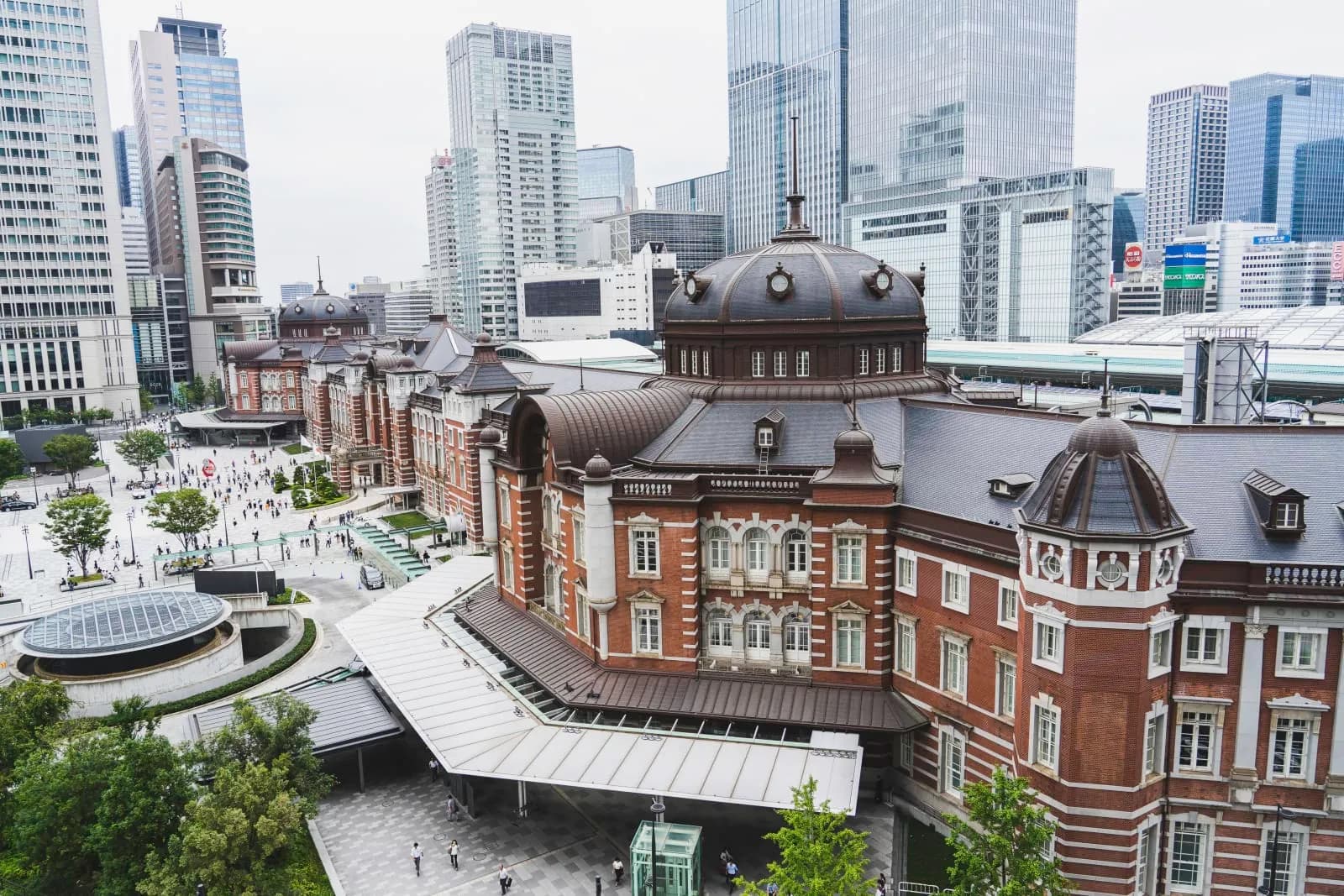
The main boarding point for all three routes is near the Mitsubishi Building Marunouchi, which is conveniently located a short walk from the Marunouchi South Exit of Tokyo Station. From Tokyo Station, cross the street towards the Apple store to find the departure point. Tokyo Station is a major hub accessible by numerous JR lines (Yamanote, Chuo, Keihin-Tohoku, Tokaido, etc.) and Tokyo Metro lines (Marunouchi). Given the widespread complaints about bus frequency and reliability, relying on Tokyo's extensive and efficient subway and train network (e.g., using a Suica card or a tourist subway pass) is a far more dependable and often quicker way to navigate between attractions.
The most common complaints revolve around the lack of buses, leading to excessively long wait times (often 60-90 minutes or more) and buses being full, preventing reboarding. This issue is exacerbated by the fact that the routes rarely intersect, making transfers between lines difficult without returning to the main hub. To mitigate this, consider purchasing a 2-day pass if you truly wish to explore multiple routes, allowing more flexibility. However, many visitors found even a 2-day pass insufficient due to the operational inefficiencies. If you encounter a single-decker or covered bus instead of the advertised open-top, be aware that this is a common occurrence, especially in bad weather or when demand exceeds open-top bus availability, significantly impacting the viewing experience.