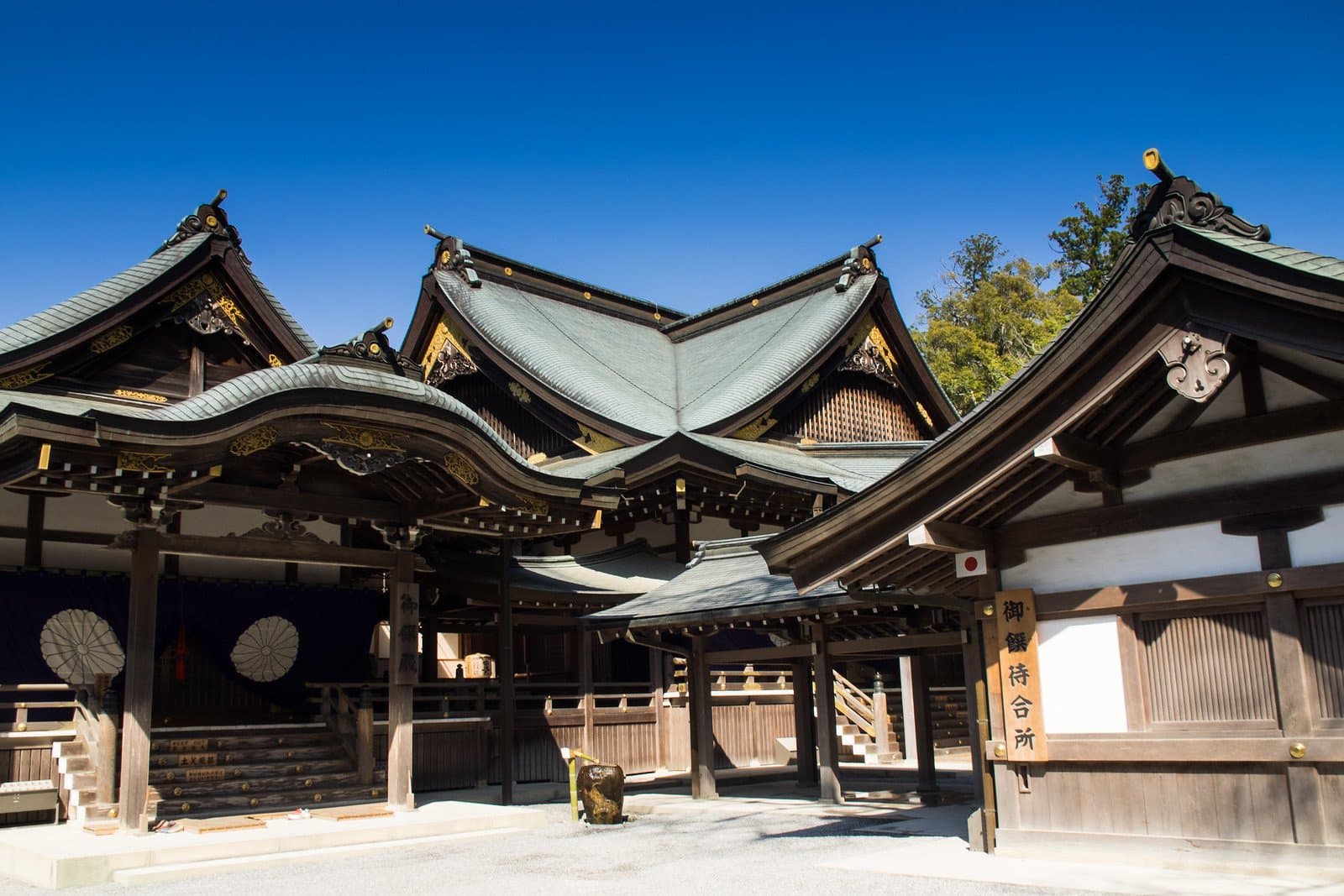
Mie Prefecture, located on Japan’s Pacific coast in the transition zone between Kansai and Chūbu, is a region defined by sacred traditions, dramatic natural landscapes, and a strong sense of rural continuity. Often described as the spiritual heart of Shinto, Mie offers an atmospheric travel experience focused on pilgrimage, nature, and slow exploration rather than urban sightseeing.
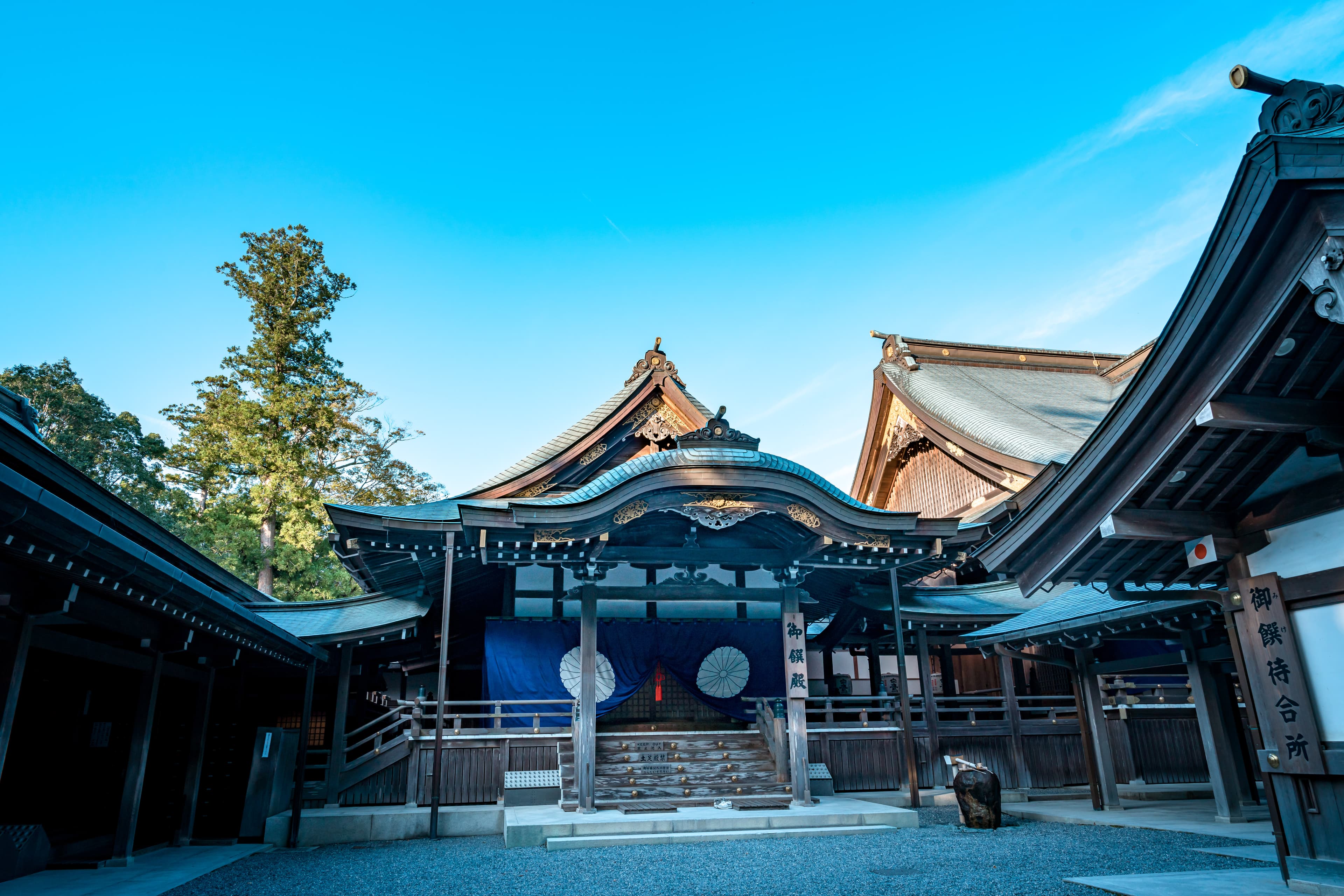
The prefecture’s centerpiece is Ise Grand Shrine, the most sacred site in Shinto, which is ritually rebuilt every 20 years as a symbol of renewal and continuity. Surrounded by ancient forests and approached through quiet ritual pathways, Ise sets the tone for the entire region. Along the coast, Ise-Shima National Park reveals a contrasting landscape of ria shorelines, small fishing harbors, pearl-farming villages, and calm seaside views shaped by the Pacific.
Inland areas add further depth, with forested mountains, waterfalls, historic post towns, and access to the Kumano Kōdō pilgrimage routes—ancient paths once walked by emperors and monks. These routes, combined with rural villages and traditional architecture, give Mie a timeless, understated character that feels profoundly Japanese and largely untouched by mass tourism.
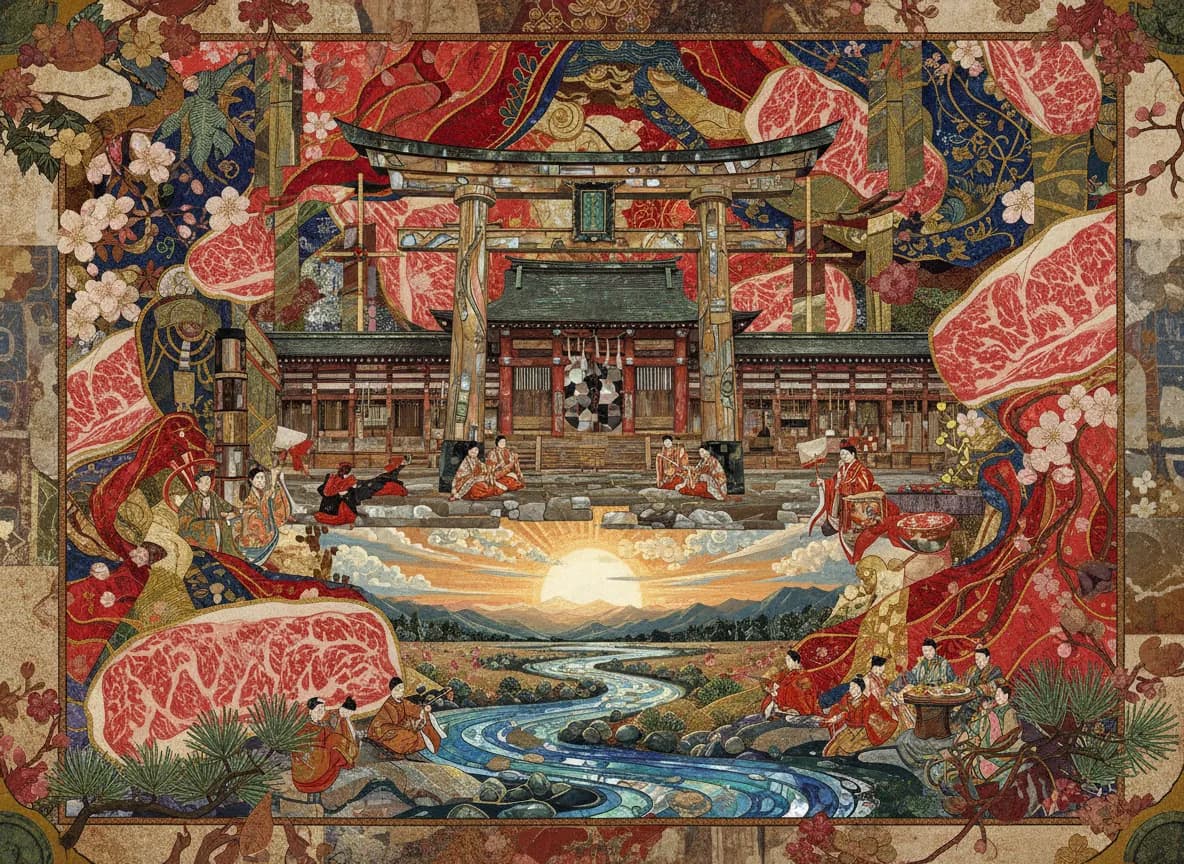
Food is a major part of the experience. Regional specialties include Ise udon, known for its thick noodles and rich sauce, world-famous Matsusaka beef, fresh seafood, abalone, lobster, and coastal delicacies. Ryokan stays, onsen baths, and quiet seaside towns complement the cuisine, reinforcing Mie’s appeal as a destination for reflection, cultural immersion, and calm landscapes.
Best for: culture lovers, spiritual travelers, slow-travel enthusiasts, photographers, and food-focused travelers.
Why go: Ise Shrine, sacred traditions, pilgrimage routes, rugged coastline, premium local cuisine, and a quiet, authentic side of Japan.
Seasonal Travel Tips
Spring (March–May)
Cherry blossoms around Ise and inland towns.
Mild temperatures ideal for walking and shrine visits.
Clear coastal views and comfortable travel conditions.
Summer (June–August)
Hot and humid, but lively along the coast.
Festivals, seafood season, and beach areas in Ise-Shima.
Best for travelers focused on food and coastal scenery.
Autumn (September–November)
One of the best seasons for pilgrimage routes and hiking.
Autumn foliage in forested inland areas.
Fewer crowds and comfortable temperatures.
Winter (December–February)
Cool, quiet, and deeply atmospheric.
Ideal for shrine visits, ryokan stays, and onsen.
Minimal snowfall compared to northern Japan.