XiaomapXiaomap
MapGuidesTransporteSIM
XiaomapXiaomap

Provinces, Municipalities & Autonomous Regions

AichiAichi PrefectureAkitaAomoriChibaEhimeFukuiFukuoka PrefectureFukushimaGifuGifu PrefectureGunmaHiroshimaHokkaido PrefectureHyōgo PrefectureIbarakiIshikawaIshikawa PrefectureIwateKagawaKagoshimaKanagawaKanagawa PrefectureKōchiKumamotoKyoto PrefectureMie PrefectureMiyagiMiyazakiNaganoNagasakiNara PrefectureNiigataŌitaOkayamaOkinawaOsaka PrefectureSagaSaitamaShiga PrefectureShimaneShizuokaShizuoka PrefectureTochigiTokushimaTokyo MetropolisTottoriToyamaWakayamaYamagata PrefectureYamaguchiYamanashi
© 2025-2026 www.japantripmap.com
Nara Prefecture cover image
A-

Province

Nara Prefecture

奈良県

Nara Prefecture, located east of Kyoto in the Kansai region, is the historical cradle of Japanese civilization and Buddhism. Once Japan’s first permanent capital, Nara is home to some of the country’s oldest temples, sacred forests, and UNESCO World Heritage sites. Beyond Nara City, the prefecture unfolds into mountains, pilgrimage routes, and rural valleys connected to the Kumano region. Calm, walkable, and deeply cultural, Nara offers a slower, more contemplative alternative to Kyoto. It is ideal for travelers seeking history, spirituality, and authentic landscapes.

Nara Prefecture, located in the Kansai region just east of Kyoto, is widely regarded as the birthplace of Japanese statehood, Buddhism, and classical culture. As Japan’s first permanent capital in the 8th century, Nara preserves an extraordinary concentration of ancient temples, sacred forests, and historical landscapes, offering a deeply atmospheric and culturally rich travel experience.

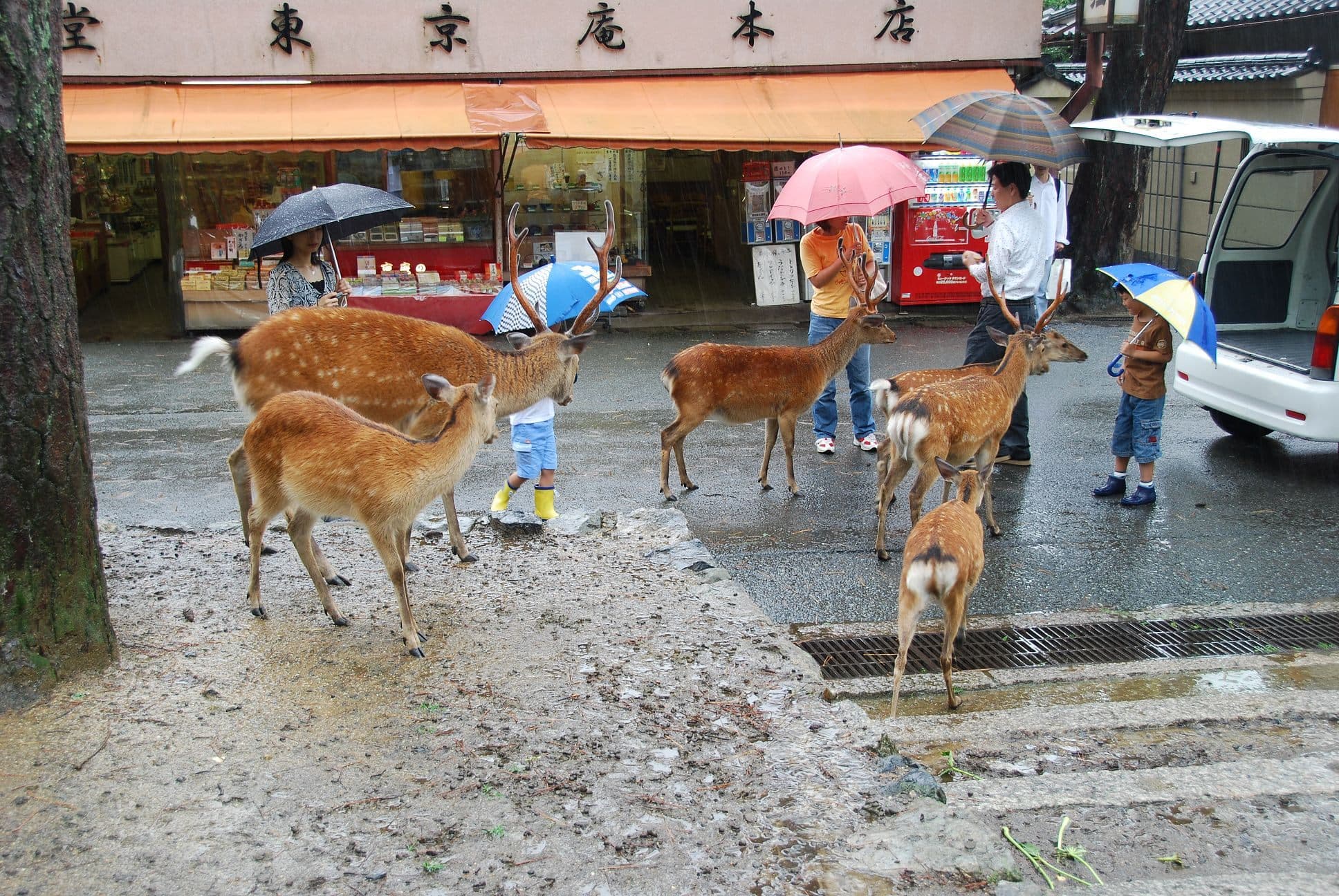
The heart of the prefecture is Nara City, home to UNESCO World Heritage sites such as Tōdai-ji, Kōfuku-ji, and Kasuga Taisha. These monuments are set within expansive parklands where sacred deer roam freely, reinforcing the city’s spiritual and timeless character. Compared to Kyoto, Nara feels calmer, more open, and easier to explore on foot.

Beyond the capital, Nara reveals a quieter, more rural side of Japan. Mountainous southern areas connect to the Kumano Kōdō pilgrimage routes, while villages, forests, and river valleys preserve traditional lifestyles. Sacred mountains such as Mount Yoshino are famed for cherry blossoms in spring and religious significance year-round.

Nara’s cuisine reflects its historical roots and rural setting, featuring kakinoha-zushi, miwa somen, traditional Japanese sweets, and seasonal mountain produce. Combined with temple lodgings, ryokan stays, and forest walks, Nara is best experienced slowly and thoughtfully.

Best for: history lovers, cultural travelers, spiritual seekers, photographers, and slow-travel enthusiasts.
Why go: Japan’s oldest temples, UNESCO sites, sacred forests, pilgrimage routes, seasonal beauty, and a calm alternative to Kyoto.

Seasonal Travel Tips

Spring (March–May)

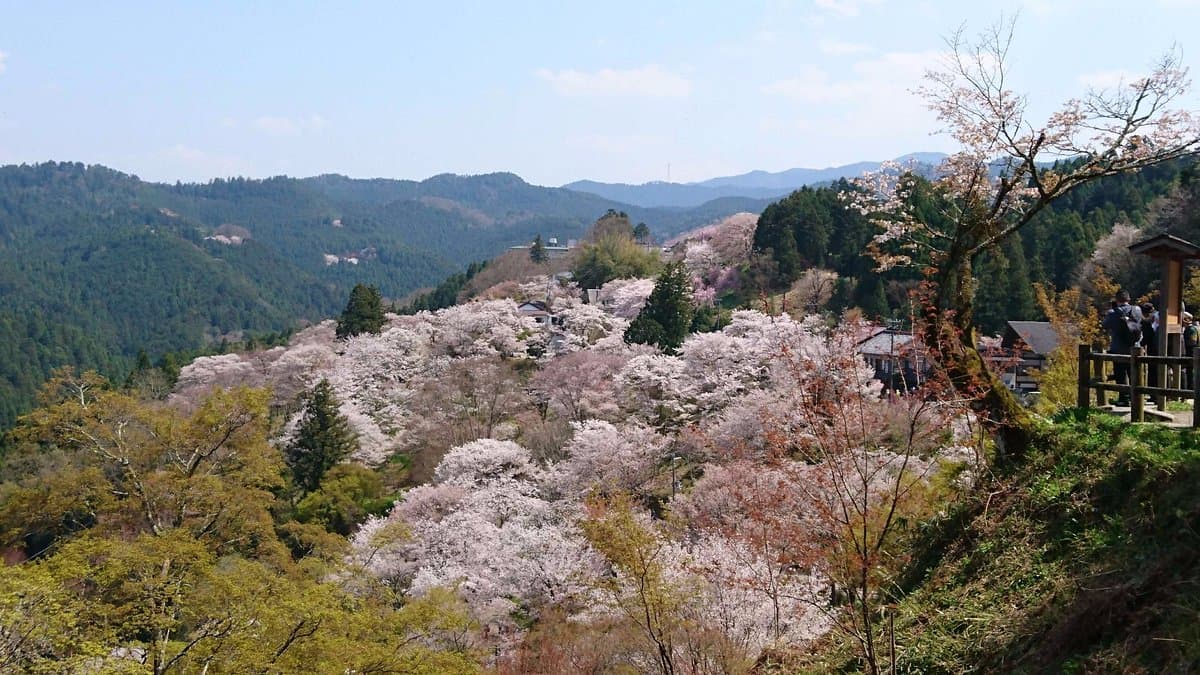
  • Cherry blossoms peak at Mount Yoshino, one of Japan’s most famous sakura sites.

  • Mild weather ideal for walking temples and parks.

  • Busy during peak blossom weeks — plan ahead.

Summer (June–August)

  • Hot and humid, but shaded temple grounds offer relief.

  • Festivals and evening walks around Nara Park.

  • Good time for mountain areas and rural villages.

Autumn (September–November)

  • Excellent foliage in temple gardens and mountain regions.

  • Comfortable temperatures and fewer crowds than spring.

  • Ideal for photography and pilgrimage routes.

Winter (December–February)

  • Cool, quiet, and atmospheric temple visits.

  • Light snowfall occasionally enhances historic scenery.

  • Minimal crowds outside holidays.

Attractions

All 45 →
Koyasan Okunoin

Attraction

Koyasan Okunoin

Koyasan Okunoin

A+

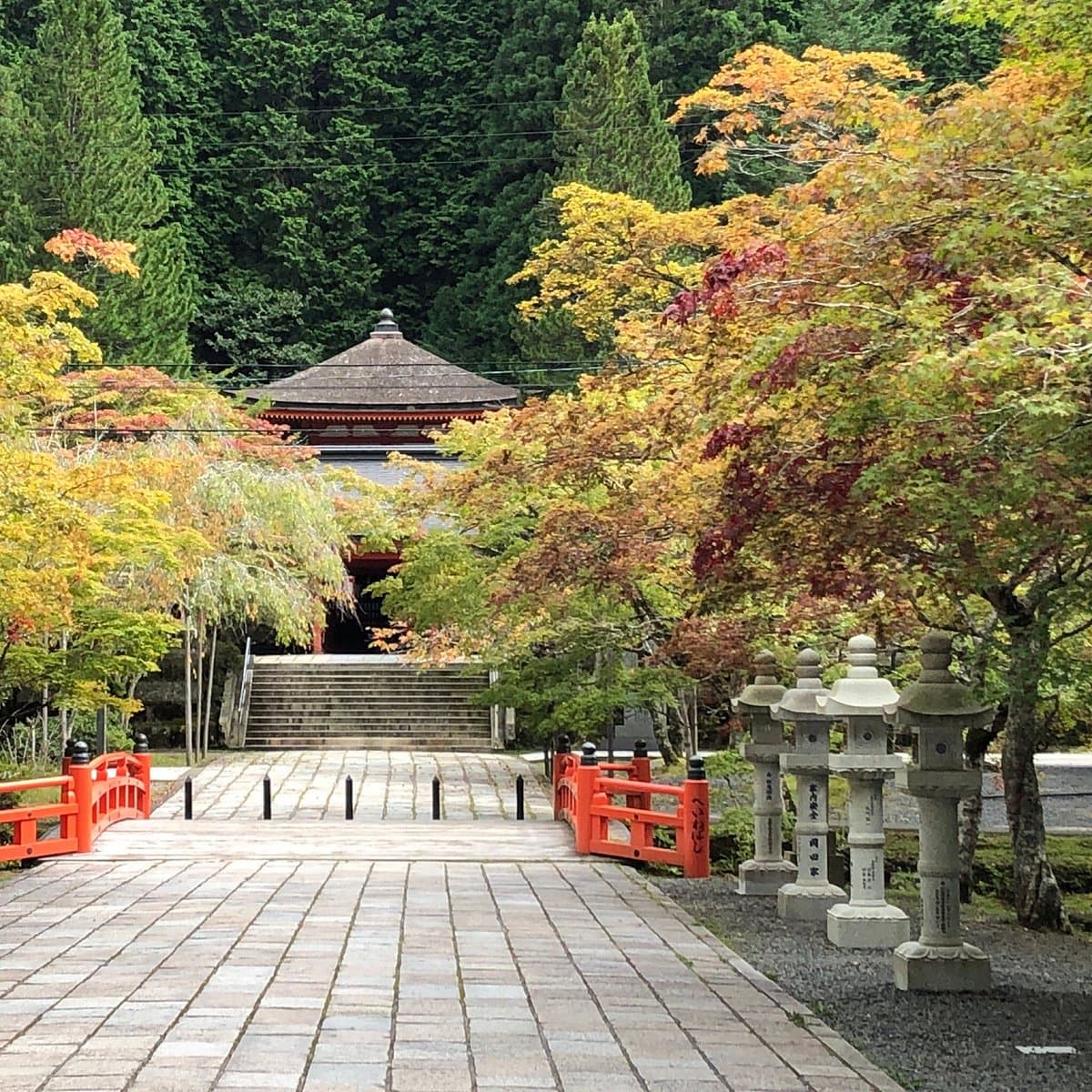
Koyasan Okunoin offers a profoundly spiritual and visually stunning experience, inviting visitors to wander through Japan's largest and most ancient cemetery. Nestled amidst towering cedar trees and moss-covered gravestones, it leads to the revered mausoleum of Kobo Daishi, providing a unique blend of history, nature, and tranquility.

Mt. Yoshino

Attraction

Mt. Yoshino

Mt. Yoshino

A

Mt. Yoshino is renowned as Japan's most famous cherry blossom viewing spot, with thousands of trees blanketing the mountainside in various shades of pink. Visitors consistently praise the breathtaking panoramic views and the unique experience of seeing cherry blossoms across multiple elevations. Beyond sakura, it offers a serene escape with temples, shrines, and hiking trails.

Parks

All 1 →
Ikoma Sanjo Amusement Park

Park

Ikoma Sanjo Amusement Park

Ikoma Sanjo Amusement Park · 生駒山上遊園地 · Ikoma Sanjō Yūen Chi

B+

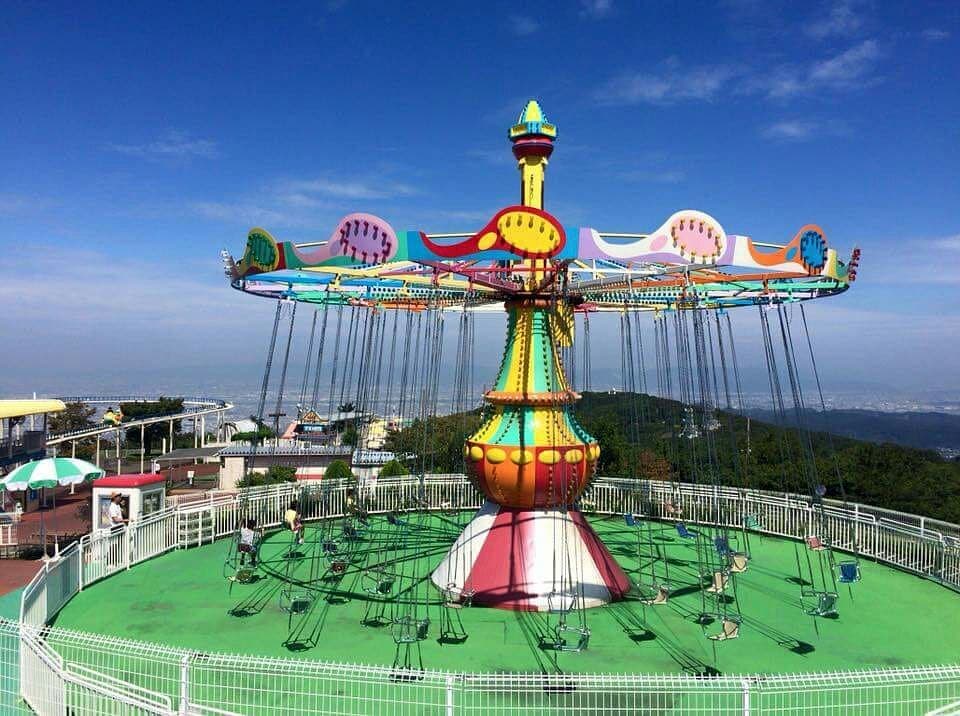
Perched atop Mount Ikoma, this amusement park offers stunning panoramic views of the Osaka Plains and Nara Basin, making it a popular spot for both daytime sightseeing and evening city lights. While its rides are primarily geared towards younger children, the free admission to the park grounds and the scenic cable car journey make it an appealing destination for a relaxed outing.

Cities

All 1 →
Nara-shi

City

Nara-shi

Nara-shi · 奈良市 · Nara-shi

A

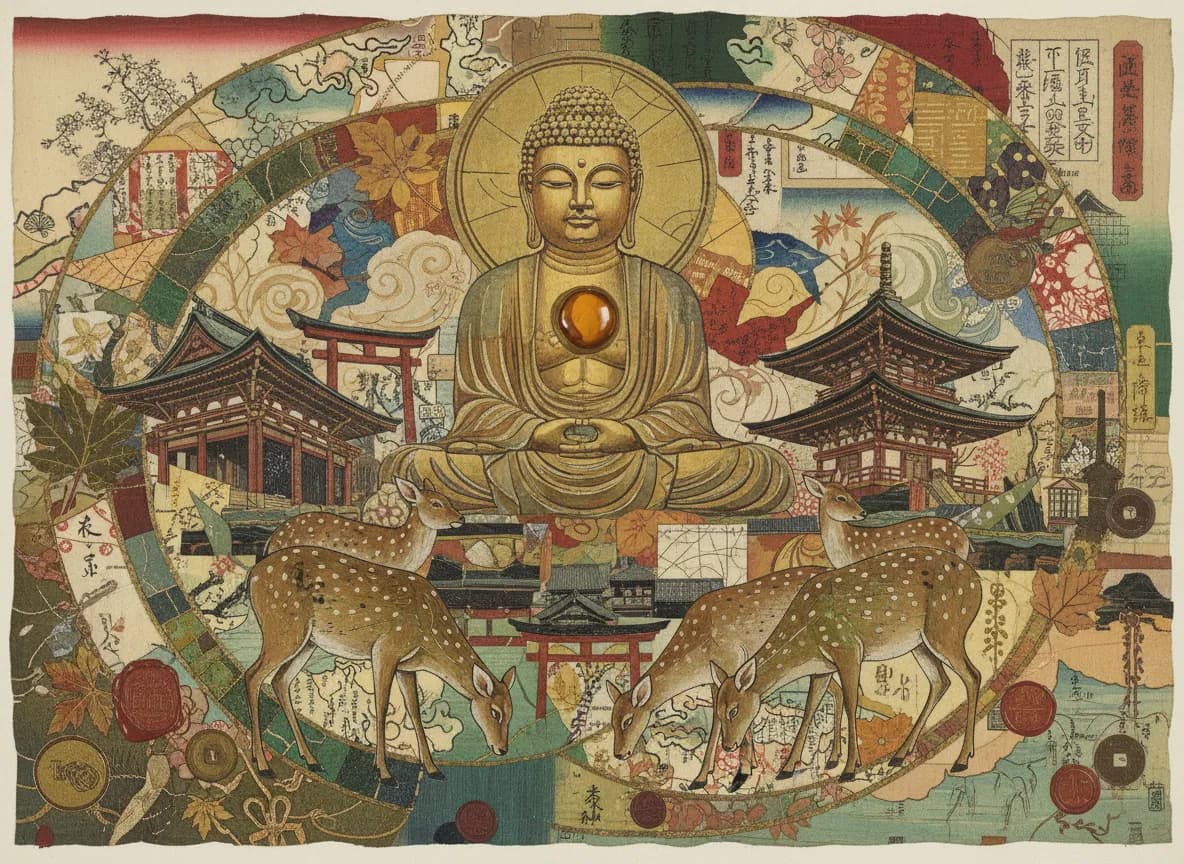
Nara, Japan's first permanent capital, dazzles with Todai-ji's giant Buddha, sacred deer, and some of the country's oldest temples.