Attractions — Tokyo Metropolis
Attraction
Gold Bug Guardian Statue
Gold Bug Guardian Statue
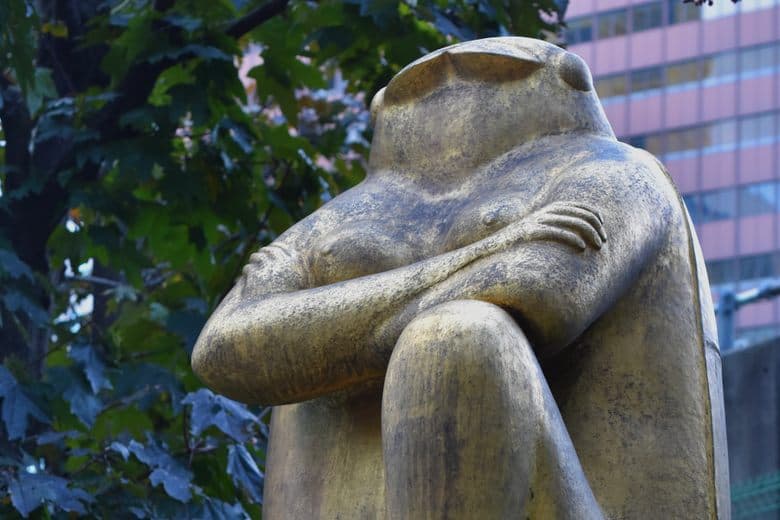
The Gold Bug Guardian Statue in Chiyoda City is an enigmatic golden sculpture, often described as a cross between a human and an insect. Donated in 1991, its unusual appearance and unpronounceable name make it a curious, if minor, urban landmark that sparks debate and amusement among passersby.

Attraction
Hachiman Bridge
Hachiman Bridge
Hachiman Bridge, originally known as Danjo Bridge, holds the distinction of being Japan's oldest iron bridge. Relocated and repurposed, it now stands as a historical monument over a pedestrian path in the Fukagawa area, offering a glimpse into Japan's early Westernization.
Attraction
Hanashi Zuka (Grave of Censored Stories)
Hanashi Zuka (Grave of Censored Stories)
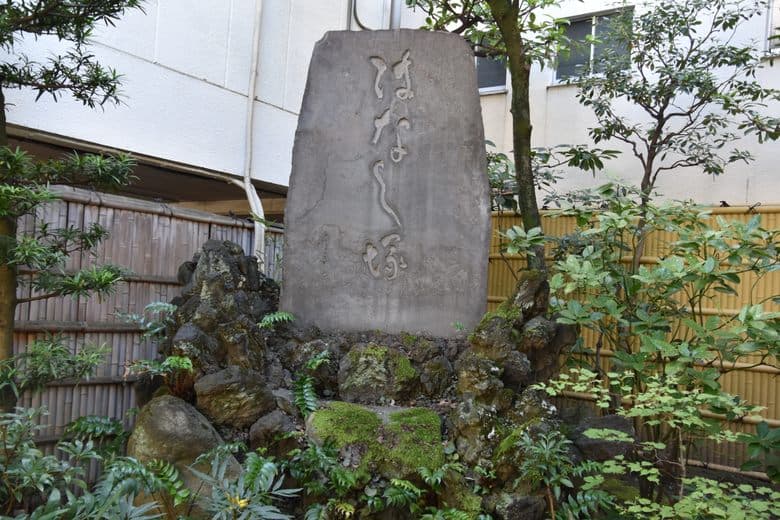
Hanashi Zuka, or the "Grave of Censored Stories," is a unique memorial at Honpō-ji Temple in Tokyo, commemorating 53 rakugo stories banned during World War II. It serves as a quiet reminder of artistic freedom and historical censorship, offering a brief, contemplative stop for those interested in Japanese cultural history.

Attraction
Horoku Inari Shrine
Horoku Inari Shrine
Horoku Inari Shrine is a small, unassuming roadside shrine in Shinjuku, Tokyo, known for its unique tradition of collecting losing lottery tickets. Visitors can witness or participate in this quirky ritual, hoping for better luck, and see the distinctive 'bunny-fox' statues.
Attraction
Honeybee Drinking Fountain
Honeybee Drinking Fountain
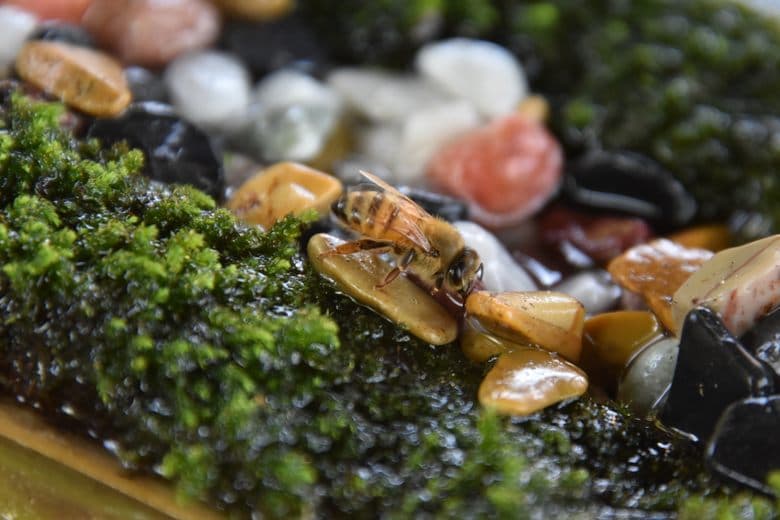
The Honeybee Drinking Fountain at Hitokotonushi Shrine is a small, seasonal installation designed to provide water for bees and wasps during the summer months. Visitors find it a surprisingly heartwarming and unique sight, showcasing a thoughtful gesture towards nature within a traditional shrine setting.

Attraction
Ikkoku Bridge Stone Marker for Lost Children
Ikkoku Bridge Stone Marker for Lost Children
The Ikkoku Bridge Stone Marker for Lost Children is a small, historical monument from the Edo period, offering a poignant insight into how lost children were reunited with their families in a bustling, pre-modern Tokyo. It serves as a bulletin board where parents posted descriptions and found children were announced.
Attraction
Inari Soba Mansei
Inari Soba Mansei
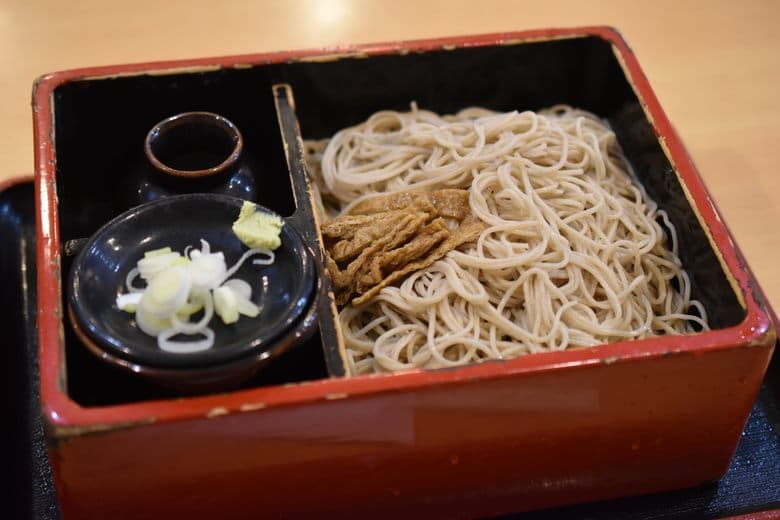
Inari Soba Mansei is a small, unassuming noodle shop in Tokyo's Koishikawa district, notable for its alleged 400-year history and connection to a local fox-monk legend. Visitors can experience a traditional, local soba meal, including the special 'hakosoba' with fried tofu, believed to be a favorite of foxes.
Attraction
Ishikawa Island Lighthouse
Ishikawa Island Lighthouse
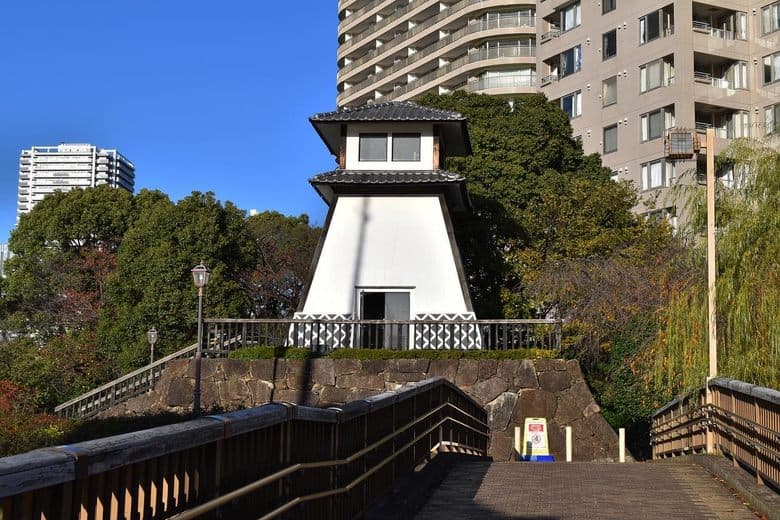
The Ishikawa Island Lighthouse is a unique monument in Tokyo's historic Tsukuda district, commemorating a 19th-century lighthouse. While appearing as a quaint historical structure, it surprisingly houses a public restroom, offering a blend of history and modern utility.
Attraction
Mujinazuka at Kenshō-ji
Mujinazuka at Kenshō-ji
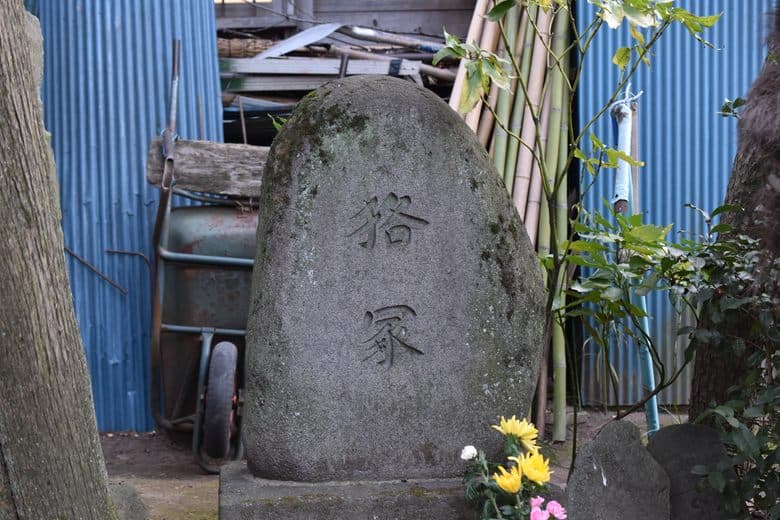
Mujinazuka at Kenshō-ji is a unique grave site dedicated to a tanuki, a supernatural raccoon dog, believed to be the phantom train of an old urban legend. Visitors can find this historical monument within the temple grounds, offering a glimpse into Japan's blend of folklore and early industrialization.
Attraction
Obake Kaidan
Obake Kaidan
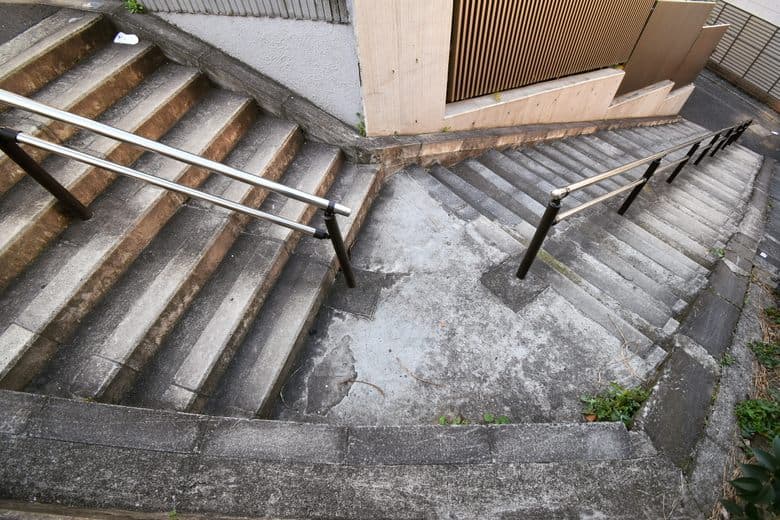
The Obake Kaidan, or "Ghost Stairs," in Tokyo's Nezu district is known for its peculiar feature: 40 steps going up, but seemingly only 39 coming down. This architectural oddity, rooted in a cleverly disguised first step, offers a brief, intriguing stop for those exploring local legends.
Attraction
Oiwa Inari Shrines
Oiwa Inari Shrines
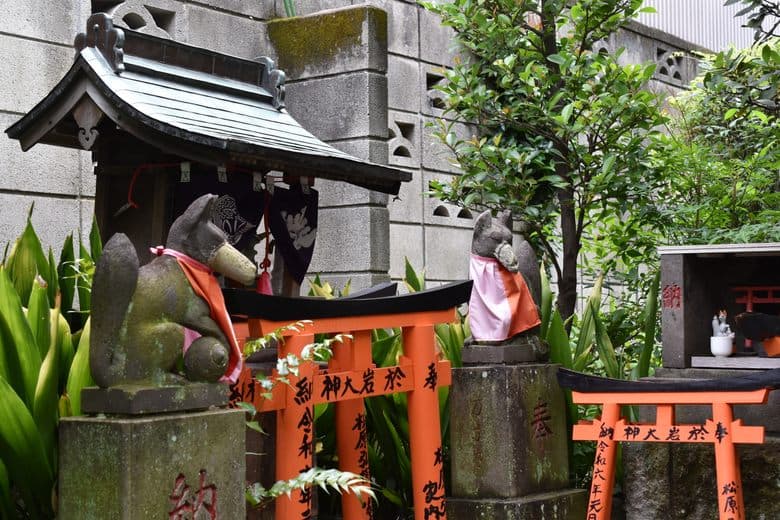
The Oiwa Inari Shrines in Tokyo offer a unique glimpse into one of Japan's most famous ghost stories, Yotsuya Kaidan. These two rival shrines, dedicated to the vengeful ghost Lady Oiwa, stand almost opposite each other, each claiming authenticity to her legend. They appeal to visitors fascinated by folklore and the supernatural.
Attraction
Ōmori Nori Vending Machine
Ōmori Nori Vending Machine
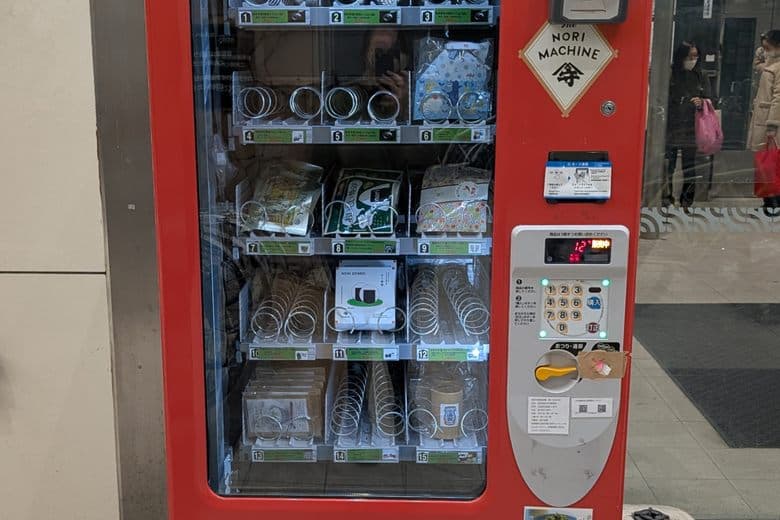
Tucked away in a shopping mall, the Ōmori Nori Vending Machine offers a unique glimpse into Japan's culinary heritage, specifically the beloved seaweed, nori. Visitors can purchase various nori-based products, from seasoned sheets to crackers, celebrating Ōmori's historical connection to nori processing.
Attraction
Azabu-Jūban Smile Monuments
Azabu-Jūban Smile Monuments
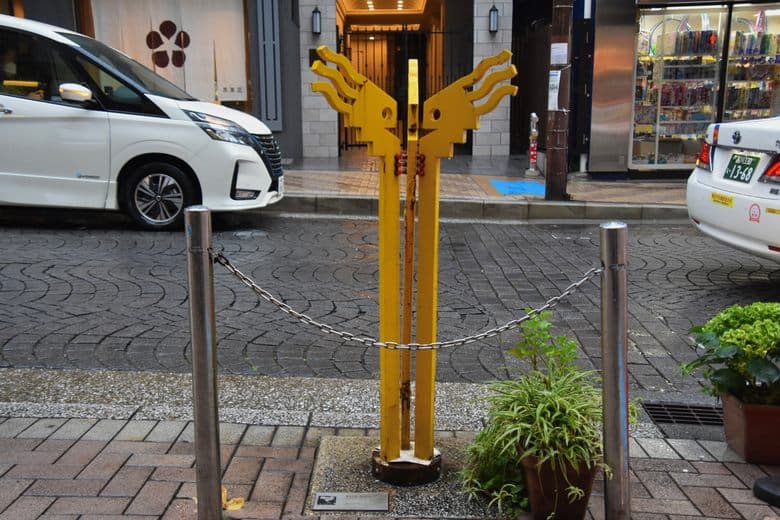
The Azabu-Jūban Smile Monuments are a series of unique public sculptures, created by artists worldwide, that dot the upscale Azabu-Jūban shopping district in Tokyo. These artworks, ranging from abstract to figurative, offer a pleasant diversion for shoppers and art lovers exploring the area, reflecting the district's international character.

Attraction
R.T.O. Relief
R.T.O. Relief
The R.T.O. Relief is a historical relief map located within Tokyo Station, a remnant from the Allied occupation era. While often overlooked, it offers a glimpse into Japan's post-war history, depicting iconic landmarks with Roman alphabet labels, and is appreciated by those with an interest in unique historical details.
Attraction
Shibarare Jizoson
Shibarare Jizoson
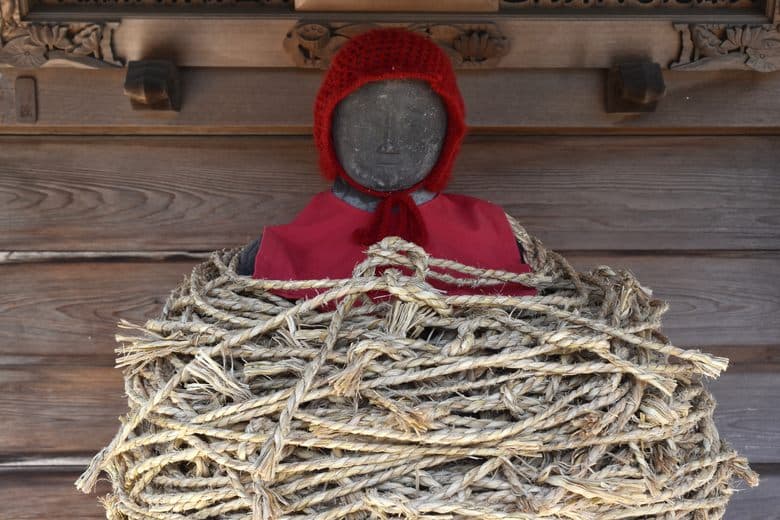
Shibarare Jizoson is a unique Jizo statue at Nanzoin Temple, known for its unusual tradition of being tied with ropes by visitors seeking wishes or protection. This quirky historical site offers a glimpse into local folklore and a distinctive form of worship.
Attraction
Shin-Nishiarai Octopus Slide
Shin-Nishiarai Octopus Slide
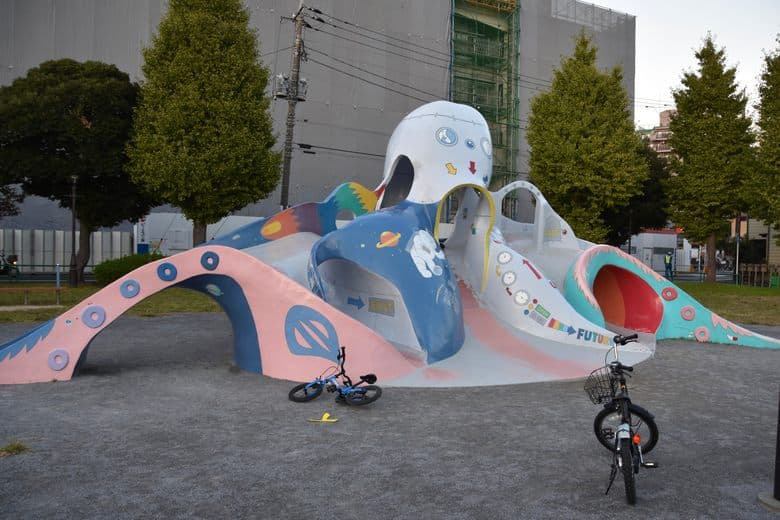
The Shin-Nishiarai Octopus Slide is a historical playground fixture in Tokyo, notable for being one of the earliest and longest-standing examples of the iconic 'octopus mountain' slides found across Japan. While primarily a local park attraction, it holds a unique place in design history for its whimsical form and influence on playground aesthetics.

Attraction
Shoden Island
Shoden Island
Shoden Island is a tiny, rarely accessible island located within Shinobazu Pond in Ueno Park, Tokyo. It's notable for its historical significance as the original intended site for Benten-dō temple and for its unique opening schedule, only accessible on the 'Day of the Snake' every 12 days.
Attraction
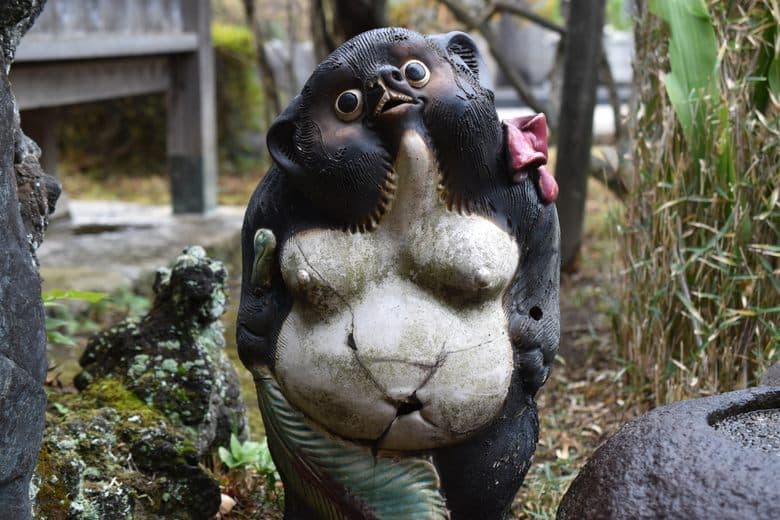
Tamon-ji (Tanuki Temple)
Tamon-ji (Tanuki Temple)
Tamon-ji, also known as the 'Tanuki Temple,' offers a glimpse into Tokyo's past with its rare Edo-period gate and artifacts from the World War II bombings. Visitors can explore its tranquil grounds and learn about the local legend of shapeshifting raccoon dogs.
Attraction
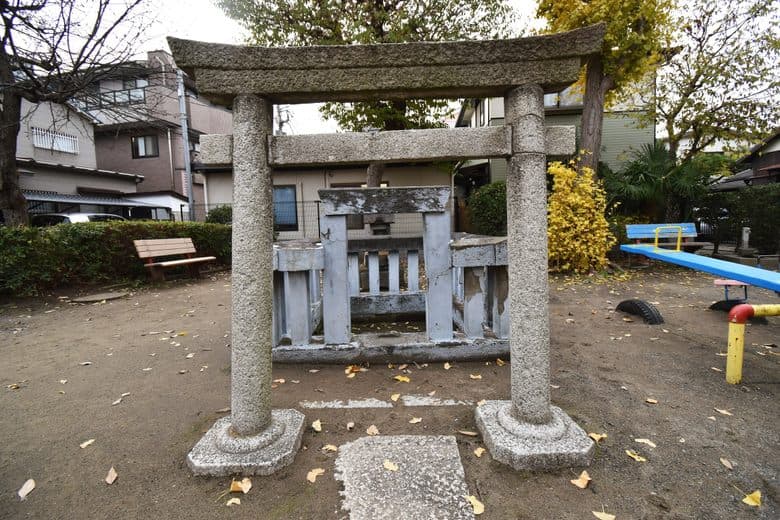
Tateishi-sama
Tateishi-sama
Tateishi-sama is a tiny, historically significant standing stone located within a children's park in Tokyo. Once a revered and feared object, it has shrunk significantly over centuries due to ground subsidence and local worshippers chipping away pieces for healing and protection. Today, it remains a site of local offerings, offering a glimpse into ancient Japanese folk beliefs.
Attraction
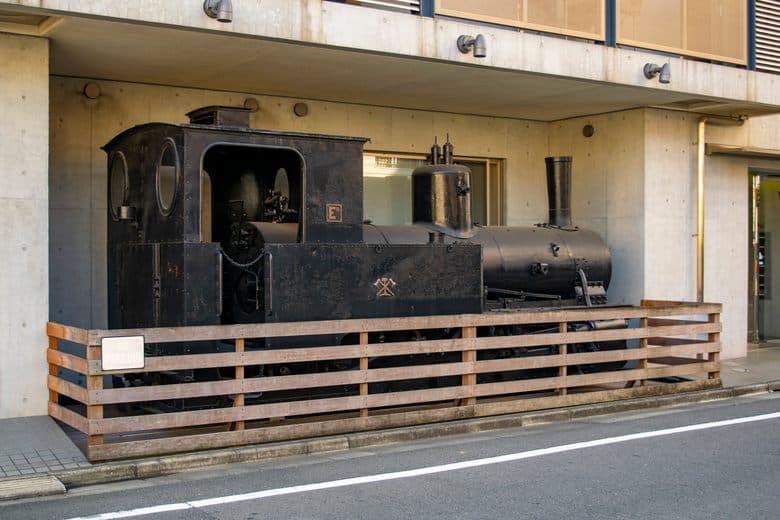
E18 War Train
E18 War Train
The E18 War Train is a historic narrow-gauge steam engine, once used by the Japanese Army, now quietly displayed under an apartment building in a residential Tokyo neighborhood. Visitors appreciate its unique location and historical significance, offering a glimpse into a lesser-known aspect of wartime logistics.