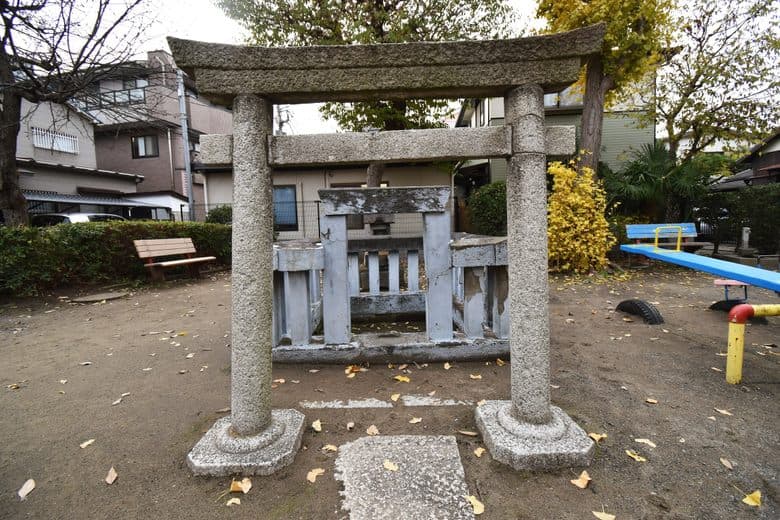
Tateishi-sama, meaning "standing stone," is a unique historical artifact nestled within a children's playground in the Tateishi neighborhood of Tokyo. This small stone, made of Bōshū-ishi tuff, is believed to have been brought from Mount Nokogiri and was once a prominent, worshipped object, even serving as a signpost during the Edo period. Its significance lies in its deep roots in local folklore and ancient Japanese beliefs, representing a tangible link to a past where natural objects held spiritual power.
Visitors consistently note the stone's surprisingly small size, often expressing wonder at its rich history despite its current appearance. Many are fascinated by the legends surrounding it, such as the belief that digging into its "roots" caused disasters, or that its fragments offered healing and protection. While not a visually grand attraction, its historical narrative and the ongoing local practice of leaving offerings like coins and food provide a unique cultural experience.
To fully appreciate Tateishi-sama, allocate about 15-30 minutes for your visit. It's best visited during daylight hours to clearly see the stone and its small shrine. There are no specific items to bring, but an open mind for local history and folklore will enhance the experience. Since it's located in a park, it's a pleasant spot for a brief, reflective stop.
Tateishi-sama is conveniently located within a 10-minute walk from either Keisei Tateishi Station or Aoto Station. Both stations are accessible via the Keisei Oshiage Line, making it easy to reach by public transport from central Tokyo. Once you exit the station, follow signs or use a map application to navigate to Tateishi Children's Playground. The stone is situated within a tiny shrine inside the park.
A common observation is that the stone's diminutive size can be underwhelming for those expecting a grand monument. To mitigate this, approach the visit with an understanding of its historical context rather than its physical presence. Its value lies in its story and its enduring role in local tradition, not in its scale.