Attractions — Kyoto Prefecture
Attraction
Toji
Toji
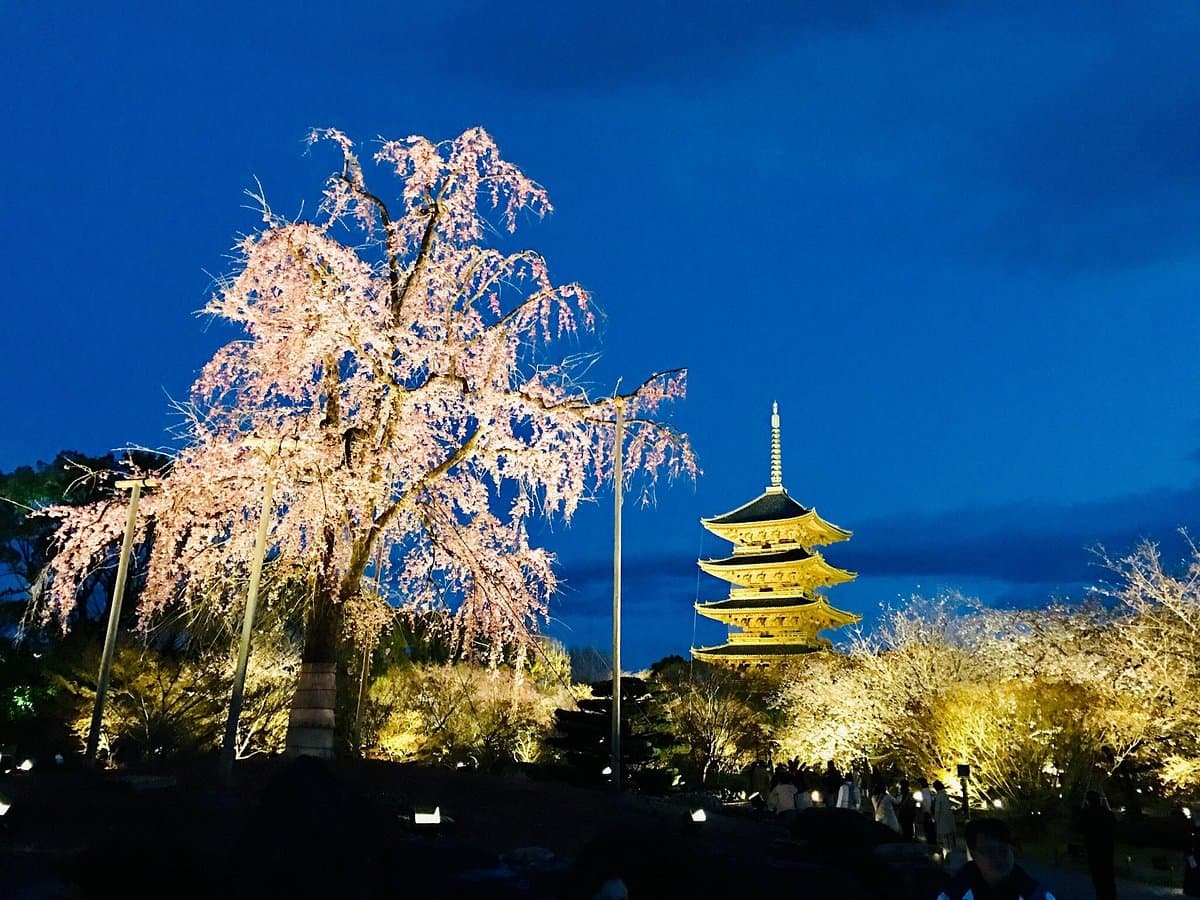
Toji Temple, a UNESCO World Heritage site, is home to Japan's tallest wooden pagoda and a collection of awe-inspiring Buddhist statues. Visitors consistently praise its serene atmosphere, beautiful gardens, and the unique experience of its seasonal night illuminations, making it a captivating stop in Kyoto.
Attraction
Amanohashidate
Amanohashidate · Аманохасидатэ · Amanohashidate
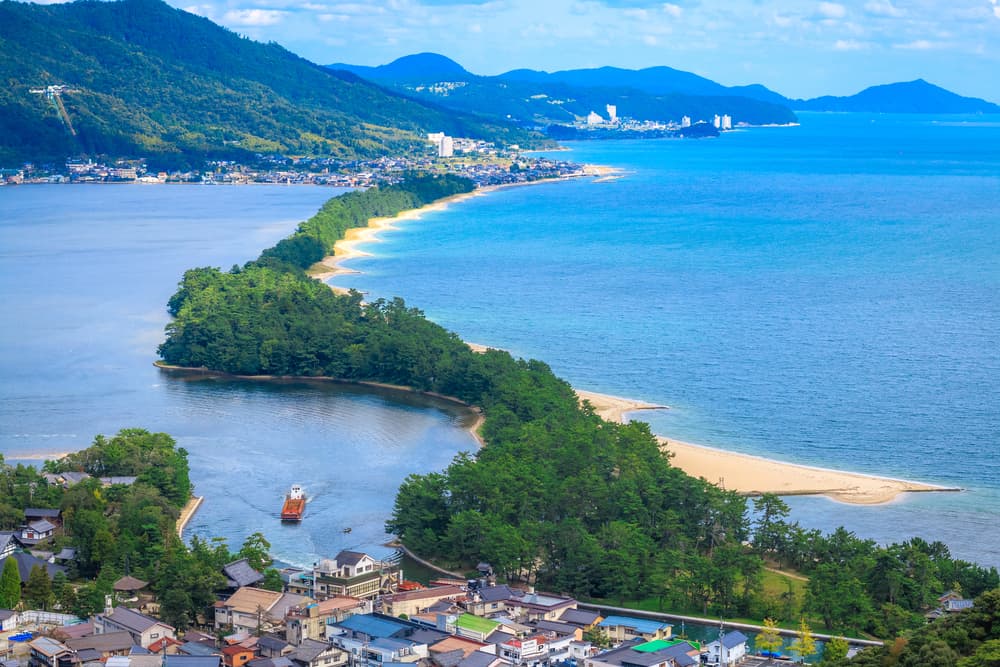
Amanohashidate, one of Japan's 'Three Scenic Views,' is a stunning natural sandbar covered in thousands of pine trees, resembling a bridge to heaven. Visitors can enjoy panoramic views from observation decks, walk or cycle across the sandbar, and even experience the unique 'matanozoki' pose for a dragon-like perspective.
Attraction
Heian-jingū Shrine
Heian-jingū Shrine · 平安神宮 · Heian Jingū
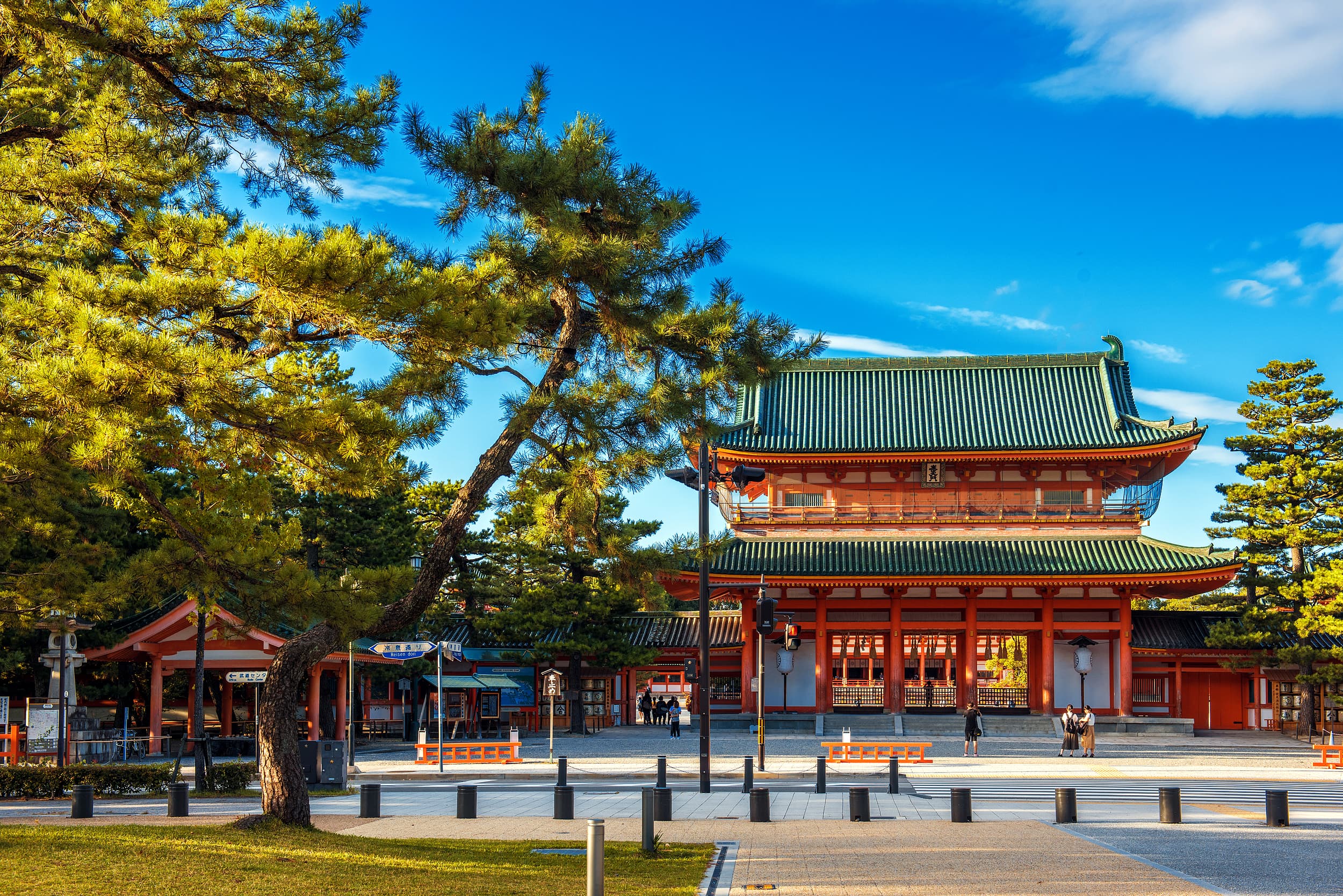
Heian-jingū Shrine, with its striking vermilion architecture and expansive grounds, offers a distinct experience in Kyoto. While the main shrine area is impressive and free to enter, the true highlight for many visitors is the meticulously maintained Shinen Garden, renowned for its seasonal flowers, tranquil ponds, and traditional bridges, offering a peaceful escape from the city's bustle.
Attraction
Amanohashidate Viewland
Amanohashidate Viewland · 天橋立ビューランド · Amanohashidate Byūrando
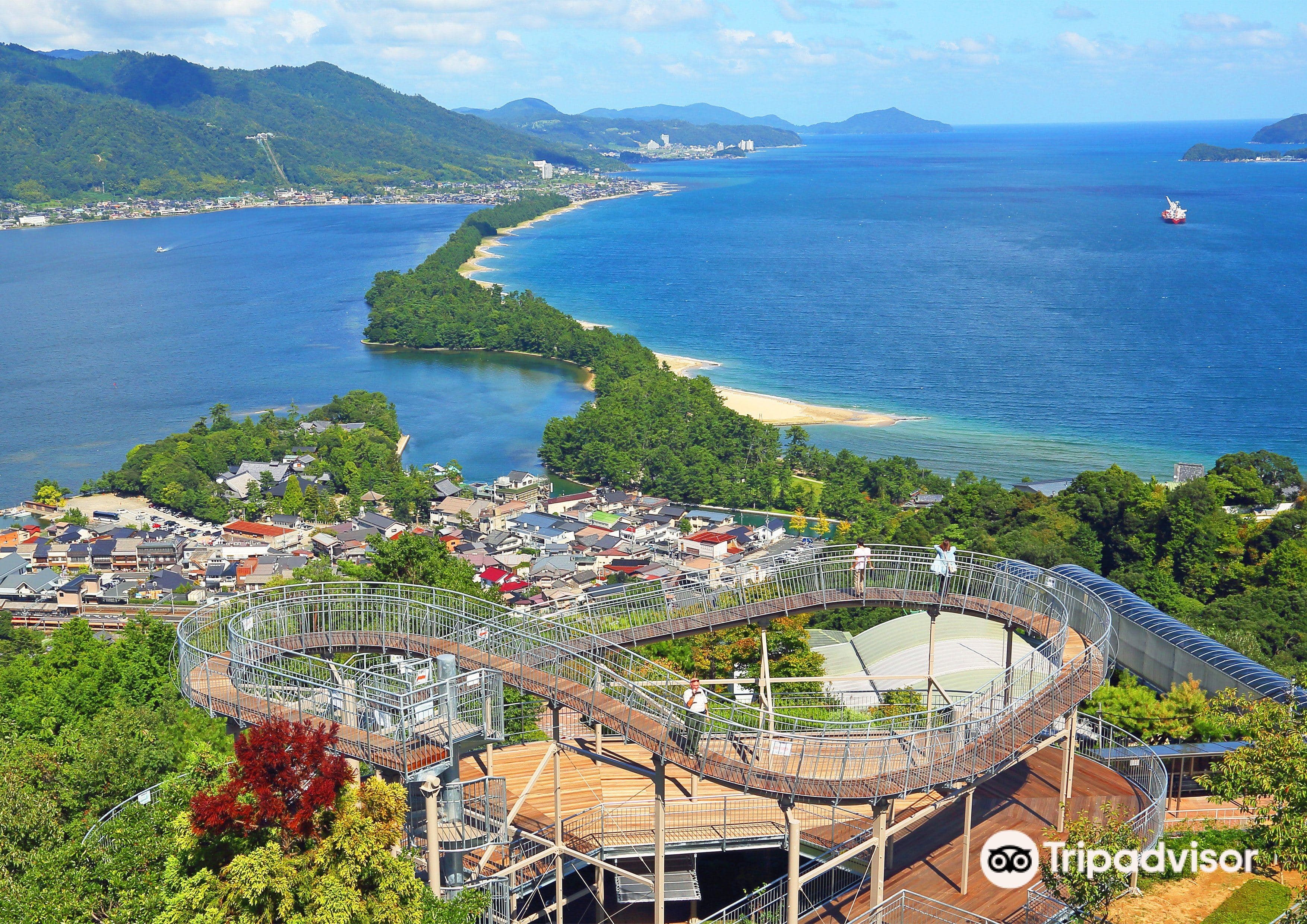
Amanohashidate Viewland offers a breathtaking panoramic view of the famous Amanohashidate sandbar, often described as a 'dragon flying in the sky.' Visitors can reach the summit via a scenic chairlift or monorail, enjoying not only the iconic landscape but also a small park with family-friendly activities.
Attraction
Kifune Shrine
Kifune Shrine · 貴船神社 · Kibune Jinja
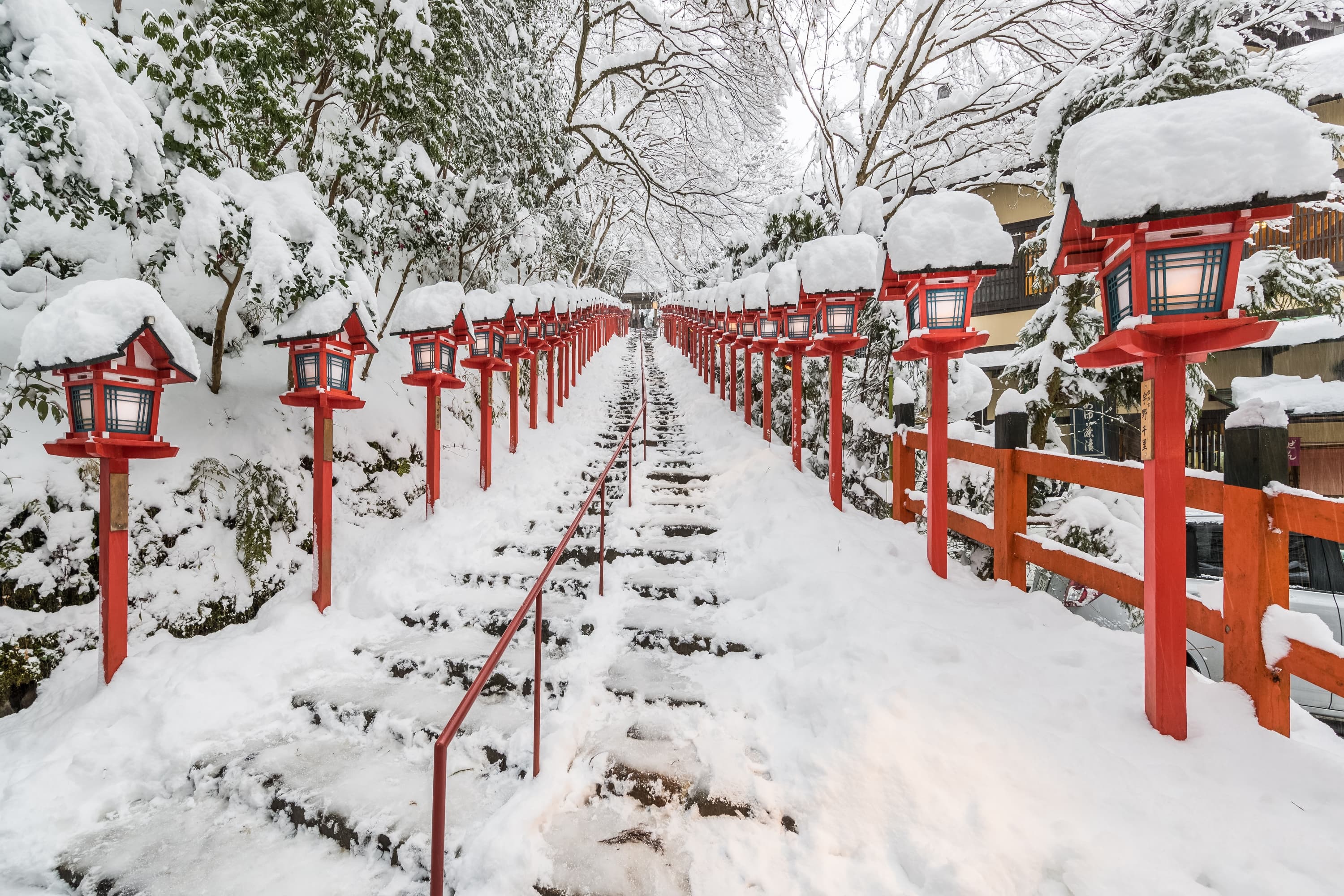
Nestled in a serene mountain gorge, Kifune Shrine offers a tranquil escape from Kyoto's bustling city center, dedicated to the god of water and renowned for its picturesque stone steps lined with vermilion lanterns. Visitors are drawn to its spiritual atmosphere, unique water divination, and the stunning seasonal scenery, especially during autumn leaves and winter snow.

Attraction
mipig cafe Kyoto
mipig cafe Kyoto
Mipig Cafe Kyoto provides a delightful and unique opportunity to interact with adorable micro pigs in a clean and friendly environment. Visitors consistently praise the pigs' cuteness and affectionate nature, often falling asleep on laps, making for a relaxing and memorable experience for all ages.
Attraction
Murin-an
Murin-an · 無鄰菴 · Mu 鄰 菴
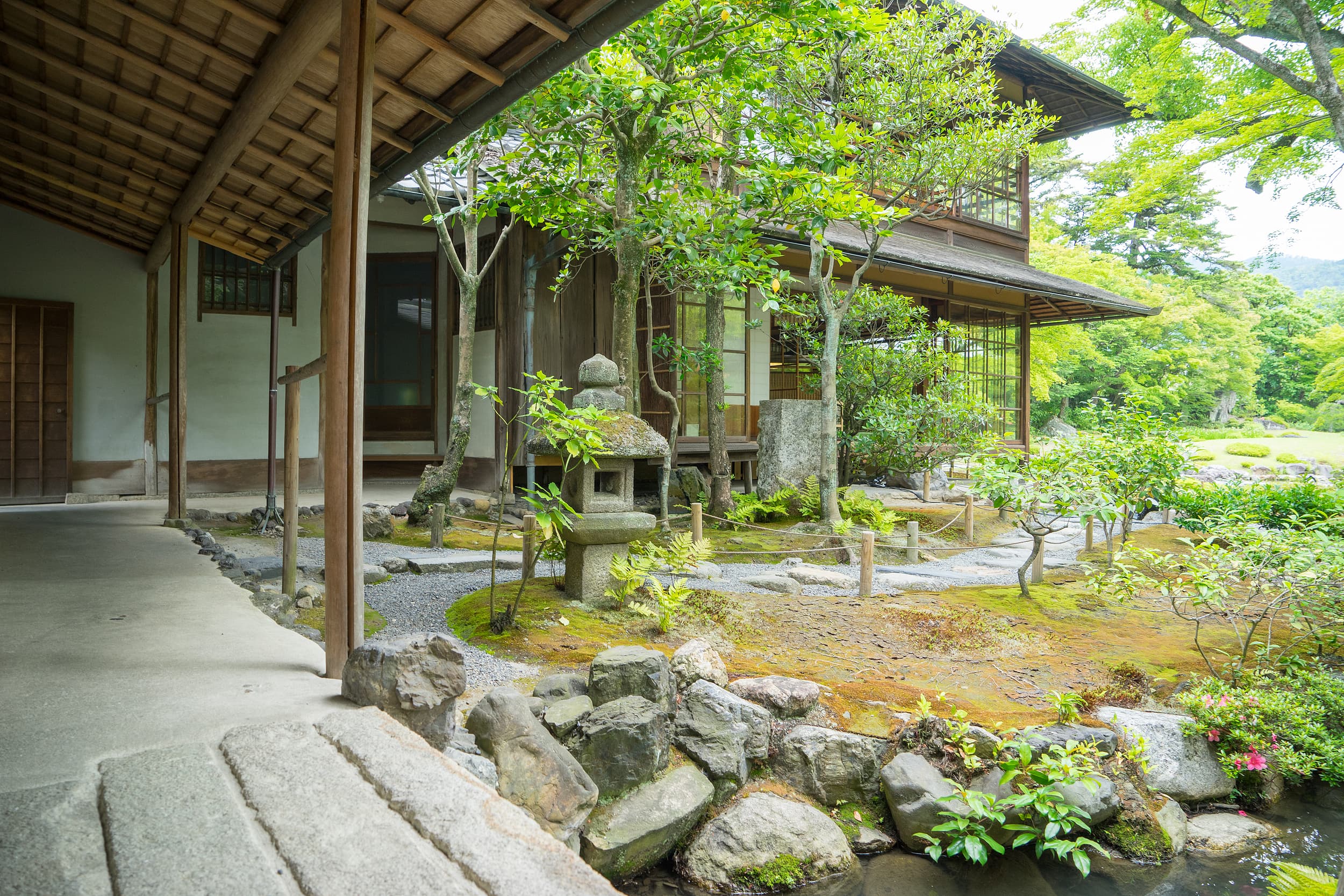
Murin-an offers a serene escape in Kyoto, showcasing a unique blend of traditional Japanese and Western garden design. Visitors praise its tranquil atmosphere, beautiful seasonal foliage, and the refreshing sound of its flowing stream. It's an ideal spot for quiet contemplation and appreciating innovative landscaping.
Attraction
Ninen-zaka
Ninen-zaka · 二寧坂 (二年坂) · Ni Yasushi Zaka ( Ni Nen Zaka )
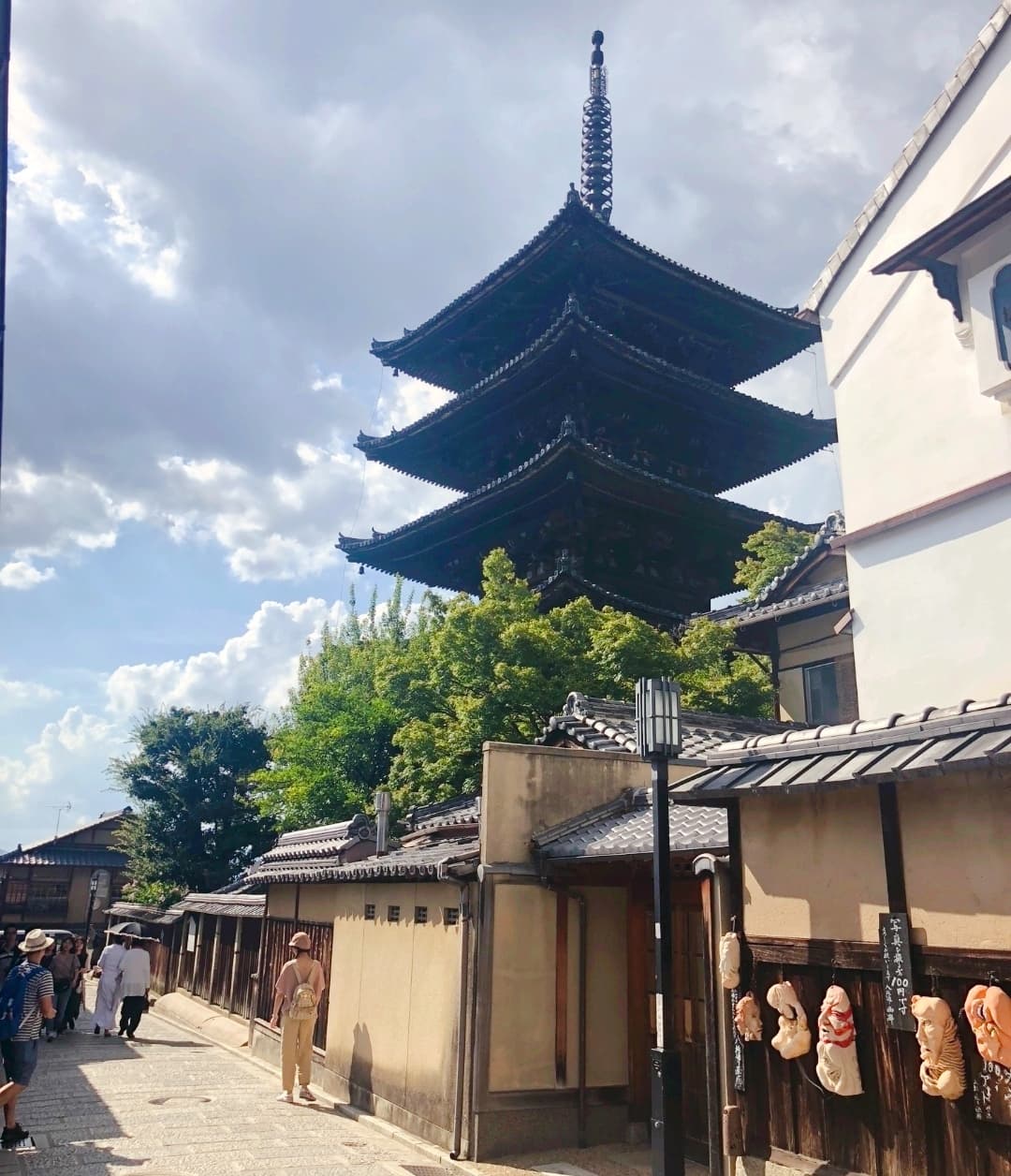
Ninen-zaka is a picturesque, stone-paved street in Kyoto, renowned for its traditional machiya houses and charming shops. Visitors consistently praise its historic ambiance and scenic beauty, though it can become very crowded, especially later in the day.
Attraction
Philosopher's Path
Philosopher's Path · Философская тропа · Философская тропа
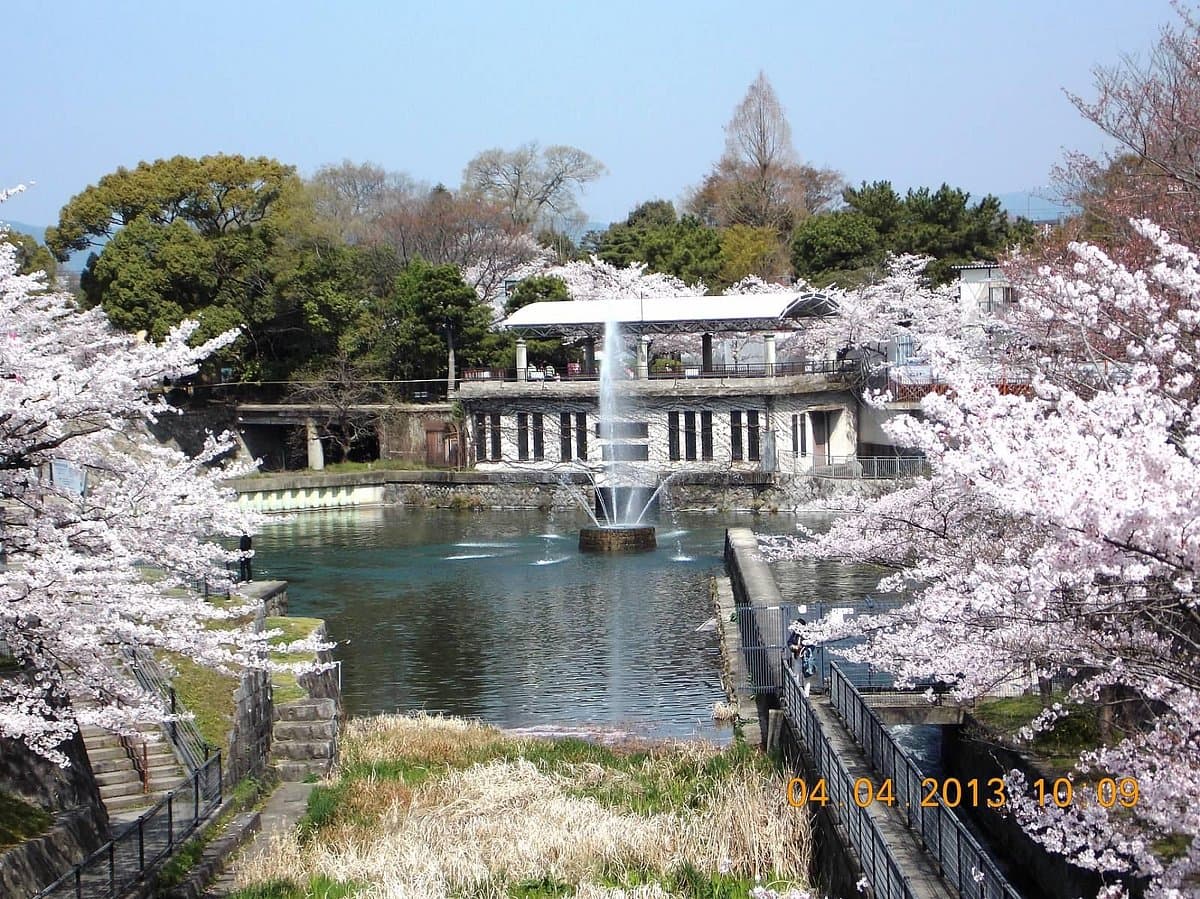
Philosopher's Walk is a peaceful 2-2.5 km canal-side path in northeastern Kyoto, famous for cherry blossoms in spring and autumn foliage. The tree-lined walkway connects temples and passes small shops, cafes, and residential neighborhoods, offering a quieter alternative to crowded tourist sites. Its appeal varies dramatically by season: stunning during sakura bloom but relatively unremarkable in winter or summer.
Attraction
Hot Springs (Onsen)
Hot Springs (Onsen) · Горячие источники · Kurama Onsen
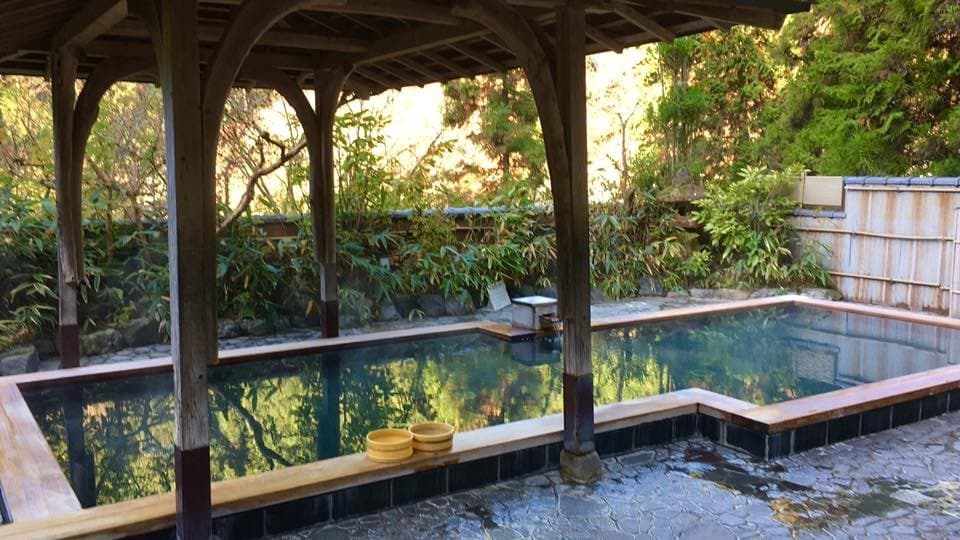
Nestled in the scenic mountains north of Kyoto, Kurama Onsen offers a tranquil escape with its natural sulfur hot springs. Visitors can enjoy open-air baths with stunning mountain views, making it an ideal spot to relax after exploring the nearby Kurama Temple or hiking trails.
Attraction
Mount Hiei
Mount Hiei · Гора Хиэй · Hieizan
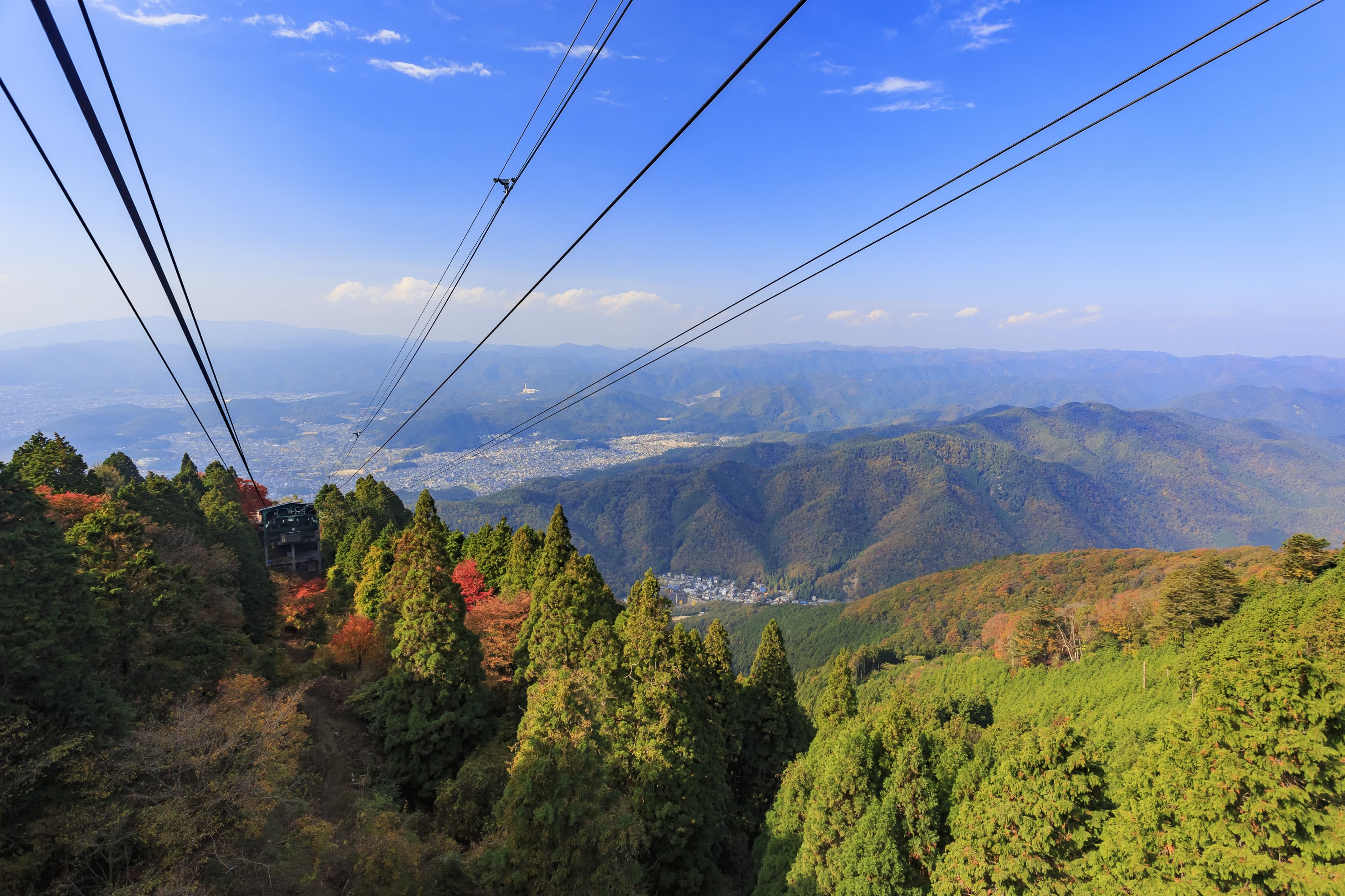
Mount Hiei, home to the UNESCO World Heritage site Enryaku-ji Temple, offers a serene escape from Kyoto's bustling center. Visitors praise its stunning panoramic views of Lake Biwa and Kyoto, the historical depth of its Buddhist temples, and the refreshing natural environment, particularly beautiful during autumn foliage.
Attraction
Yasaka Shrine
Yasaka Shrine · Храм Ясака · Yasui Kompira Miya
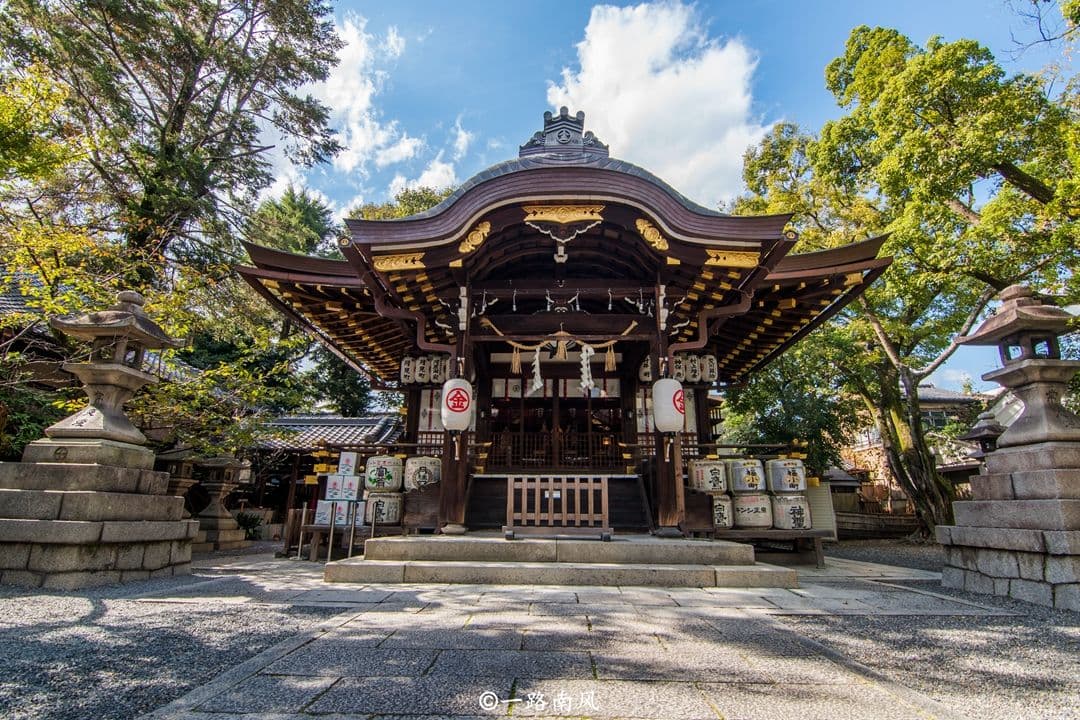
Yasui Kompiragū Shrine is famous for its unique 'Enkiri-Enmusubi' stone, where visitors crawl through a small hole to sever bad relationships or strengthen good ones. Covered in countless wish-filled papers, this shrine offers a memorable and often amusing cultural experience, particularly popular with those seeking a fresh start or stronger bonds.
Attraction
Shimogamo Shrine
Shimogamo Shrine · 下鴨神社 · Shimogamojinja
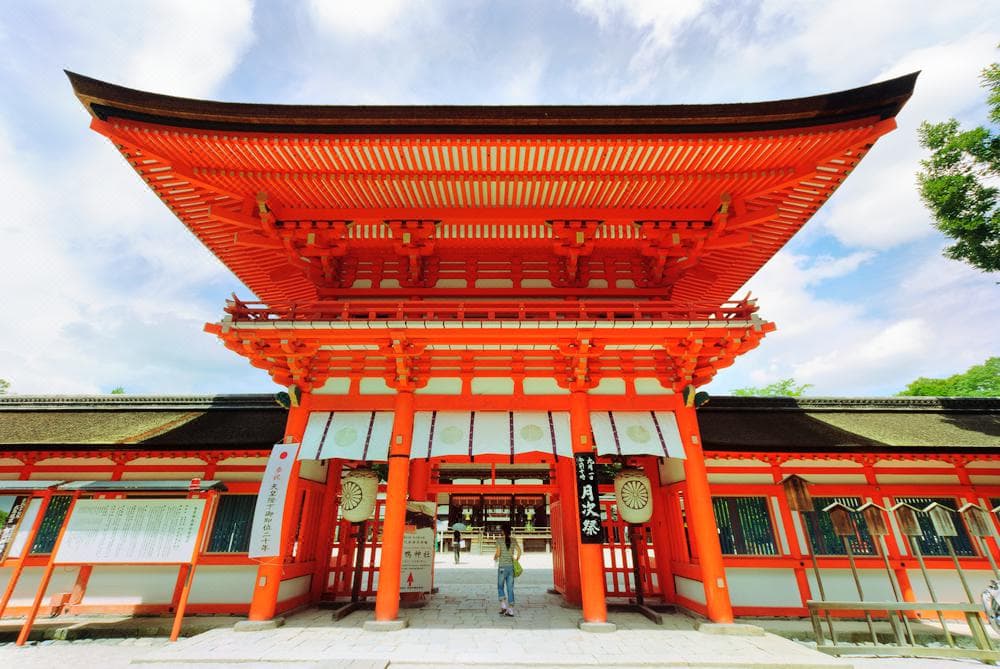
Shimogamo Shrine, a UNESCO World Heritage site, offers a peaceful retreat with its ancient forest, Tadasu no Mori, and traditional architecture. Visitors appreciate its serene atmosphere, often less crowded than other Kyoto attractions, making it ideal for a contemplative stroll and experiencing authentic Japanese spiritual traditions.
Attraction
Kyoto Imperial Palace
Kyoto Imperial Palace · Императорский дворец · Императорский дворец
The Imperial Palace was the residence of the Japanese imperial family until 1868, when the emperor moved the capital from Kyoto to Tokyo. It is located in the spacious Imperial Park in the city center, which also includes the Sento Palace (used by retired emperors) and several other sights. The park, measuring about 1300 × 700 metres, is also a recreational area for tourists and locals, with wide gravel paths, lawns and groves; by the Konoe pond in the park’s northwest corner there are several weeping cherry trees that typically bloom for two to three weeks from late March to mid-April. Visits to the palace require signing up for a free guided tour (available in English) at the palace park administration — it’s best to come in the morning or book in advance.
Attraction
Samurai and Ninja Museum
Samurai and Ninja Museum · Музей самураев и ниндзя · Samurai Ninja Taiken Myūjiamu
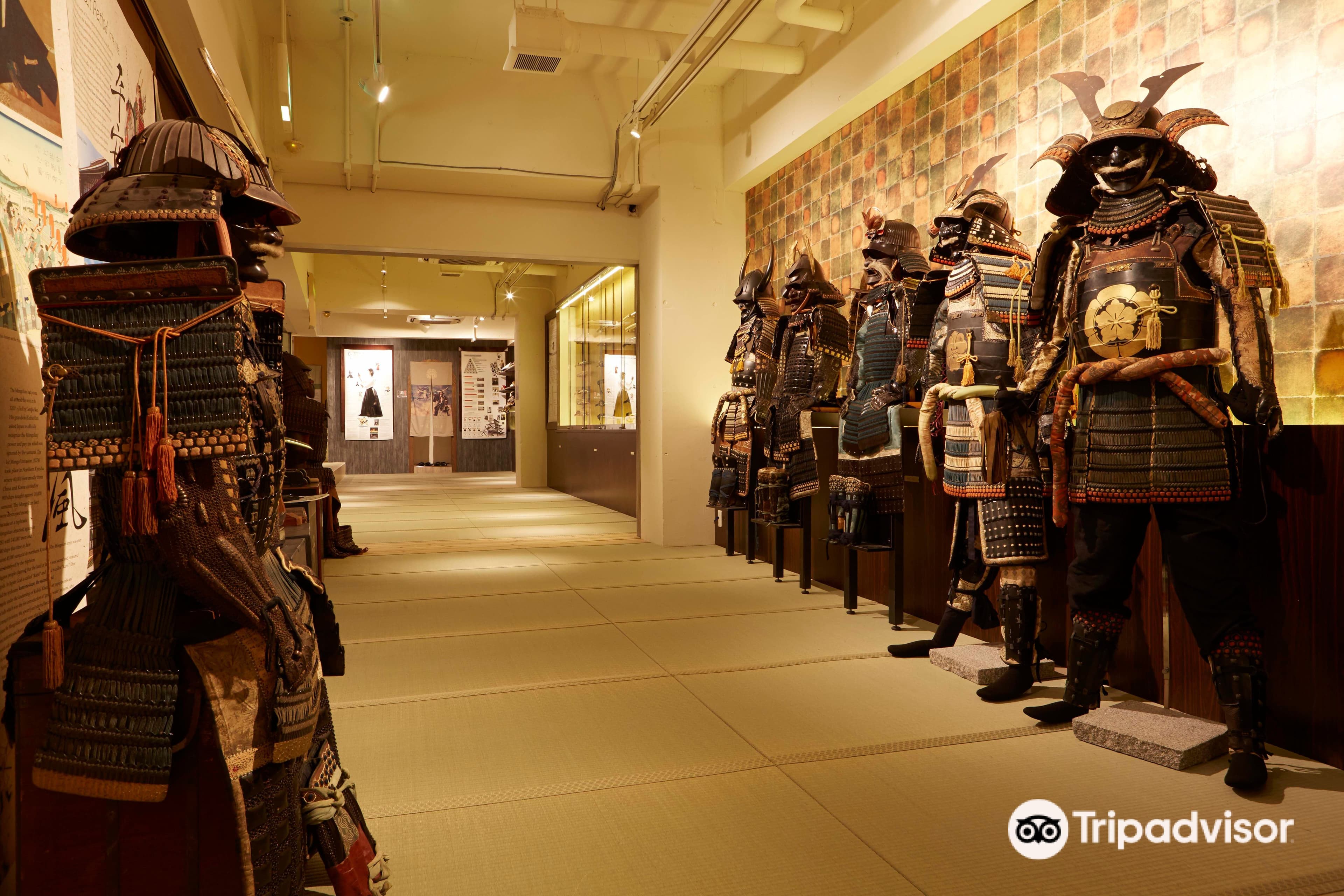
The Kyoto Samurai Ninja Museum offers an immersive journey into Japan's warrior past, allowing visitors to not only view historical artifacts but also engage directly with samurai and ninja culture. Guests can try on armor, handle replica weapons, and even participate in interactive lessons, making it a highly engaging experience.
Attraction
Byodoin Temple (Byōdō-in)
Byodoin Temple (Byōdō-in) · Бёдо-ин · Byōdōin Omotesandō
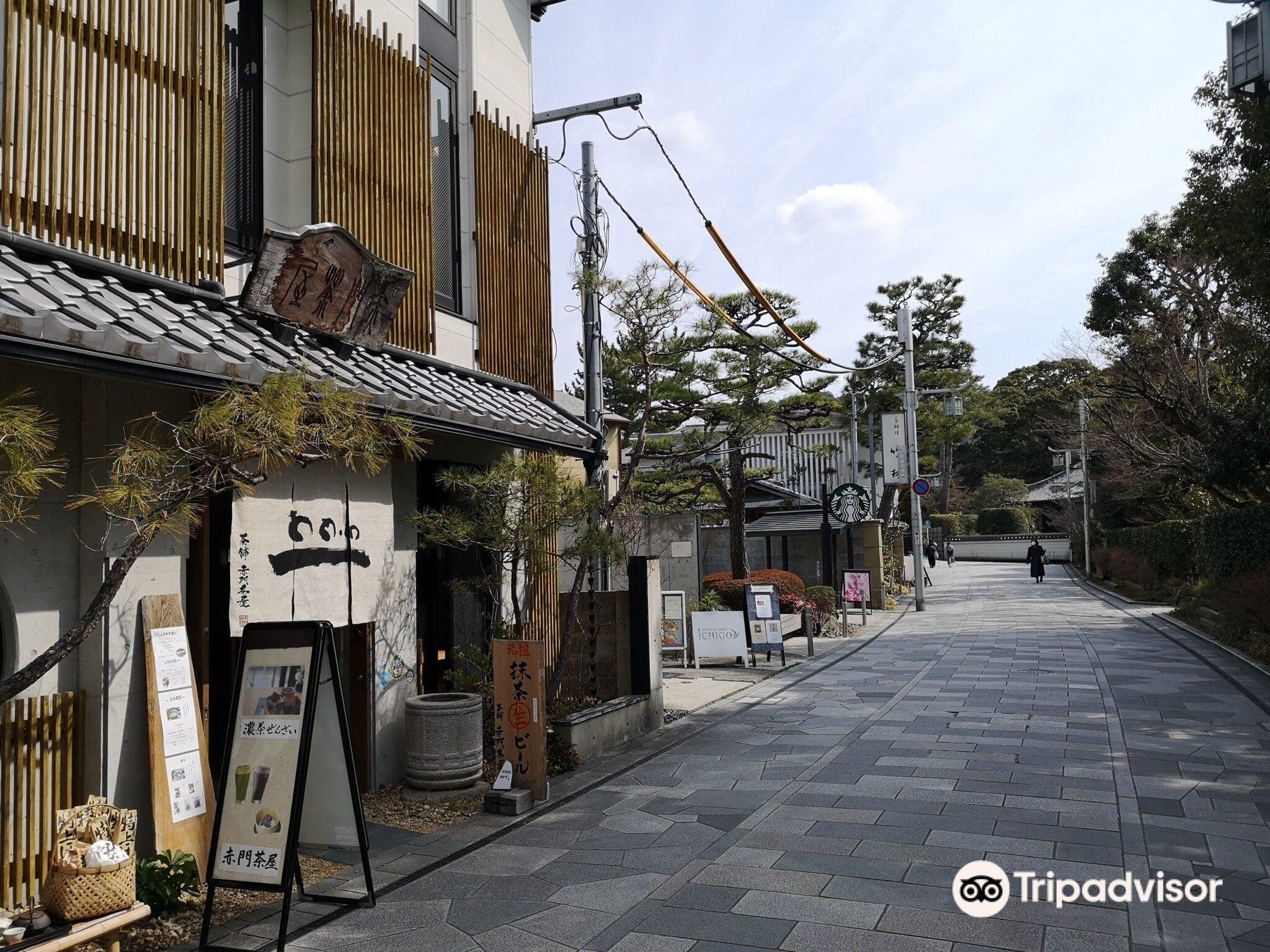
Byodo-in Omotesando is a historic commercial street leading to the famous Byodo-in Temple in Uji, Kyoto. Visitors enjoy its traditional Japanese architecture, a wide array of matcha shops, and the lively atmosphere, making it a perfect spot for souvenir shopping and experiencing local culture.
Attraction
Toshodaiji Temple
Toshodaiji Temple · Тосёдай-дзи · Tōshōdaiji
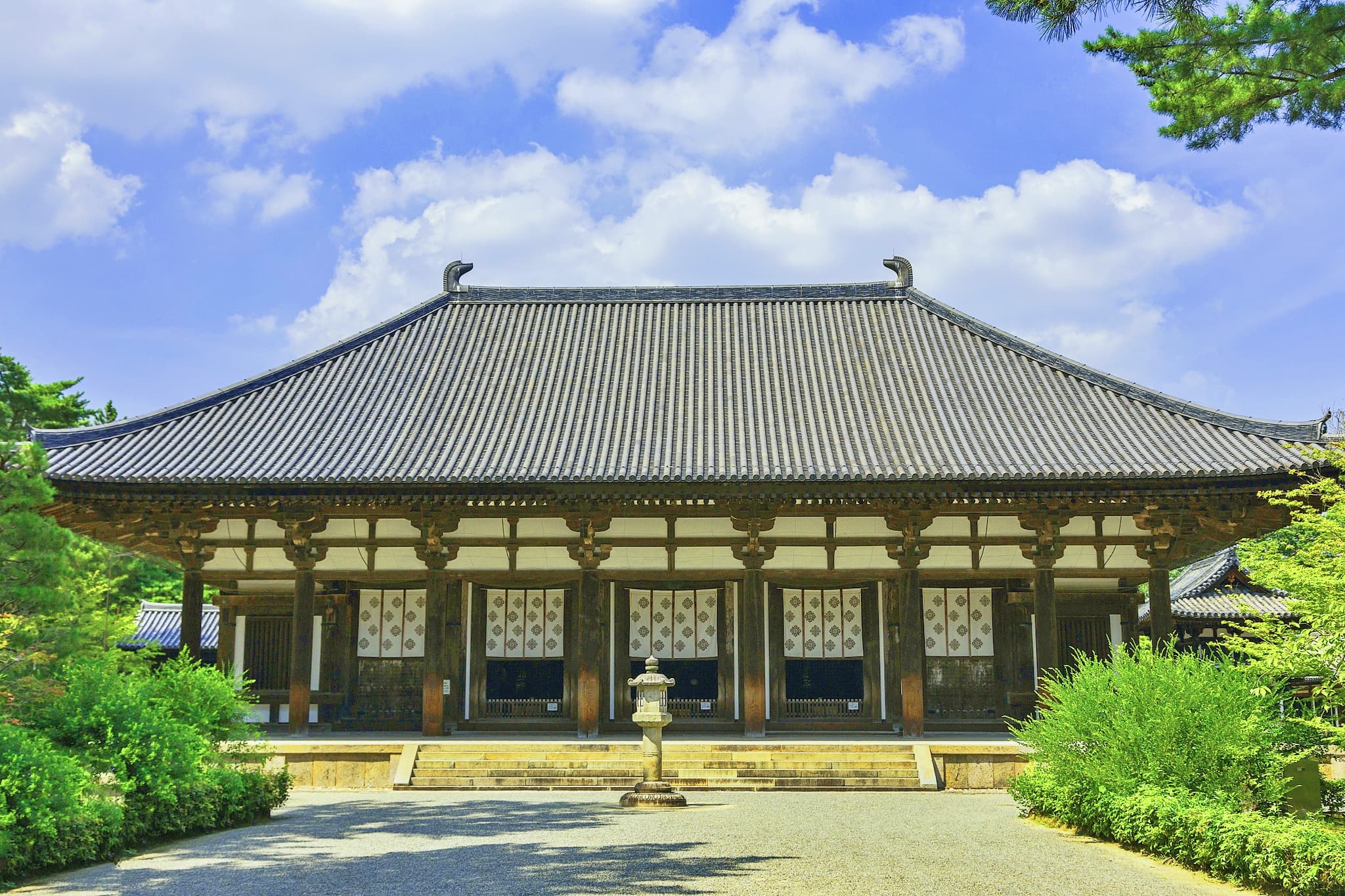
Toshodaiji Temple, founded by the Tang Dynasty monk Jianzhen, offers a rare glimpse into 8th-century Chinese architectural styles preserved in Japan. Visitors consistently praise its tranquil atmosphere and historical significance, making it a peaceful escape from more crowded attractions.
Attraction
Kyoto City KYOCERA Museum of Art
Kyoto City KYOCERA Museum of Art · 京都市京セラ美術館(京都市美術館) · Kyōto Shi Kyōsera Bijutsukan ( Kyōto Shi Bijutsukan )
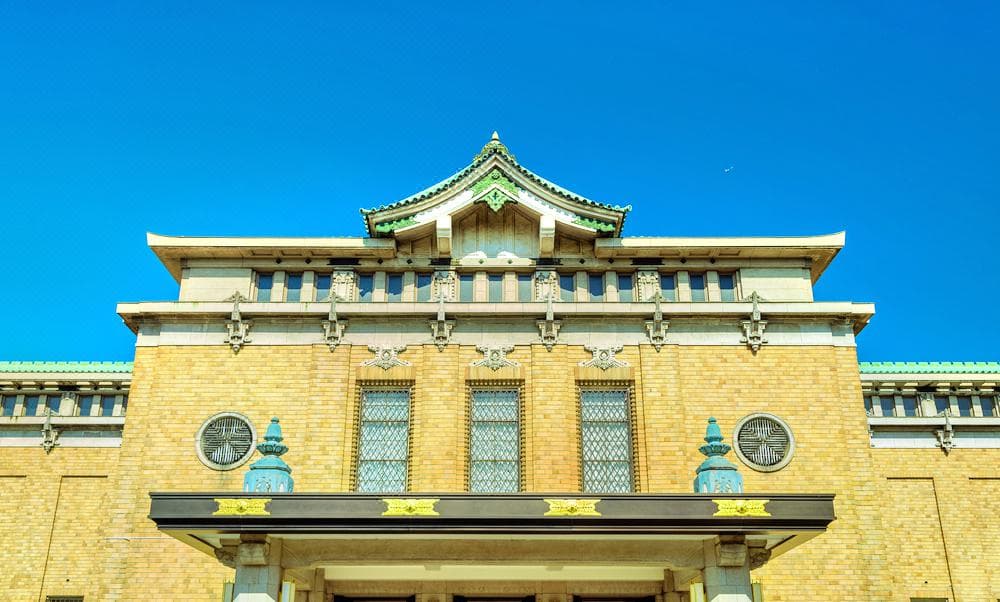
The Kyoto City KYOCERA Museum of Art, housed in a beautifully renovated historic building, offers a dynamic experience with a focus on modern and contemporary Japanese art, alongside international special exhibitions. Visitors appreciate its stunning architecture, diverse displays, and the pleasant surrounding Okazaki Park.
Attraction
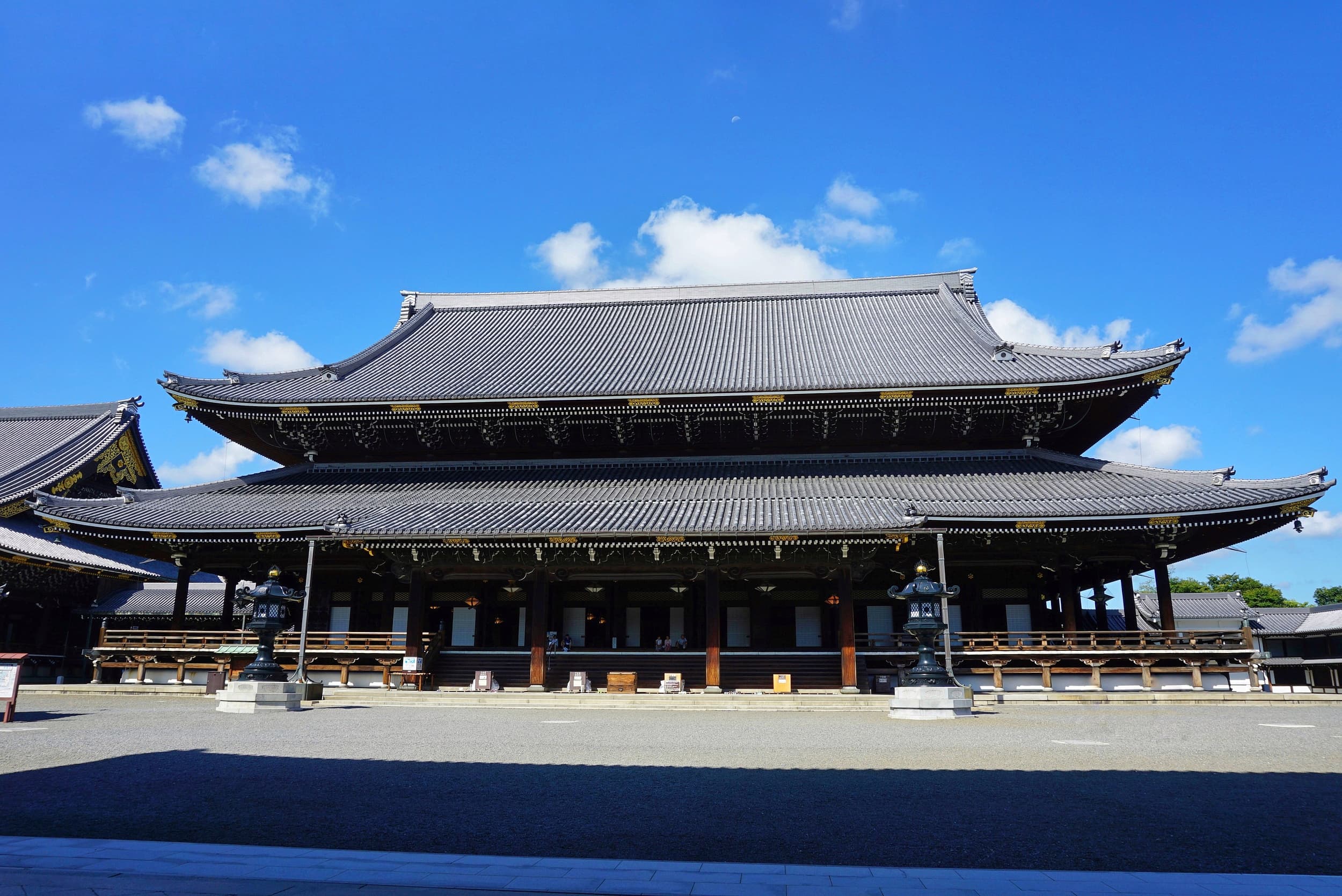
Higashi Hongan-ji Temple
Higashi Hongan-ji Temple · 東本願寺 · Higashihonganji
Higashi Hongan-ji Temple, a short walk from Kyoto Station, offers a grand and serene experience with its massive wooden structures and peaceful atmosphere. Visitors consistently praise its impressive scale, free entry, and lack of crowds, making it a tranquil escape from the city's more bustling attractions. It's also notable for its unique historical artifacts, including ropes made from human hair.
Attraction
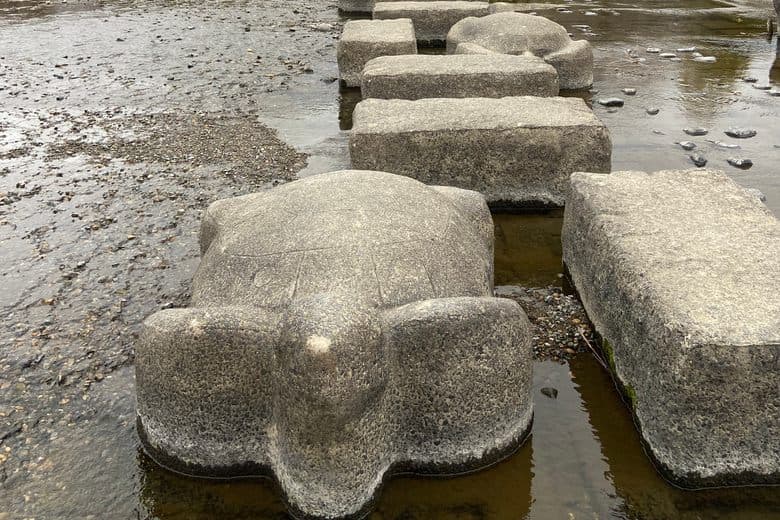
Kamo River Turtle Stepping Stones
Kamo River Turtle Stepping Stones
The Kamo River Turtle Stepping Stones are a beloved local spot in Kyoto, offering a playful way to cross the river. These concrete turtles, installed in 1992, provide both a functional crossing and a fun photo opportunity, especially popular with families and those seeking a unique riverside experience.