Kifune Shrine, an ancient and revered Shinto sanctuary, is dedicated to the god of water, Taka-okami-no-kami. It holds significant historical and cultural importance as the birthplace of ema prayer boards and is associated with both auspicious wish-making and the intriguing Ushi-no-toki-mairi curse ritual. Its location amidst a lush, forested gorge between Mounts Kibune and Kurama provides a naturally serene and mystical ambiance, making it a distinct spiritual destination in Kyoto.
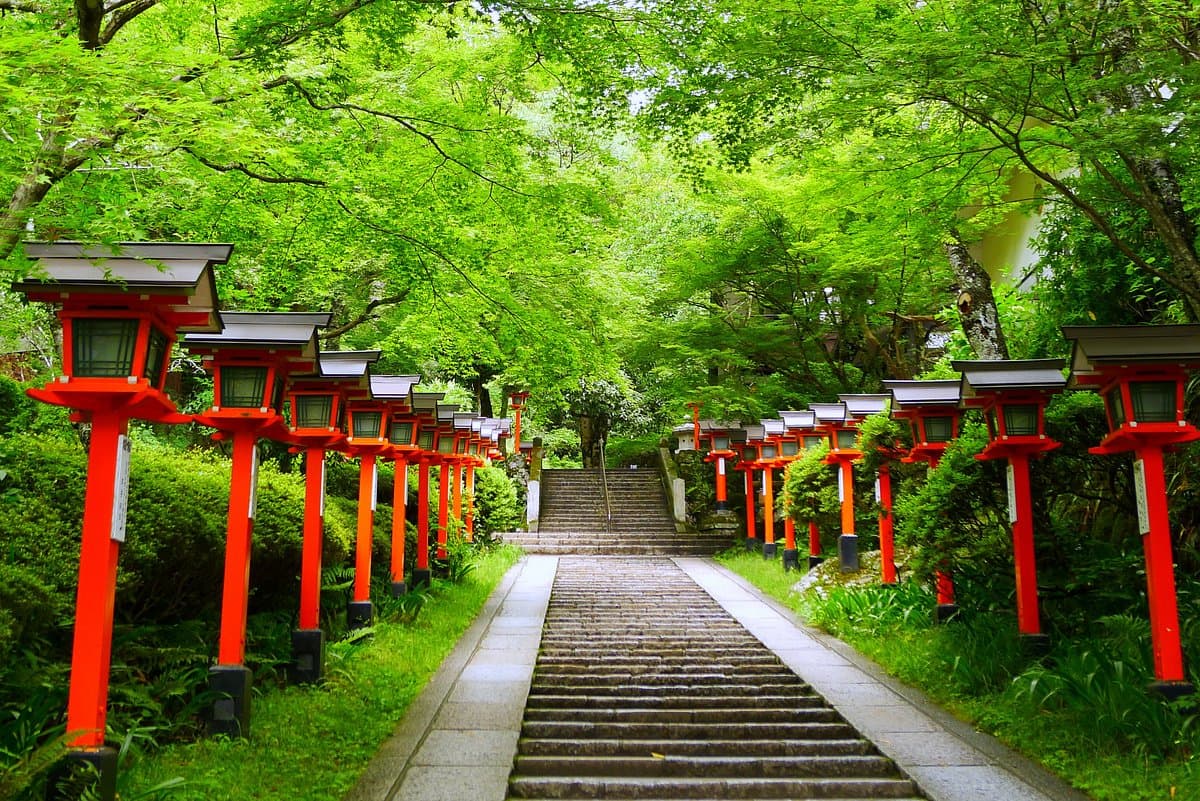
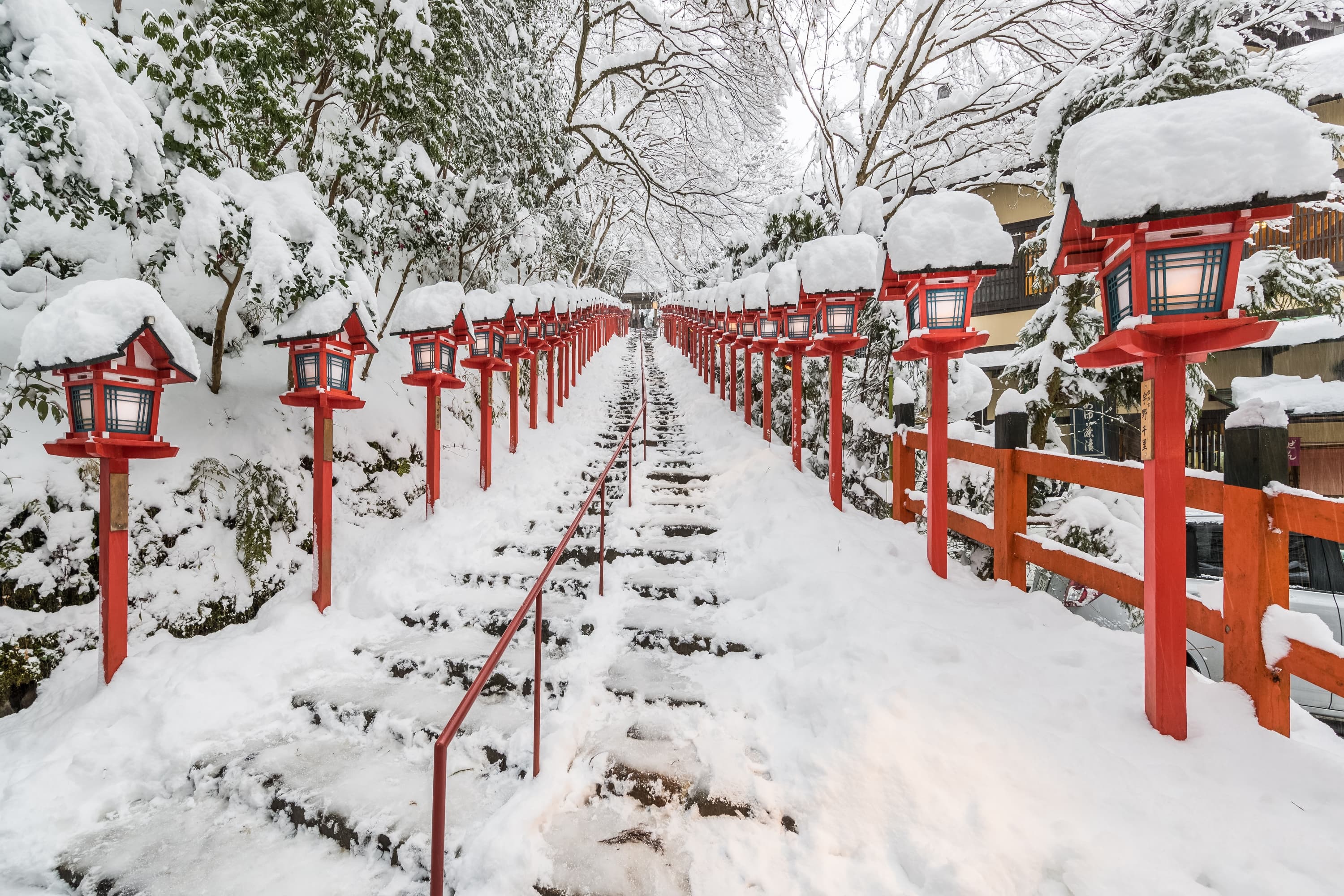
Visitors consistently praise the shrine's picturesque beauty, particularly the iconic stone staircase adorned with vermilion lanterns, which is a popular spot for photography. Many highlight the refreshing and cooler temperatures in the mountainous area, especially during summer, making it a pleasant retreat. The unique water divination (mizu-ura mikuji), where fortunes appear when paper slips are floated on water, is a frequently mentioned and enjoyable activity. Reviewers also appreciate the overall peaceful and sacred atmosphere, noting that it feels less crowded than some central Kyoto attractions, especially if visited early. The seasonal changes are a major draw, with autumn foliage and winter snow transforming the landscape into breathtaking scenes, though some advise that autumn colors peak earlier here due to the higher altitude.
To make the most of your visit, plan to spend approximately 2-3 hours exploring the main shrine (Hongu) and the inner shrine (Oku-no-miya), which is the original site and about a half-hour walk away. Many visitors combine their trip with a hike to Kurama-dera temple, creating a full day's excursion. Comfortable walking shoes are essential, as the terrain involves slopes, stone steps, and potentially long walks. Bringing water, especially in warmer months, is advisable. For those seeking fewer crowds and optimal photo opportunities, arriving early in the morning is recommended. While there are shops and restaurants around, some reviewers note they can be expensive, so consider bringing snacks or planning meals strategically. The shrine is particularly beautiful during Tanabata (Water Festival) and the autumn night illuminations, but these times also attract more visitors.
Kifune Shrine is located in a relatively remote area north of central Kyoto, requiring a multi-leg journey. From Kyoto Station, take the Karasuma Line subway to Kokusai-kaikan Station. From there, transfer to a local bus (e.g., Bus 52) to Kibuneguchi. Alternatively, take the Eizan Electric Railway (Eiden train) from Demachiyanagi Station to Kibuneguchi Station. From Kibuneguchi Station, you can either take a local bus (often crowded, 200 yen) directly to the shrine entrance, or enjoy a scenic 25-30 minute walk along the Kibune River. Driving is generally not recommended due to narrow roads and limited, expensive parking. The train journey itself is often cited as a pleasant experience with scenic views.
A common complaint is the distance and time required to reach the shrine, which can deter some visitors. The journey involves multiple transfers and can be lengthy, especially if relying solely on public transport. To mitigate this, consider purchasing a day pass for the Eizan Railway if combining with Kurama-dera, or simply embrace the journey as part of the experience. During peak seasons, especially autumn, the area can become very crowded, leading to long lines for photos and services. Visiting during off-peak hours or seasons can offer a more tranquil experience. Some visitors also find the shrine itself to be smaller than expected once past the iconic steps; however, the overall natural setting and spiritual ambiance are generally considered to compensate for this.