Mt. Kurama is a sacred mountain located just north of Kyoto, deeply intertwined with Japanese spirituality, history, and mythology. It is famously recognized as the birthplace of Reiki, where Mikao Usui meditated and received the healing energy. The mountain is also associated with the legendary Tengu, mythical creatures often depicted with long noses and wings, and was a training ground for the historical figure Minamoto no Yoshitsune. Its significance extends beyond its natural beauty, offering a profound cultural experience.
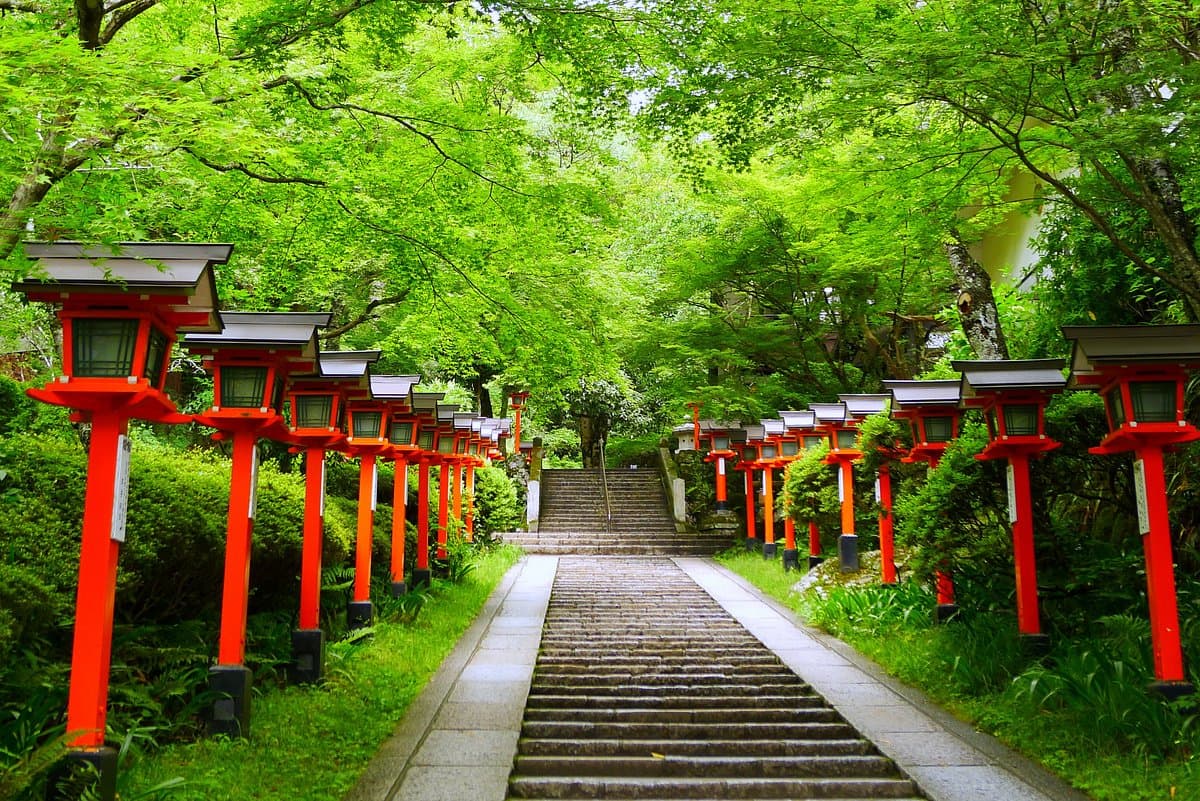
Visitors consistently praise the serene atmosphere and the refreshing escape it provides from Kyoto's crowded urban centers. Many highlight the beautiful hiking trails, particularly the route connecting Kurama-dera Temple to Kibune Shrine, which is lauded for its ancient cedar trees, massive roots, and numerous smaller shrines along the way. The option to take a cable car for part of the ascent is appreciated by those with limited mobility or time. Reviewers often mention the sense of peace and spiritual energy felt throughout the mountain, making it a favorite for those seeking a deeper connection with nature and Japanese traditions.
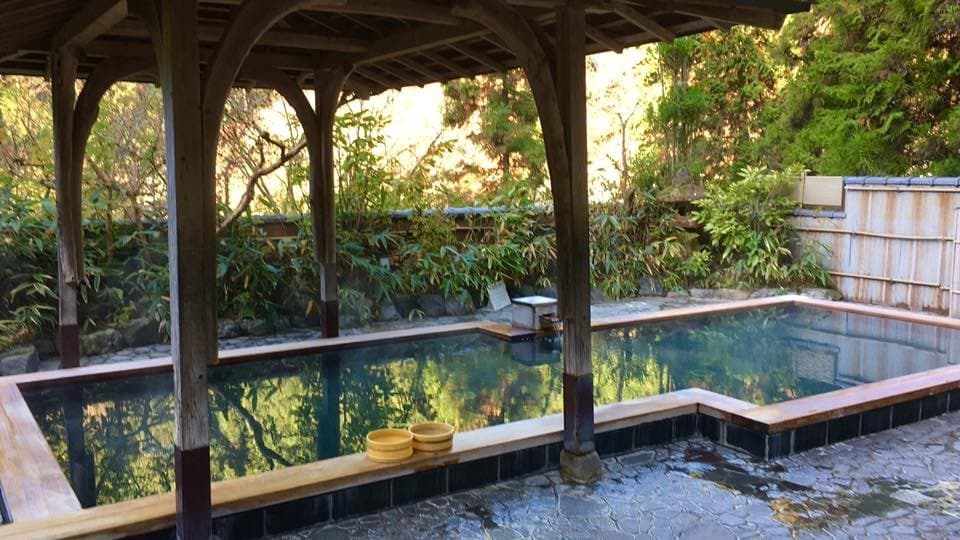
For a comfortable visit, wear sturdy walking shoes, as the trails involve many steps and can be slippery, especially after rain. Bring water and snacks, as facilities are limited on the trails. Many recommend starting the hike from Kurama and descending to Kibune, as this direction is generally considered less strenuous. The best time to visit is during autumn for vibrant foliage or in spring for pleasant weather, though summer offers a cool respite from the city heat. Allocate at least 3-4 hours for the full hike between Kurama and Kibune, including time for temple visits. If you plan to visit the Kurama Onsen, factor in additional time.
Mt. Kurama is easily accessible from Kyoto. Take the Eizan Electric Railway (Eiden Line) from Demachiyanagi Station to Kurama Station, which is the last stop and conveniently located right at the entrance to Kurama-dera Temple. The train ride itself is part of the experience, especially the "maple tunnel" section during autumn evenings. If starting from Kibune, take the Eiden Line to Kibuneguchi Station, then a short bus ride or a 20-30 minute walk to Kibune Shrine. A one-day bus pass is generally not valid in this region, so be prepared for separate train fares. Parking is limited, so public transport is highly recommended.
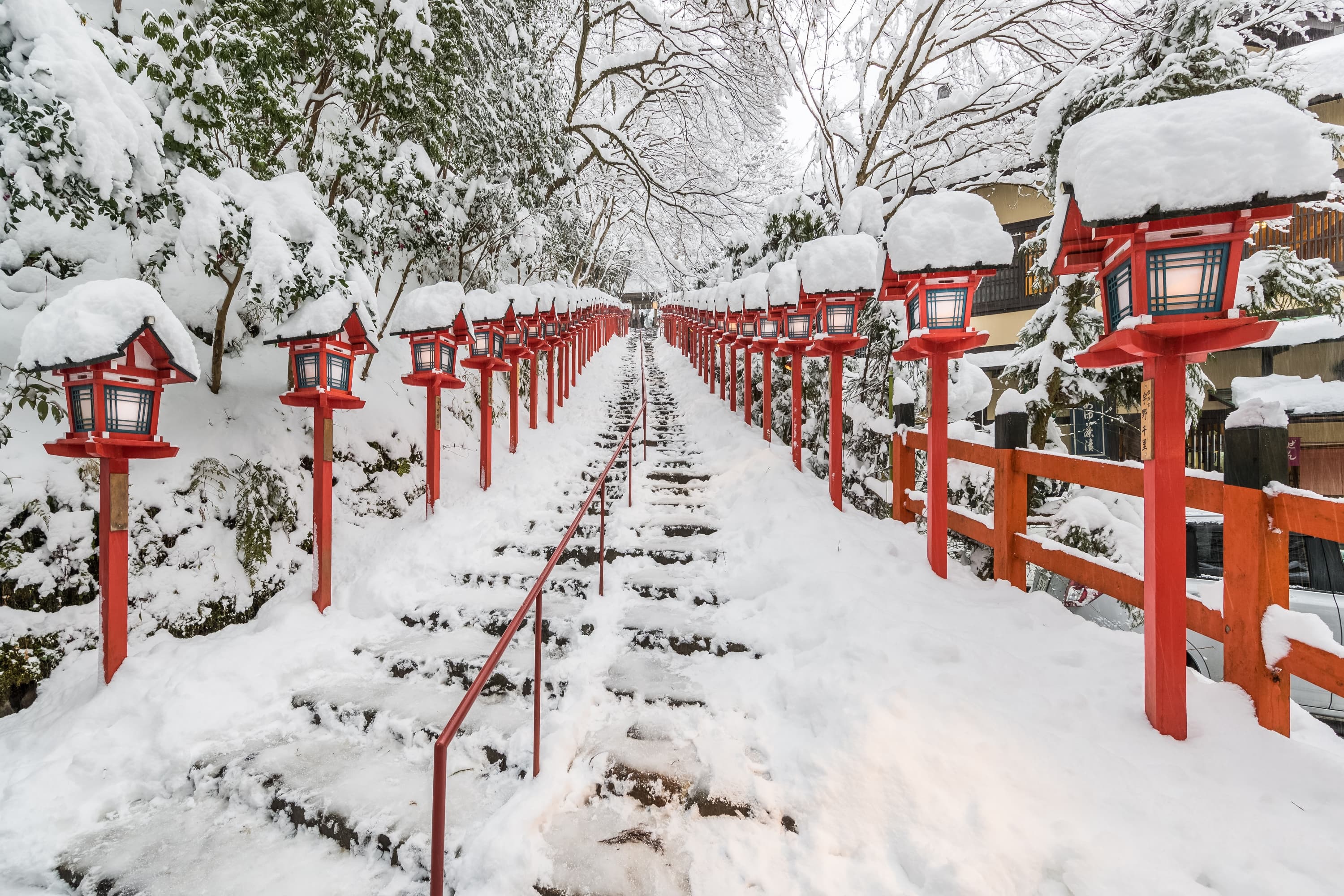
A common complaint among visitors is the closure of trails due to typhoons or heavy weather, which can disrupt plans, particularly the popular Kurama-Kibune route. It's advisable to check the official website or local tourist information for trail conditions before your visit. Some visitors also find the entry fee and cable car fare to be an additional cost, but most agree it's a worthwhile investment for the experience. During peak seasons, especially the Kurama Fire Festival, the area can become extremely crowded, leading to long waits for transport and a less tranquil experience. If seeking solitude, avoid major festival dates.