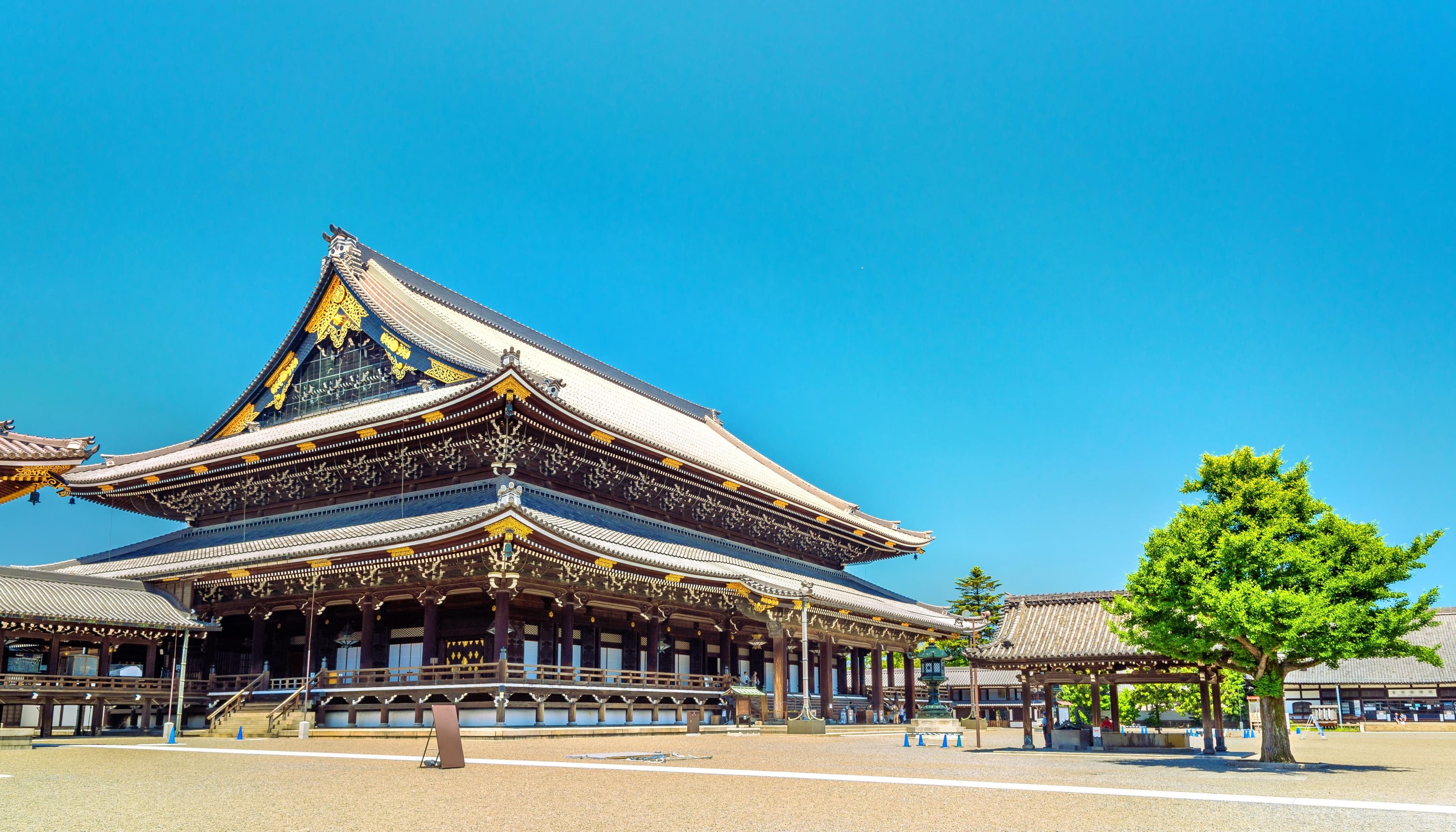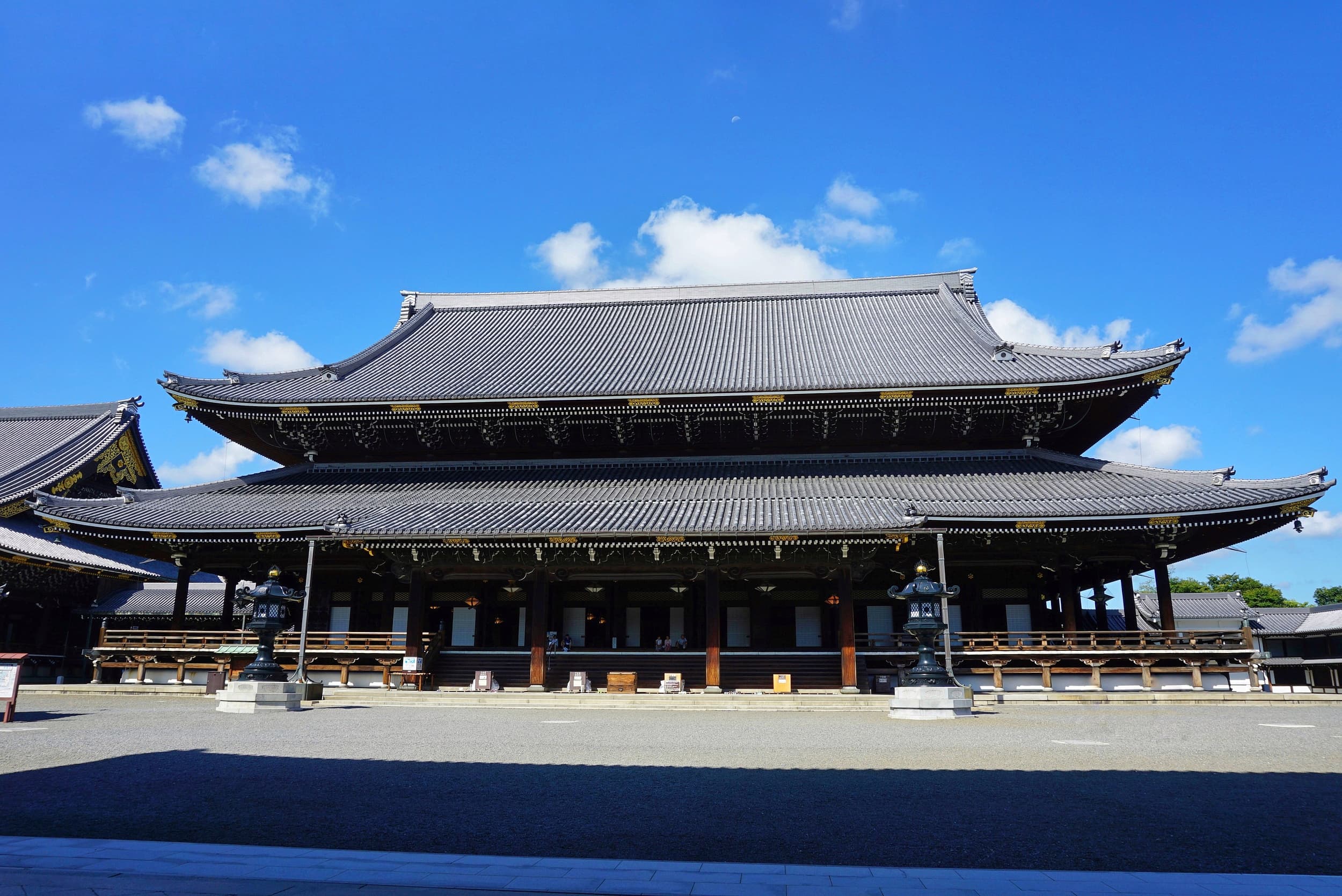
Higashi Hongan-ji Temple is the head temple of the Ōtani school of the Jodo Shinshu sect of Buddhism, founded in 1602. It is one of Kyoto's most significant religious sites, known for its immense scale and historical importance. The current complex, largely rebuilt after fires, features some of the world's largest wooden structures, including its main hall, the Miei-do Hall.
Visitors frequently highlight the temple's overwhelming size and the serene, uncrowded atmosphere, especially compared to other popular Kyoto temples. Many appreciate the opportunity to experience a major Buddhist temple without the usual tourist throngs. The architectural grandeur, particularly the massive wooden pillars and intricate details, is a recurring point of praise. Reviewers often mention the peacefulness found within the temple grounds, describing it as a calming retreat from the city's hustle. The free entry is also a significant draw, allowing visitors to explore the extensive complex without financial commitment. Some visitors have been fortunate enough to witness Buddhist ceremonies, which they describe as a deeply moving and authentic experience.
To make the most of your visit, allocate 1 to 2 hours to explore the grounds and main halls. Many suggest arriving in the morning for the most tranquil experience, as it tends to be less busy. Remember that shoes must be removed before entering the main halls; plastic bags are usually provided for convenience. While photography is generally permitted in the courtyards, it is often prohibited inside the main temple buildings, especially during ceremonies. For those interested in unique historical artifacts, seek out the display of ropes made from human hair, a testament to the devotion of past worshippers who contributed their hair to create strong ropes for the temple's construction.
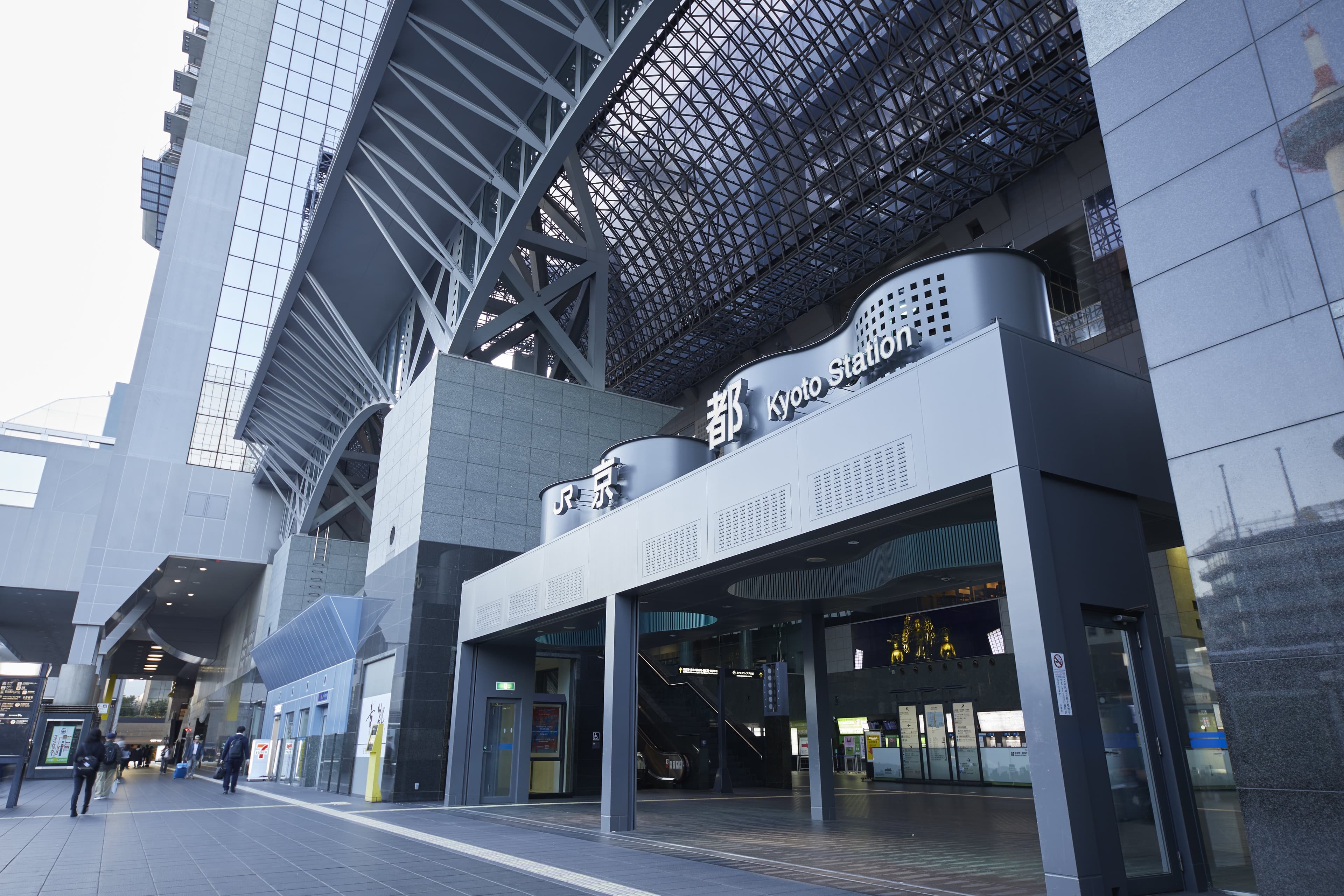
The temple's proximity to Kyoto Station makes it exceptionally accessible. It is approximately a 10-15 minute walk directly north from the station, making it an ideal first stop upon arrival or a convenient visit before departure. Reviewers often mention seeing the temple from the station or passing it on their way to other destinations. Public transport options like buses and the metro also serve the area, but walking is generally recommended due to its close distance. There are no specific parking details frequently mentioned, suggesting public transport or walking is the preferred method.
While generally praised, some visitors note a lack of clear signage within the vast complex, which can make navigation a bit challenging. To mitigate this, consider looking up a map of the temple grounds beforehand or joining one of the free guided tours offered by monks and staff, which several reviewers highly recommend for a deeper understanding of the site. A few isolated complaints mention feeling unwelcome or being berated by security, though these are rare and not representative of the overall visitor experience.