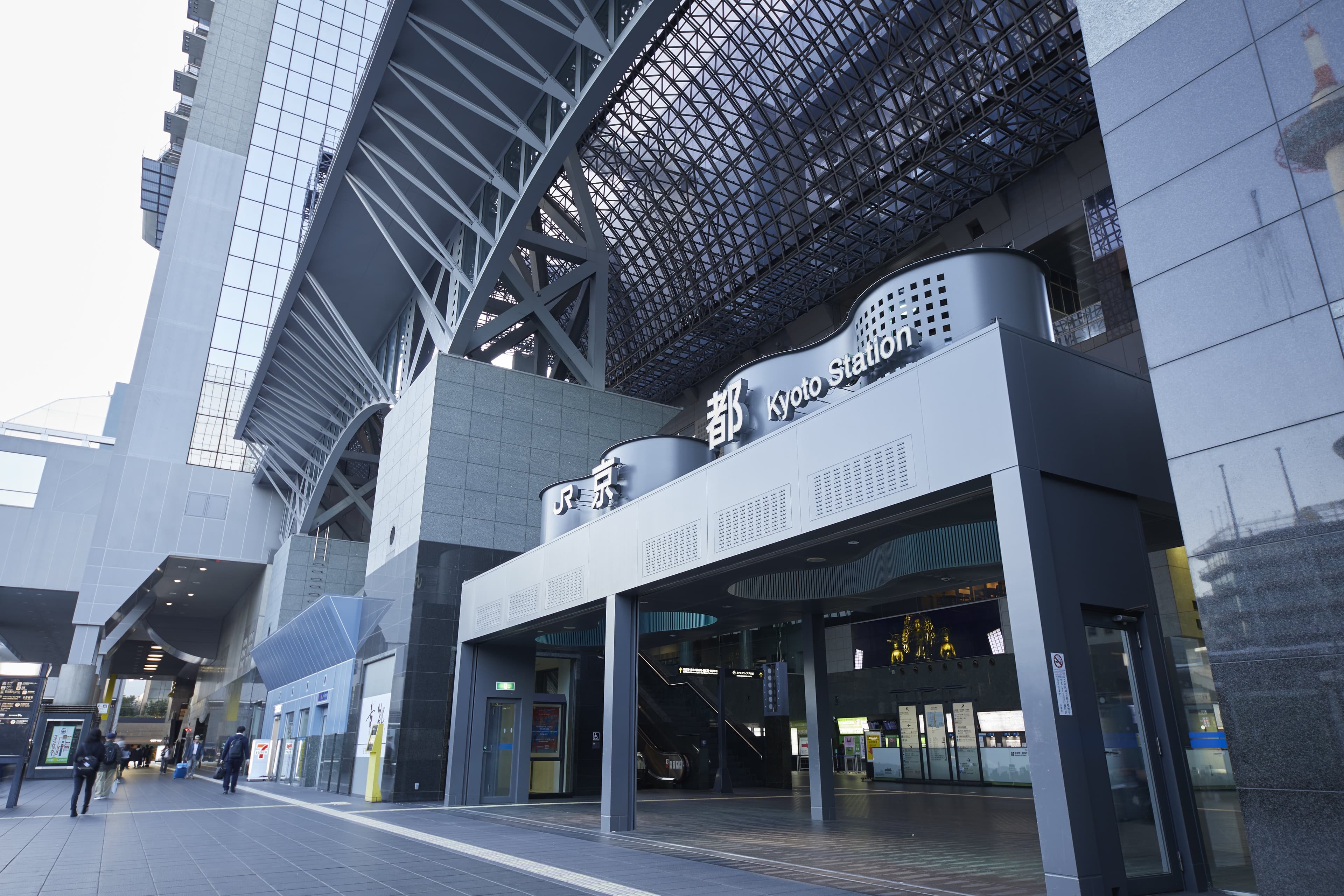
The Kyoto Station Building is a striking example of modern architecture, serving as Kyoto's primary transportation hub while also functioning as a massive commercial and entertainment complex. Designed by Hiroshi Hara, its bold, contemporary design stands in stark contrast to Kyoto's traditional aesthetic, making it a significant landmark that embodies the city's blend of old and new. It's not merely a place to catch a train; it's a destination offering a wide array of experiences.
Visitors consistently praise the station's impressive scale and architectural grandeur, often describing it as a "city within a city." Many highlight the convenience of having extensive shopping, dining, and entertainment options all under one roof, making it an ideal spot for meals, souvenir shopping, or simply escaping inclement weather. The cleanliness and efficiency of the Japanese rail system, centered here, are frequently noted. However, some visitors find the sheer size and complex layout initially overwhelming, leading to a sense of being lost, especially when trying to locate specific restaurants or platforms.
To make the most of your visit, allocate at least 2-3 hours to explore beyond just transit. Don't miss the upper levels; take the long escalators up to the Skyway and the rooftop garden for excellent, free panoramic views of Kyoto and Kyoto Tower. The Skyway, accessible from the 11th floor (often near the ramen restaurants), offers particularly good north-facing views. Many recommend visiting in the evening to experience the spectacular light shows on the grand staircase, which change seasonally and are a popular photo opportunity. For dining, the 10th and 11th floors house numerous restaurants, including a popular "Ramen Street." Consider purchasing an ICOCA prepaid card for seamless public transport navigation, as suggested by several reviewers.
Kyoto Station is the central nexus for virtually all transportation in Kyoto. It serves as the terminus for the Shinkansen (bullet train), various JR local lines, subway lines, and is the main hub for city buses. The bus terminal is located on the north side of the building. For those arriving from Kansai International Airport, the Haruka Express train provides a direct connection. English signage is generally good, and staff are often available to assist with directions. Taxis are readily available outside the station, particularly on the Karasuma Street (north) side. While driving is an option, public transport is highly recommended due to the station's central location and extensive connectivity.
The primary complaint revolves around the station's confusing layout and the difficulty in navigating its vastness. To mitigate this, reviewers advise taking time to orient yourself, following signs carefully (as English translations can be small), and not hesitating to ask staff for assistance. Some also note that finding restaurants for large groups, especially during peak hours, can be challenging. It's advisable to have a specific restaurant in mind or be prepared to wait. Despite these minor issues, the consensus is that the station's benefits far outweigh its complexities.