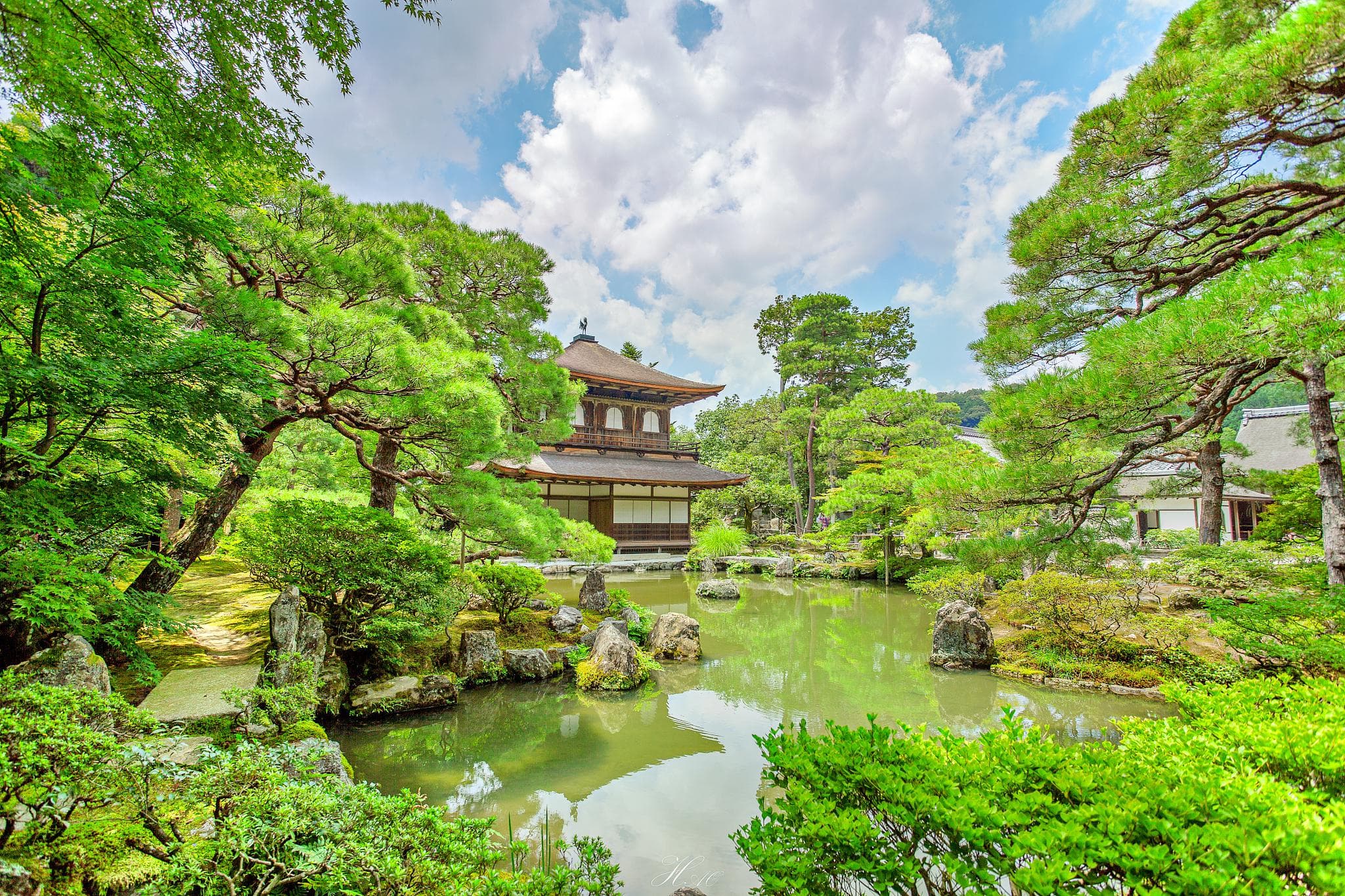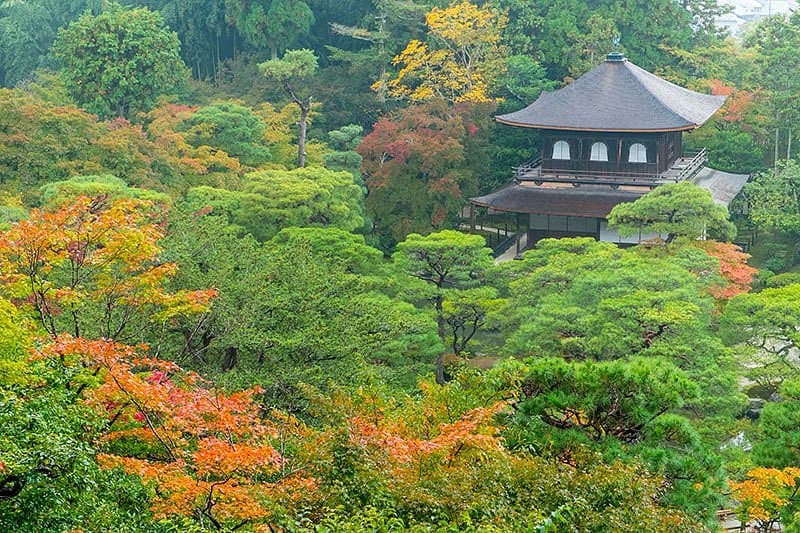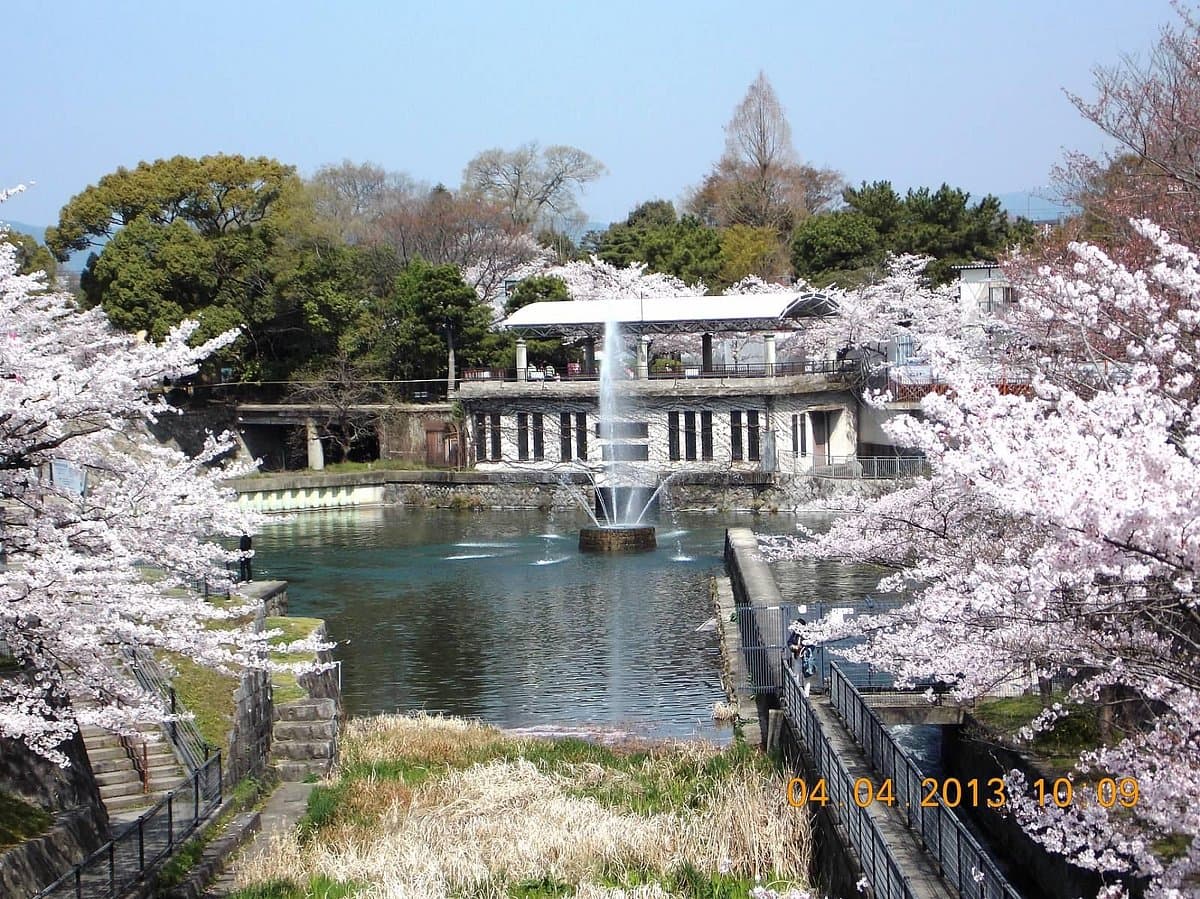
Philosopher's Walk (Tetsugaku no Michi) is a 2-2.5 km pedestrian path running alongside the Lake Biwa Canal in Kyoto's Sakyo Ward, connecting Ginkaku-ji (Silver Pavilion) Temple in the north to Nanzen-ji Temple in the south. The path is named after philosopher Kitaro Nishida, who reportedly walked this route daily while contemplating. The canal-side walkway is lined with hundreds of cherry trees, traditional wooden houses, small craft shops, galleries, and cafes, creating a serene residential atmosphere distinct from Kyoto's busier temple districts.
Visitors consistently praise the walk's peaceful, contemplative quality, especially when experienced early in the morning or during off-peak seasons. The path's appeal is heavily season-dependent: during cherry blossom season (late March to early April), visitors describe it as "spectacular" and "magical," with pink petals creating an unforgettable atmosphere. Autumn foliage (November) is similarly praised for vibrant colors. However, multiple reviewers note that the path becomes extremely crowded during peak sakura bloom, with tour groups and tourists creating congestion. In winter, summer, and early autumn when trees lack distinctive features, many visitors find the walk "relatively bland" or "boring," describing it as merely a pleasant stroll without special visual appeal. The middle section of the path is notably quieter than the crowded endpoints, as many tourists do not complete the full walk.
Practical advice from visitor experiences: arrive early (7-8 AM) to avoid crowds and enjoy a peaceful experience, especially during sakura season. The walk is entirely flat and easy, suitable for all fitness levels, families with strollers, and wheelchairs. Wear comfortable walking shoes and bring water, particularly in warm months. The path takes 30-45 minutes to walk non-stop, but plan 2-3 hours if stopping at temples, shops, and cafes along the way. Several cafes and ice cream vendors operate along the route; Philosopher's Coffee and Yojiya Cafe are mentioned favorably. Avoid visiting during peak heat (August) unless you start very early. The path is best experienced in spring (cherry blossoms), late autumn (foliage), or winter (fewer crowds, peaceful atmosphere). Bring insect repellent if visiting in summer, as the canal attracts mosquitoes. Photography opportunities are abundant, especially on bridges and under tree canopies.
Getting there: The path is not directly served by subway or train. From central Kyoto, take bus #5, #32, or #17 to Ginkaku-ji-michi stop (the most common starting point). From Demachiyanagi Station on the Keihan Line, exit at gate 3, turn left, and catch bus #203 to Ginkaku-ji-michi. The bus ride takes 15-20 minutes from central Kyoto. Alternatively, from Keage Station (Tozai Line), you can access the southern end near Nanzen-ji Temple. A map is available at the southern terminus showing connections to nearby subway stations. Taxis are available at both ends of the path. Some visitors recommend starting at the south end (Nanzen-ji) and walking north to Ginkaku-ji, then taking the bus back to central Kyoto, as this avoids backtracking.
Common complaints and mitigation: visitors frequently mention that the path is "far out of the way" and difficult to find without clear directions—use Google Maps or ask hotel staff for bus route confirmation before departing. Overcrowding during sakura season is unavoidable, but arriving before 8 AM significantly reduces crowds. Some reviewers note that the path is "overhyped" if visited outside peak seasons, so manage expectations based on the time of year. A few visitors report that the scenery becomes repetitive along the full 2.5 km stretch; if time is limited, walking just the first 1-1.5 km from Ginkaku-ji provides the main highlights. The path can be muddy after rain, so waterproof shoes are advisable.