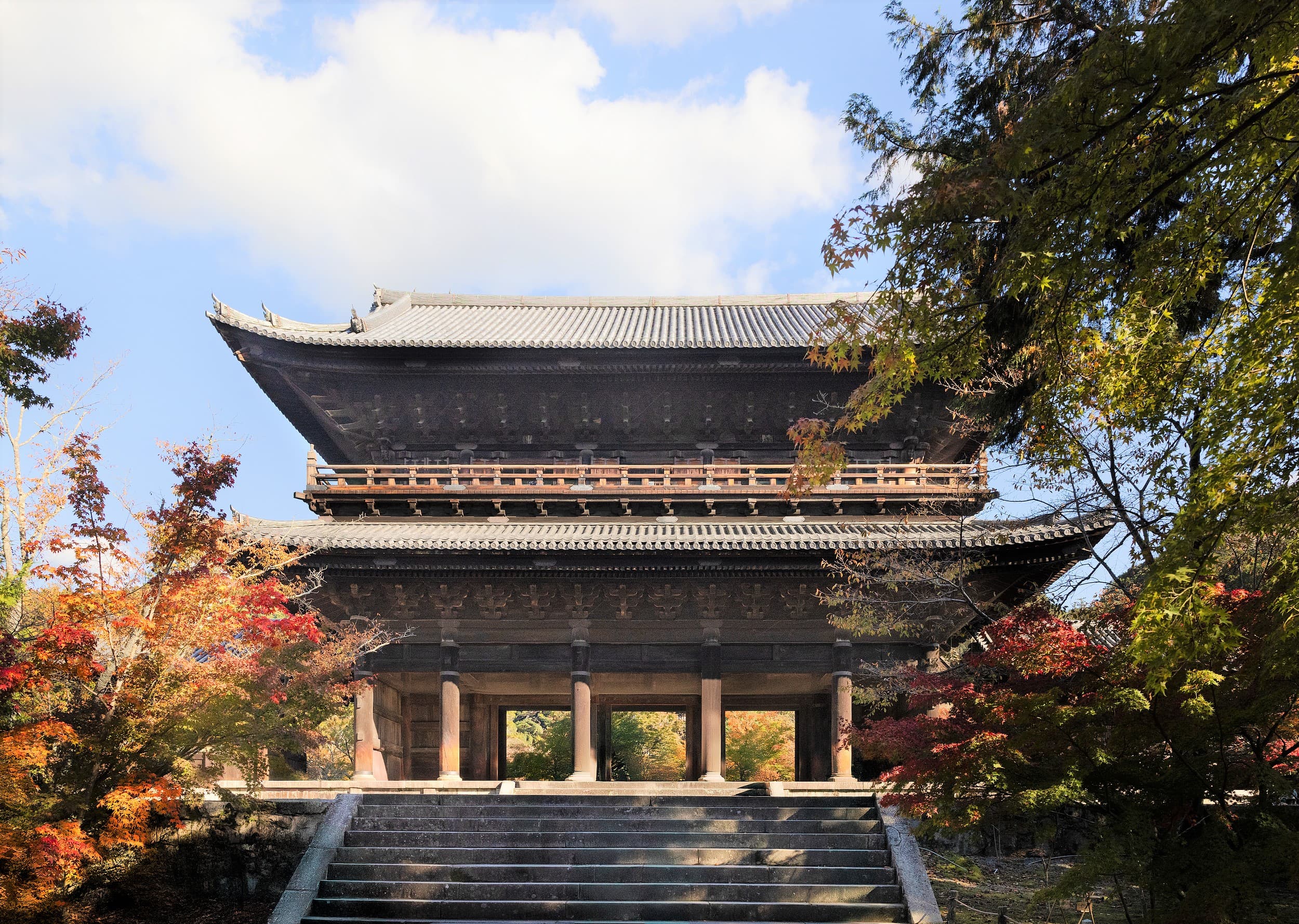
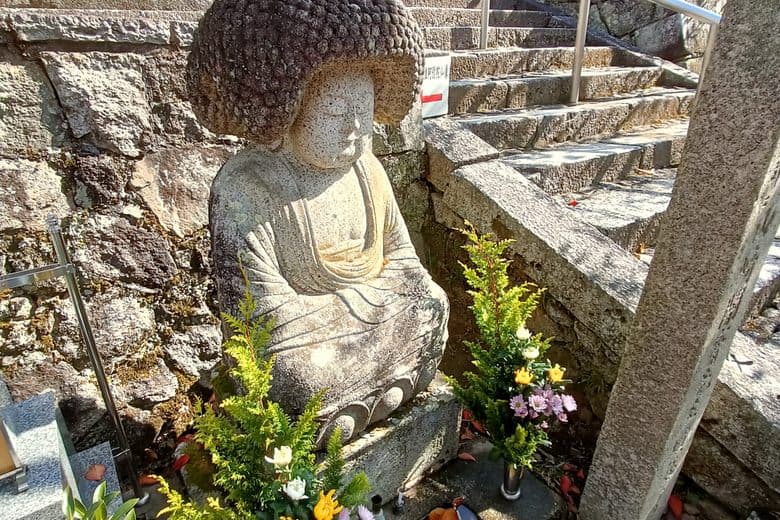
Eikando Temple, officially Zenrin-ji, is a significant Buddhist temple with a history dating back to 853 AD. It serves as the head temple of the Nishiyama Zenrin-ji sect of Pure Land Buddhism and is celebrated for its profound cultural heritage, including national treasures like the Yamagoshi Amitabha statue, uniquely depicted looking over its shoulder. While historically important, its primary draw for modern visitors is its breathtaking natural beauty, particularly during the autumn.
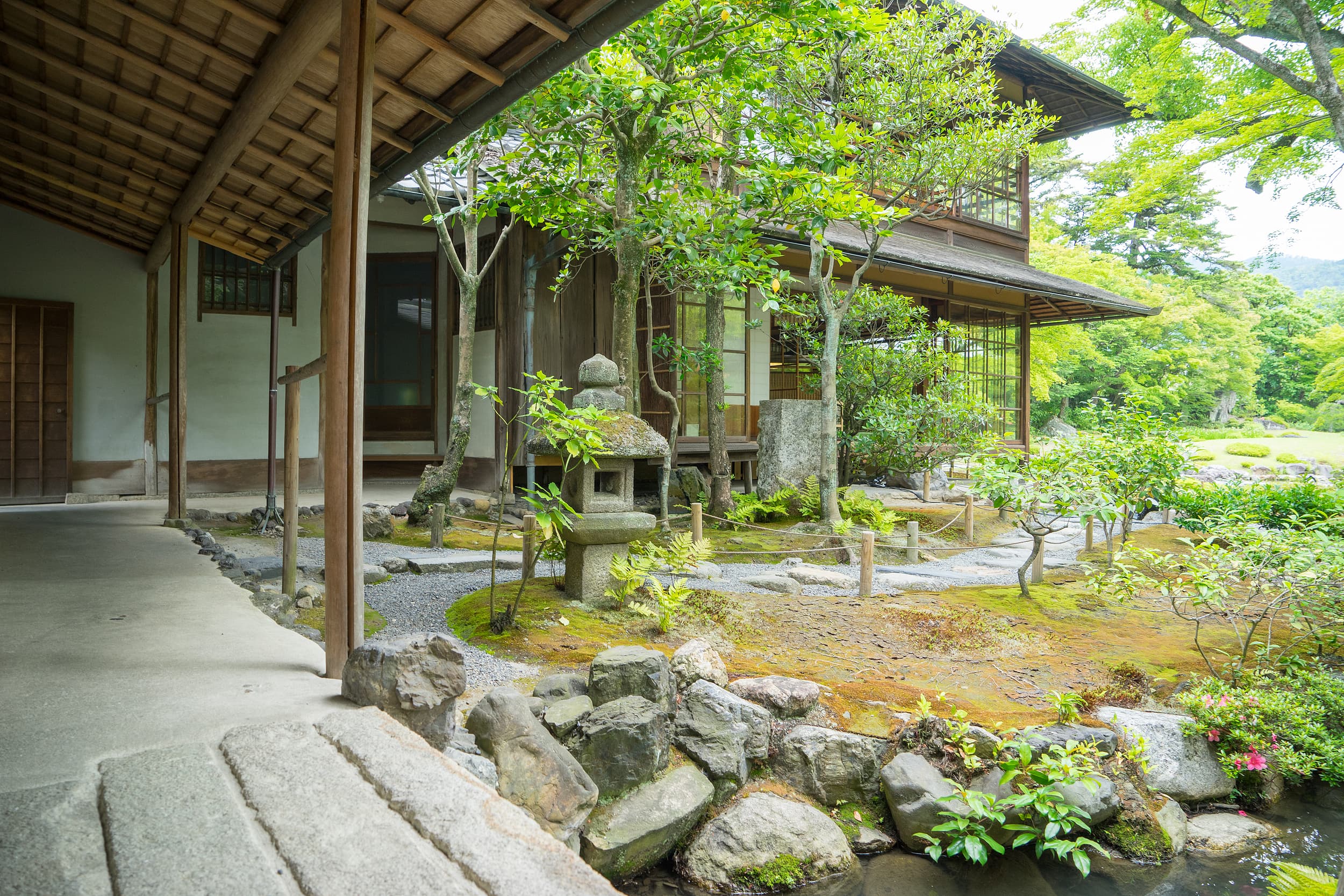
Visitors consistently rave about the temple's stunning autumn foliage, describing it as one of the most beautiful and vibrant displays in Kyoto. Many highlight the 'fiery red' maple trees that envelop the grounds, creating a picturesque landscape that feels like a painting. The night illuminations during fall are frequently mentioned as an unforgettable experience, transforming the gardens into a magical scene with reflections in the pond. Even outside of autumn, guests appreciate the temple's spacious, well-maintained gardens, peaceful atmosphere, and the opportunity to explore its various halls and pagodas. The unique Amida Buddha statue is also a point of interest for many.
To make the most of your visit, especially during peak autumn season (late November), arriving early in the morning (right at opening) is highly recommended to avoid the largest crowds. Several reviewers note that even with crowds, the expansive grounds can feel less overwhelming than other popular Kyoto sites. Plan to spend about 1 to 2 hours exploring the temple and gardens, allowing time to climb to the pagoda for panoramic views of Kyoto. Wear comfortable shoes, as there are many steps and pathways. Inside the temple buildings, shoes must be removed, and plastic bags are provided for carrying them; remember to take your bag with you when you leave as there are no trash cans. Photography is generally not allowed inside the temple halls but is permitted in the gardens.
Eikando Temple is conveniently located and accessible by public transport. It is a popular stop along the southern end of the Philosopher's Path (Tetsugaku-no-michi), making it easy to combine with a visit to other nearby attractions like Nanzen-ji Temple or Ginkaku-ji. From Kyoto Station, visitors can take the number 5 bus and alight at the 'Nanzenji Eikando Michi' stop; many reviewers mention that the bus can be very busy during peak season. Alternatively, it's accessible via the Tozai subway line, with Keage Station being a possible stop, followed by a walk. For those driving, parking information is not widely mentioned in reviews, suggesting public transport or walking is the preferred method.
The main complaint, particularly during autumn, is the sheer volume of people and the high entrance fee (which can be 1000 JPY during peak season compared to 600 JPY off-peak). To mitigate this, visiting early in the morning or considering the night illumination (which has a separate fee and can also be crowded) can offer a different experience. Some visitors also note that outside of autumn, the gardens, while still beautiful and tranquil, may lack the dramatic color that makes the temple famous, so manage expectations if visiting in other seasons.