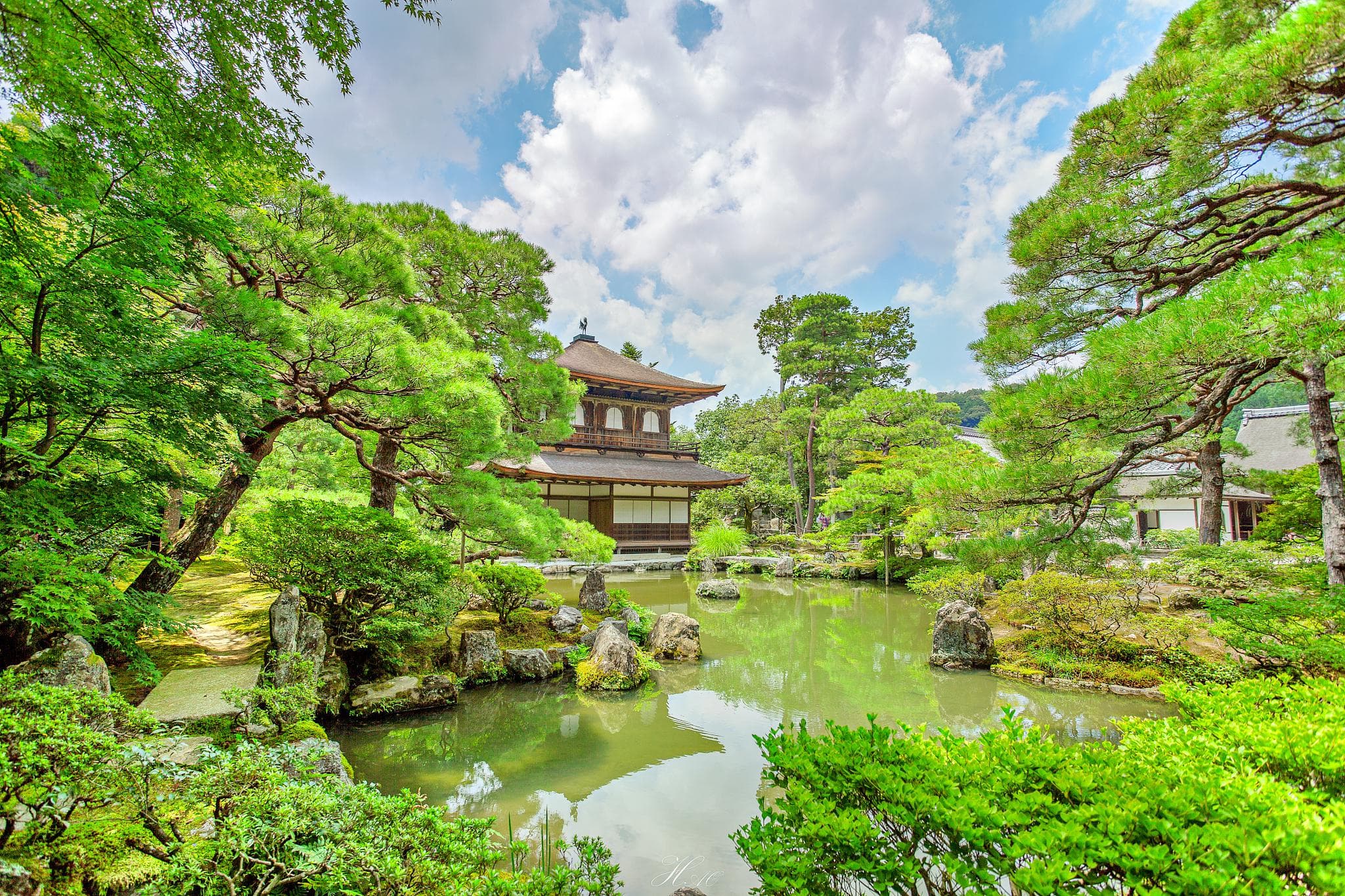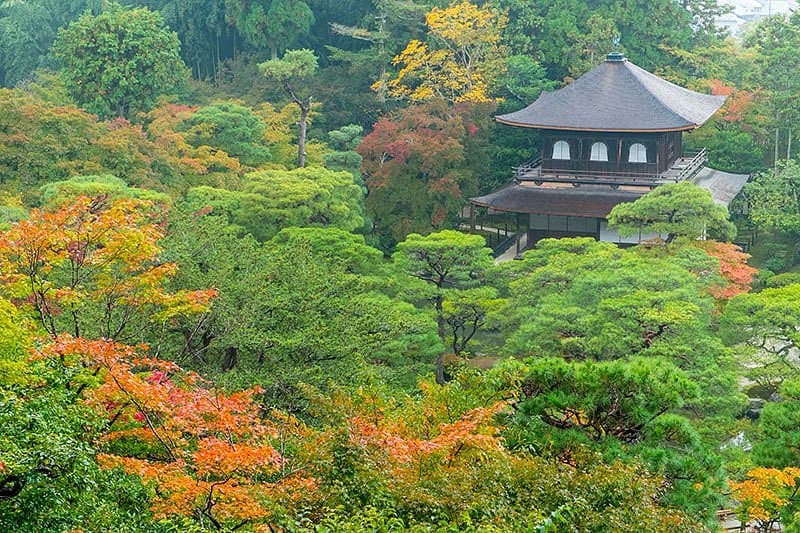
Ginkakuji Temple, officially known as Jishō-ji, is a Zen Buddhist temple in Kyoto, famously dubbed the "Silver Pavilion." Despite its name, the pavilion itself is not covered in silver, a detail that often surprises first-time visitors. It was originally built as a retirement villa for Shogun Ashikaga Yoshimasa in the late 15th century and later converted into a temple after his death. Ginkakuji is a prime example of Higashiyama Culture, embodying the Japanese aesthetic of wabi-sabi—a beauty of imperfection and transience—and is a UNESCO World Heritage site.
Visitors consistently highlight the temple's stunning gardens as its main draw, often finding them more impressive than the pavilion itself. The meticulously maintained grounds feature both a unique dry sand garden, known as the "Sea of Silver Sand" (Ginshadan) with its distinctive cone-shaped sand mound (Kogetsudai), and a lush moss garden with ponds, streams, and bridges. Many reviewers describe the atmosphere as peaceful, serene, and contemplative, especially when compared to the more crowded Kinkakuji (Golden Pavilion). The path through the garden includes a gentle uphill climb, rewarding visitors with beautiful views of the temple grounds and panoramic vistas of Kyoto city.
To make the most of your visit, plan to spend approximately 1 to 2 hours exploring the grounds. Arriving early in the morning, ideally right at opening time, is highly recommended to avoid large crowds and experience the temple's tranquility. Several visitors note that the temple can get very busy, especially with tour groups, so an early start allows for a more peaceful experience and better photo opportunities. Comfortable walking shoes are advisable, as the path involves some uneven surfaces and steps made of rocks. Don't forget to bring cash for the admission fee, as some places of worship in Japan may not accept card payments. Combining your visit with a stroll along the nearby Philosopher's Path is a popular and highly recommended itinerary, offering a seamless transition between two beautiful Kyoto attractions.
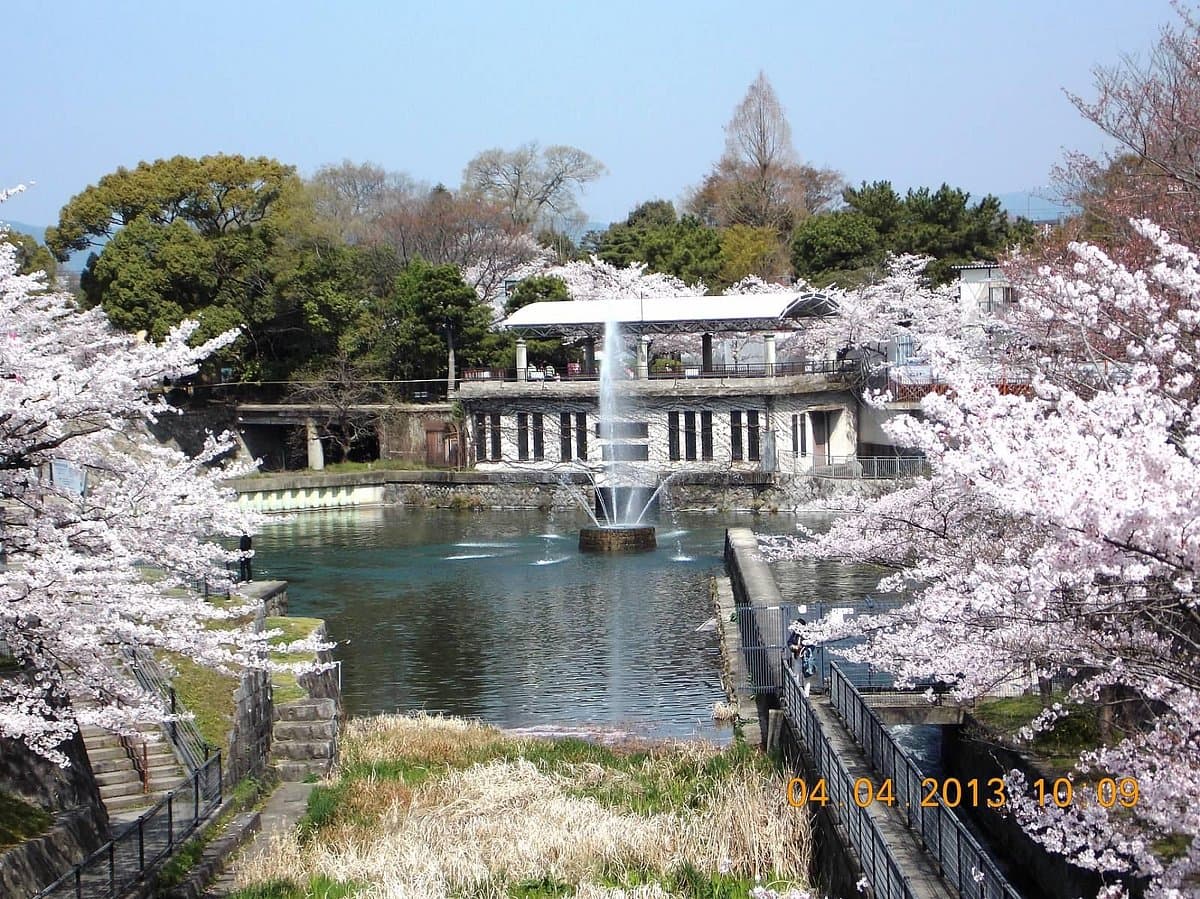
Ginkakuji Temple is easily accessible by Kyoto's public bus network. The nearest bus stop is Ginkaku-ji-michi, which is about a 10-minute walk from the temple entrance. Buses #5 or #17 from Kyoto Station will take you directly to this stop. The walk to the temple from the bus stop is pleasant, lined with small shops and cafes, perfect for picking up souvenirs or a quick snack. For those coming from other parts of Kyoto, a taxi can be a quicker option, especially if you are short on time or prefer to avoid public transport crowds. If you are walking the Philosopher's Path, Ginkakuji is conveniently located at its northern end, making it an ideal starting or ending point for the scenic walk.
A common complaint among some visitors is the initial disappointment that the "Silver Pavilion" is not actually silver, especially if they have just visited the opulent Golden Pavilion. To mitigate this, it's helpful to adjust expectations beforehand and appreciate Ginkakuji for its understated elegance and the profound beauty of its gardens, which are its true highlight. While the pavilion itself might seem modest, its historical significance and the artistry of its surrounding landscape offer a unique and deeply Japanese cultural experience.