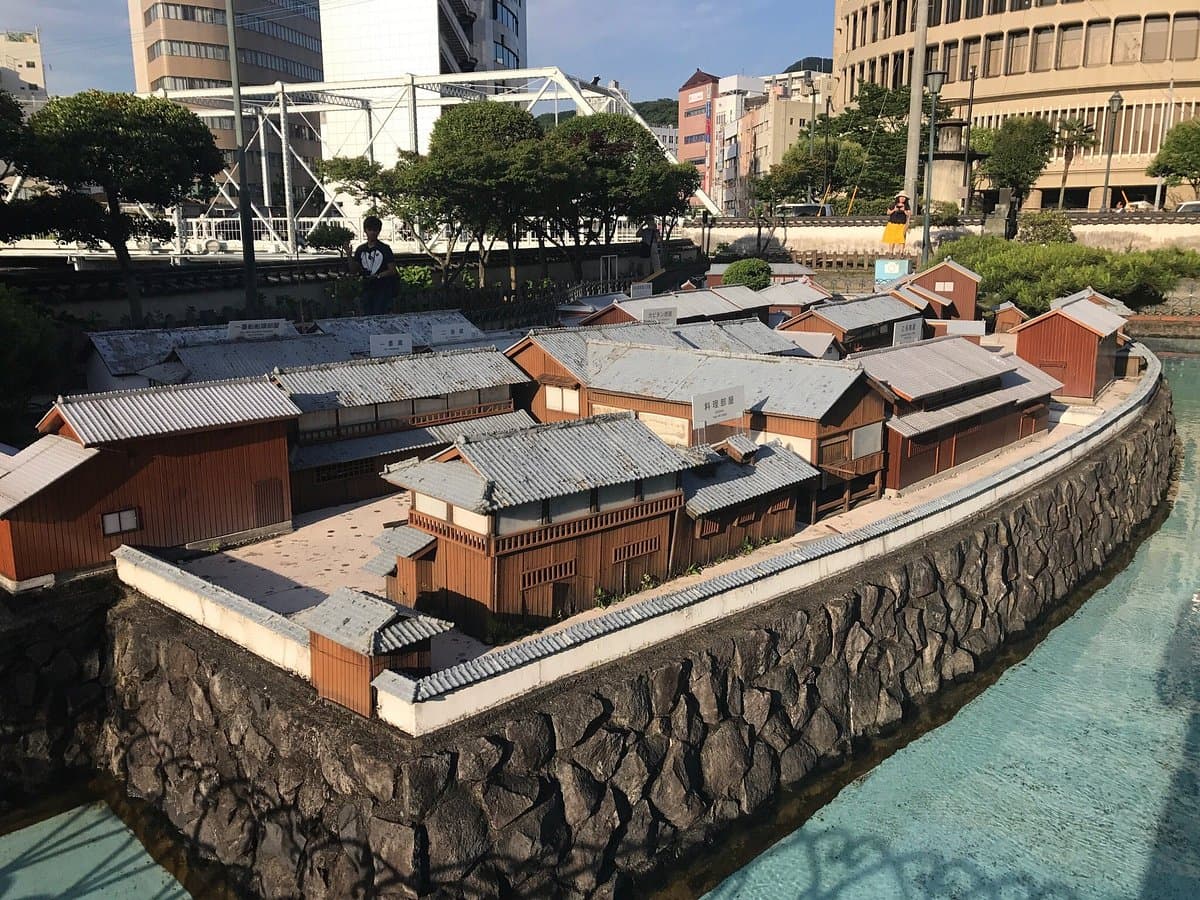
Dejima is a historically crucial site in Nagasaki, an artificial island built in the 17th century to house Portuguese traders and later, exclusively, the Dutch East India Company. For over 200 years during Japan's self-imposed isolation (Sakoku period), Dejima was the only official point of contact and trade between Japan and the Western world. Today, it stands as an open-air museum, meticulously reconstructed to reflect its appearance during the Edo period, offering visitors a unique insight into this pivotal era of Japanese history.
Visitors consistently praise the high quality and investigative nature of the restoration, noting that the reconstructed buildings, including residences, warehouses, and offices, provide an immersive experience. Many appreciate the detailed exhibits and explanations, often available in multiple languages, which help contextualize Dejima's significance. The opportunity to see a blend of Japanese and Western architectural styles and learn about the cultural exchange is a recurring highlight. Some reviewers particularly enjoy the 'living history' aspect, feeling transported back in time. However, a few visitors find the experience can be somewhat repetitive after an hour or so, as many buildings, while historically accurate, share similar layouts.
To make the most of your visit, allocate 1.5 to 2 hours to fully explore the complex. History enthusiasts might spend longer, delving into the detailed exhibits. Reviewers suggest visiting during cooler months or taking advantage of the air-conditioned buildings during hot summer days. Consider renting a kimono at Dejima Hoppen within the complex for a unique photo opportunity, as several visitors recommend this for enhancing the experience. While there are cafes and restaurants nearby, some advise seeking dining options in the back streets of Nagasaki for better quality. The gift shop is often highlighted for its high-quality, unique items, including cards and magnets.
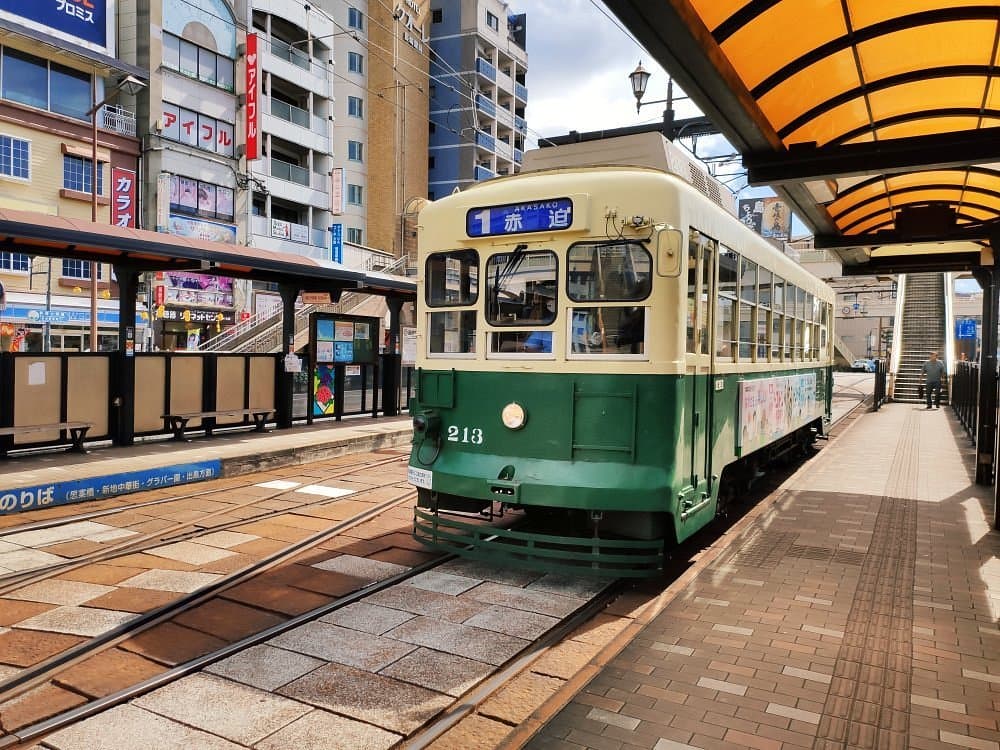
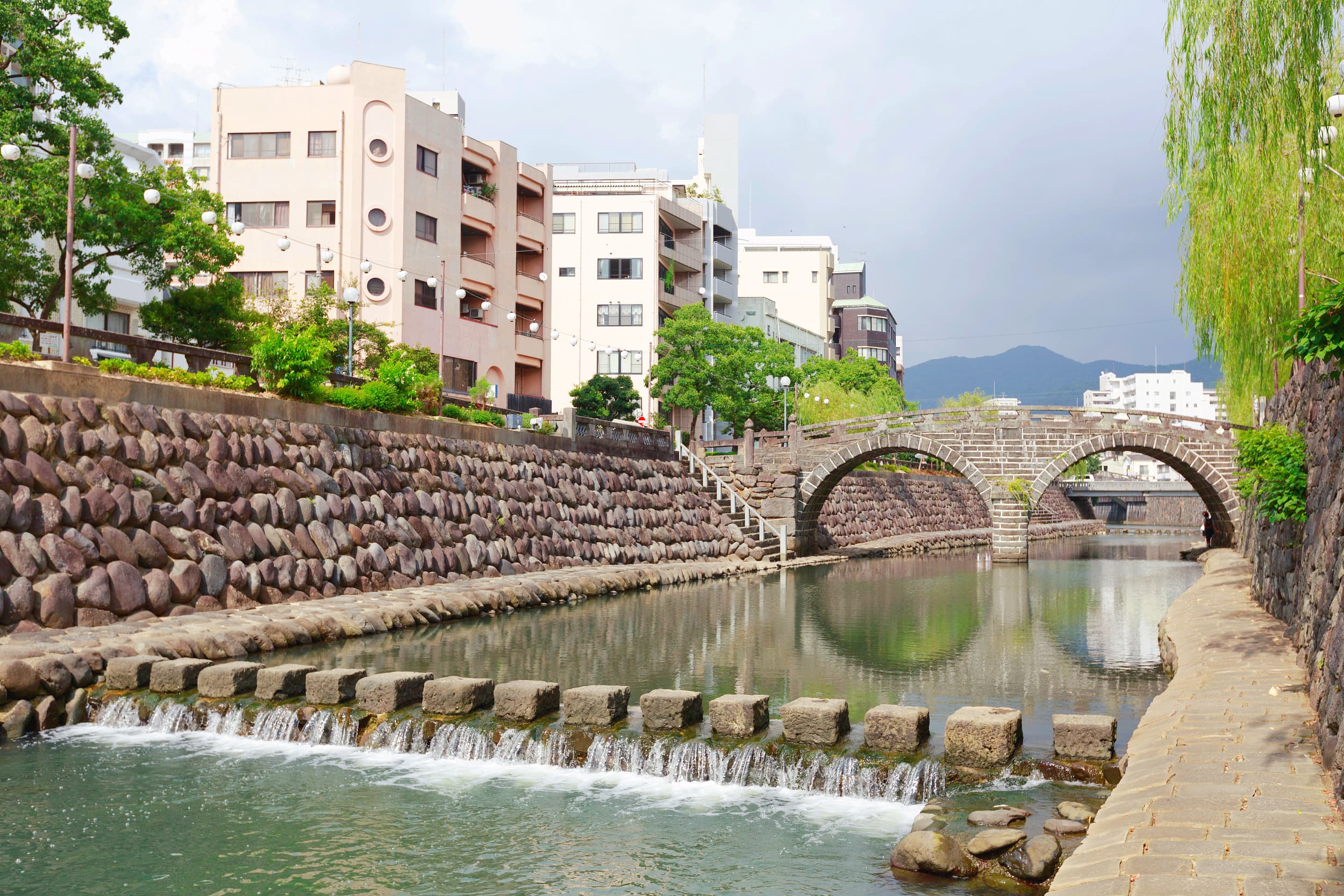
Dejima is conveniently located in downtown Nagasaki and is easily accessible by public transport. The most common way to reach it is by taking the tram to 'Dejima Station'. Upon alighting, visitors should cross the bridge over the river, then turn right and walk along the river to find the main entrance, which is often referred to as the Omotemon Bridge entrance. While the site is now surrounded by reclaimed land, its central location makes it a straightforward destination. Some older reviews mention multiple entrances, but the newly built bridge entrance is now the primary access point.
A common complaint among some visitors is the feeling that the site, despite its historical significance, can feel a bit like a 'movie set' or that the buildings, while restored, lack a certain authenticity for those expecting original structures. To mitigate this, approach Dejima with an understanding that it is a reconstruction designed to educate and illustrate, rather than a collection of untouched original buildings. For those with limited time or less interest in detailed historical exhibits, focusing on the main buildings and the overall atmosphere might be sufficient, as some reviewers felt satisfied within an hour.