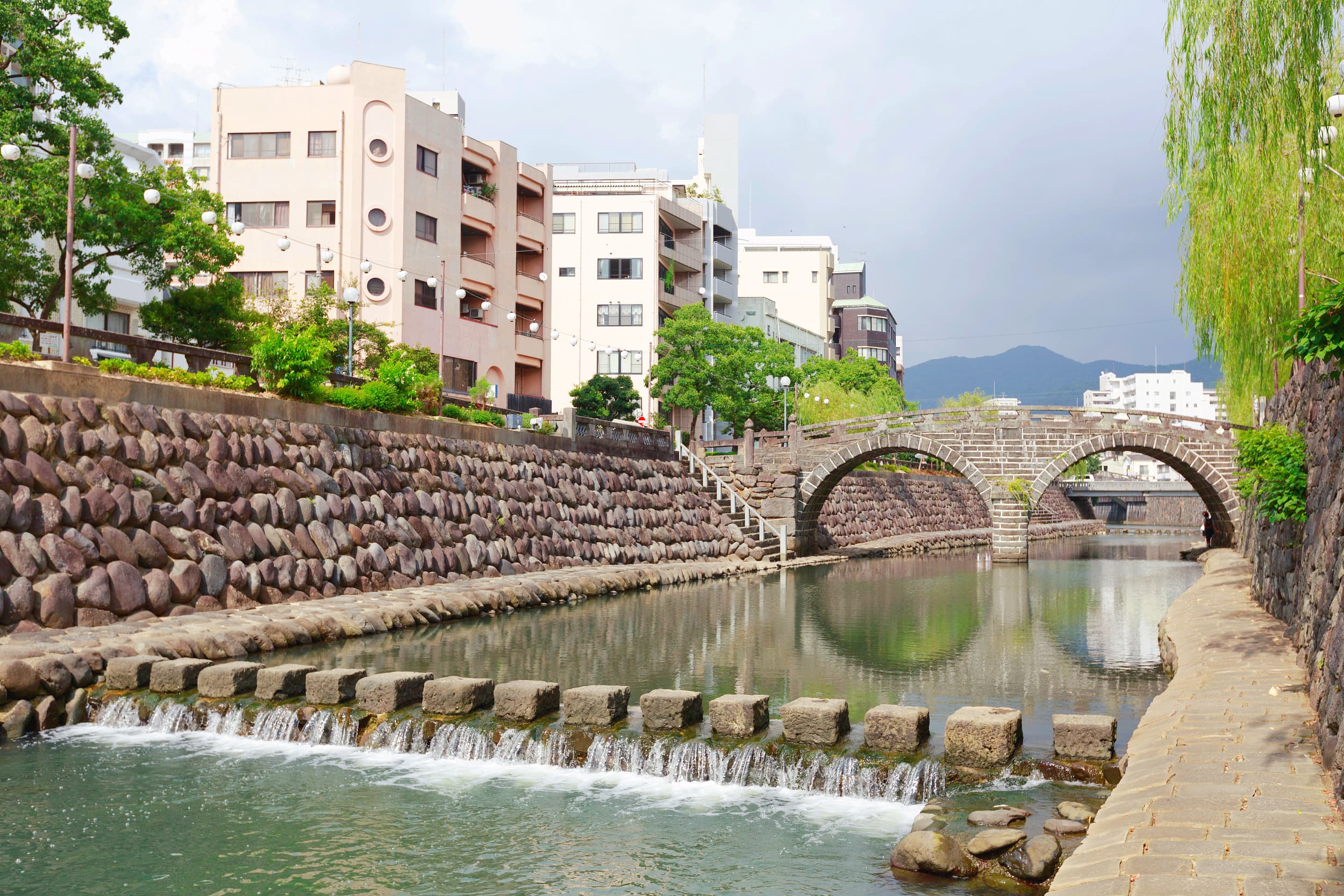
The Megane Bridge, affectionately known as the "Spectacles Bridge," is a historically significant double-arch stone bridge spanning the Nakajima River in Nagasaki. Constructed in 1634 by the Chinese monk Mokusun Jōshō, it holds the distinction of being Japan's first stone arch bridge. Its unique design, where the two arches and their reflection in the calm river water create the illusion of a pair of spectacles, has made it a beloved landmark and a symbol of Nagasaki's rich cultural exchange with China during the Edo period.
Visitors consistently praise the bridge for its picturesque scenery, especially on sunny days when the reflection is clearest. Many reviewers highlight the enjoyable activity of searching for the numerous heart-shaped stones embedded along the riverbanks and walls, which adds a playful element to the visit. The area around the bridge is described as clean and well-maintained, offering a pleasant environment for a leisurely walk. Some visitors note its appearance in Japanese TV dramas and anime, adding to its cultural appeal.
To fully appreciate the Megane Bridge, visitors recommend spending about 30 minutes to an hour. The best time to visit is during daylight hours, particularly on a clear day, to capture the iconic "spectacles" reflection. Bringing a camera is highly recommended for photos. The search for heart-shaped stones can be a fun activity for all ages, so keep an eye out for them. While the bridge itself is open 24/7, the surrounding park and shops might have specific hours.
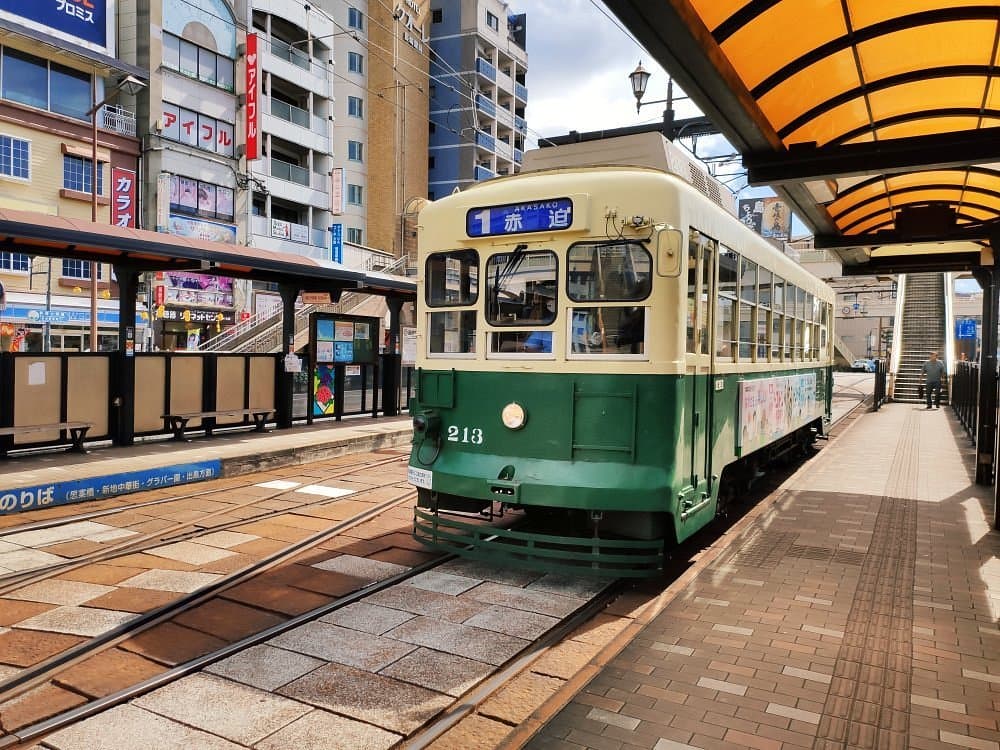
The Megane Bridge is conveniently located in Nagasaki City and is easily accessible. Many visitors suggest using the tram system; the nearest tram stop is Public Hall (Kokaido-mae) or Suwa-jinja Shrine, both within a short walking distance. From Nagasaki Station, it's a straightforward tram ride. The bridge is also part of a larger group of 20 ancient bridges along the Nakajima River, making it a good starting point for exploring the area on foot. Parking can be limited in the city center, so public transport is generally the preferred option.
Common complaints are rare, but some visitors mention that the bridge might be smaller than expected or that the "spectacles" effect is only visible from specific angles and under ideal water conditions. To mitigate this, ensure you walk along both sides of the river and look for viewpoints that offer the best reflection. Visiting on a calm, sunny day will maximize your chances of seeing the full effect.