Fukusai-ji Temple, originally established in 1628, stands as a powerful symbol of resilience and remembrance in Nagasaki. While the original structure was destroyed by the atomic bomb in 1945, the current temple, rebuilt in 1976, boldly blends traditional Zen Buddhist principles with a distinctive modern aesthetic. Its unique architecture, featuring a giant aluminum Kannon statue on a turtle-shaped building, makes it a notable landmark.
Visitors often praise the temple's striking appearance and the serene atmosphere despite its modern construction. The interior, which functions as a memorial and burial site for over 16,000 WWII casualties, is frequently described as moving and thought-provoking. The presence of one of the world's largest Foucault's Pendulums, suspended from the Kannon figure, is a particular point of interest for many, adding an unexpected scientific element to the spiritual space. Reviewers appreciate the blend of history, art, and science found within its walls.
To make the most of a visit, allocate approximately 1 to 2 hours. The temple is generally less crowded in the mornings, allowing for a more contemplative experience. While there are no specific items to bring, comfortable shoes are always advisable for exploring temple grounds. Visitors suggest focusing on the unique architectural details from the outside and taking time to reflect on the memorial aspects and the Foucault's Pendulum inside.
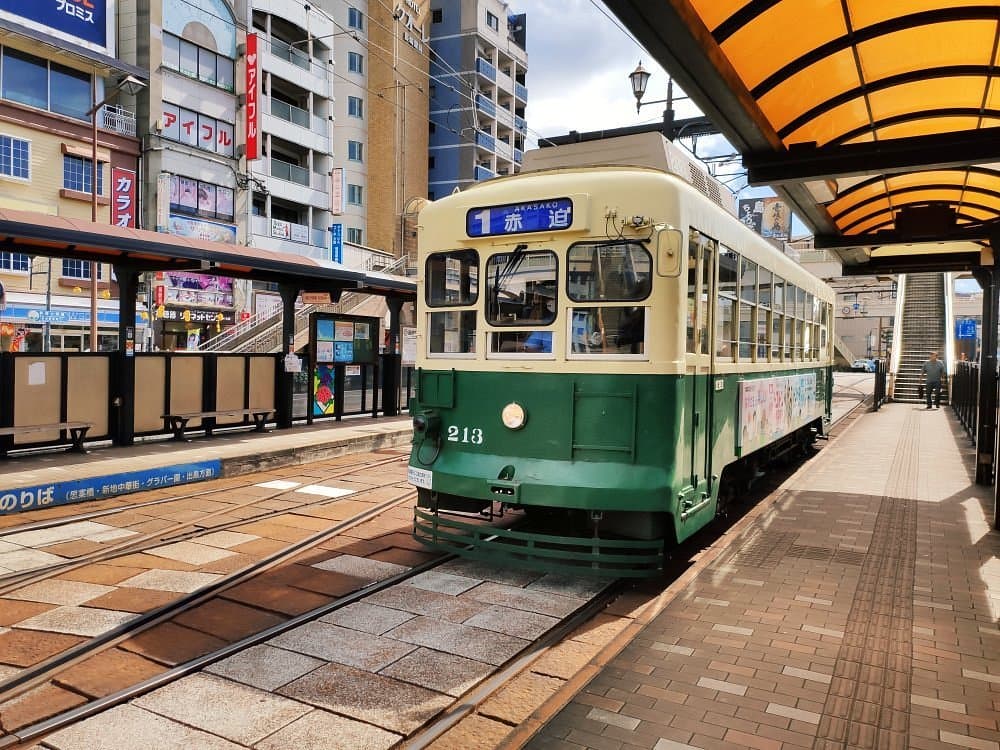
Fukusai-ji Temple is accessible via public transport. It is located a short walk from the Fukusai-ji-mae tram stop on the Nagasaki Electric Tramway (lines 1 and 3). From Nagasaki Station, visitors can take either tram line and alight at Fukusai-ji-mae. The temple is visible from the tram stop, making it easy to find. Driving is also an option, though parking availability might be limited in the immediate vicinity.
Common complaints are rare, but some visitors might find the modern architectural style less 'traditional' than expected from a Japanese temple. However, this unique design is precisely what makes Fukusai-ji stand out. Those expecting ancient wooden structures should adjust their expectations to appreciate its distinct contemporary interpretation of a temple.