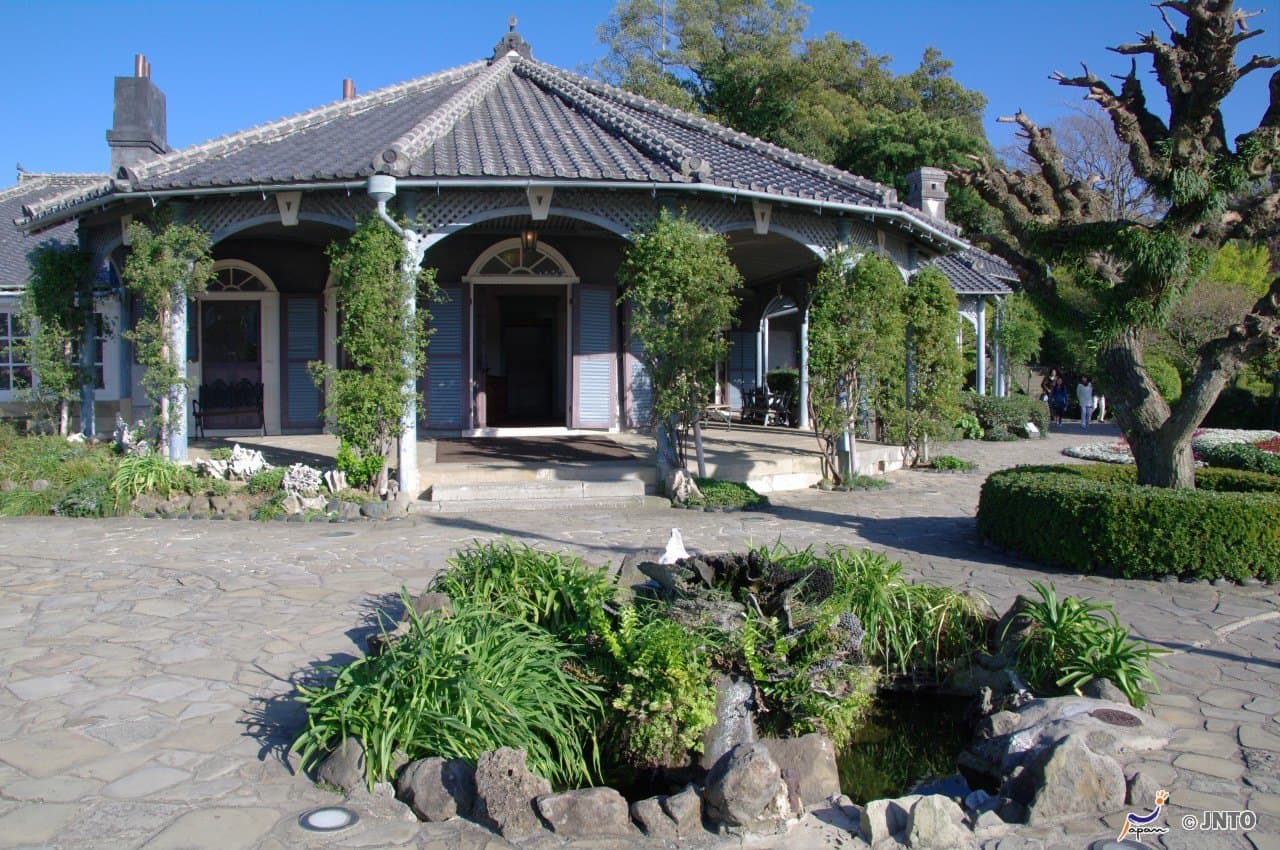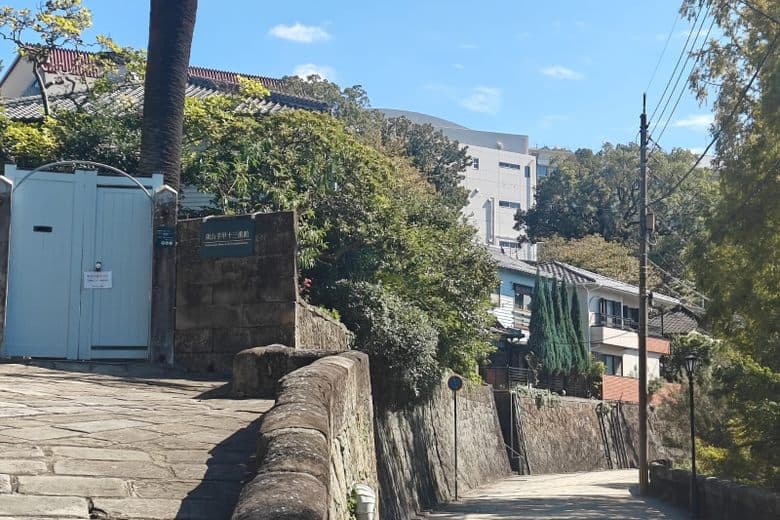
The Dutch Slope, or Oranda-zaka, is a historically significant area in Nagasaki, marking one of the first designated settlements for foreign merchants after Japan opened to trade in the 19th century. Despite its name, none of the buildings were constructed by or for the Dutch; the term 'Dutch' became synonymous with 'Westerner' during Japan's period of isolation. This area functioned as an enclave where Western laws were followed, housing some of Japan's oldest Western-style residences, including the former American consulate. Its importance lies in its representation of Japan's early interactions with the West.
Visitors consistently praise the historical atmosphere and the unique architecture of the old Western houses. Many appreciate the quiet, residential feel of the area, offering a glimpse into a different era of Nagasaki's past. However, a recurring theme in reviews is the sense of disappointment, with some visitors finding the slope less impressive than anticipated, especially when compared to more elaborate attractions like Glover Garden. The primary complaint revolves around the lack of overt 'Dutch' elements and the overall understated nature of the site, which can lead to it being perceived as merely a street with old buildings.
To make the most of your visit, consider combining it with other nearby historical sites in Nagasaki. A leisurely stroll of about 30-60 minutes is usually sufficient to explore the main area. It's best visited during daylight hours to appreciate the architecture. Most buildings are open to the public on weekdays and weekends, though some may be closed for private events, so checking local schedules beforehand is advisable. There are no specific items to bring, but comfortable walking shoes are always recommended for exploring Nagasaki's hilly terrain.
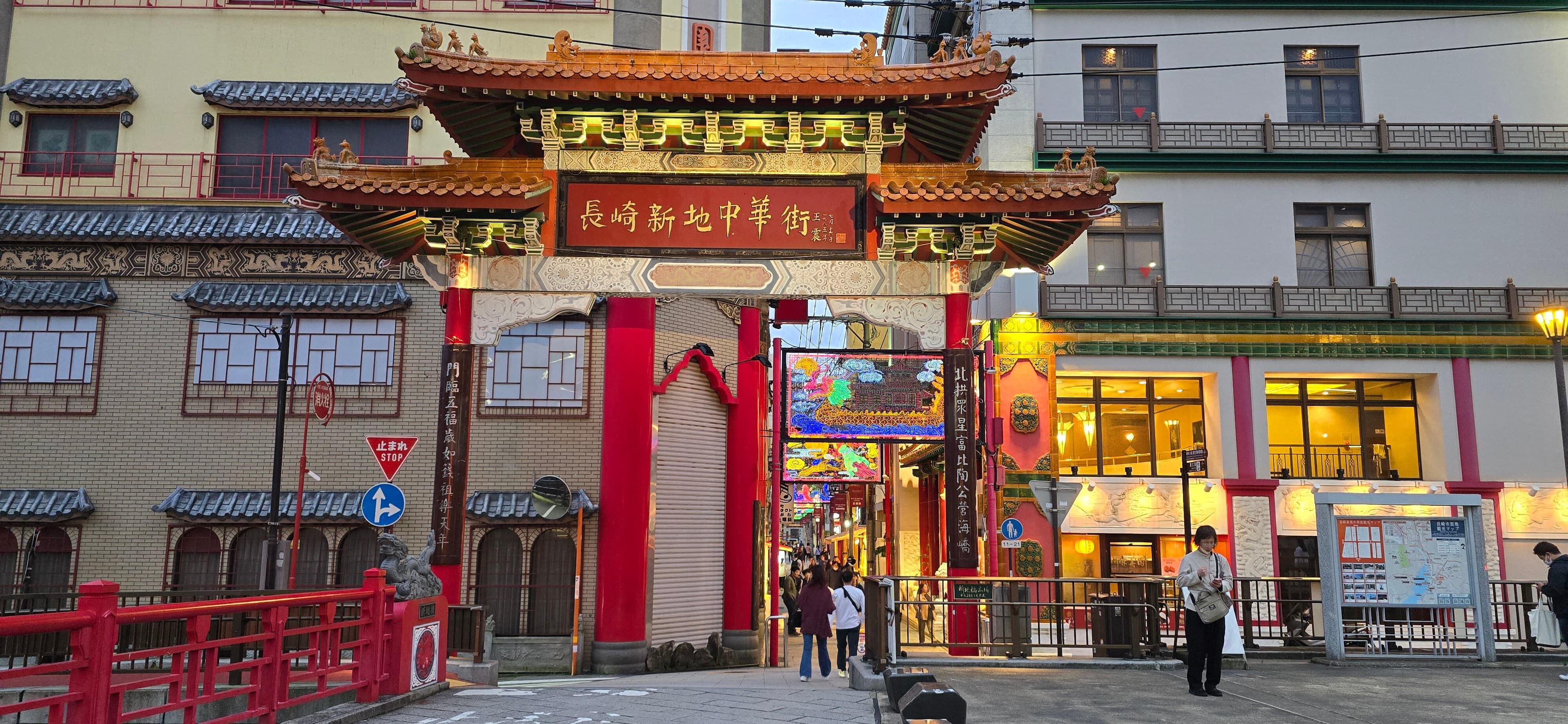
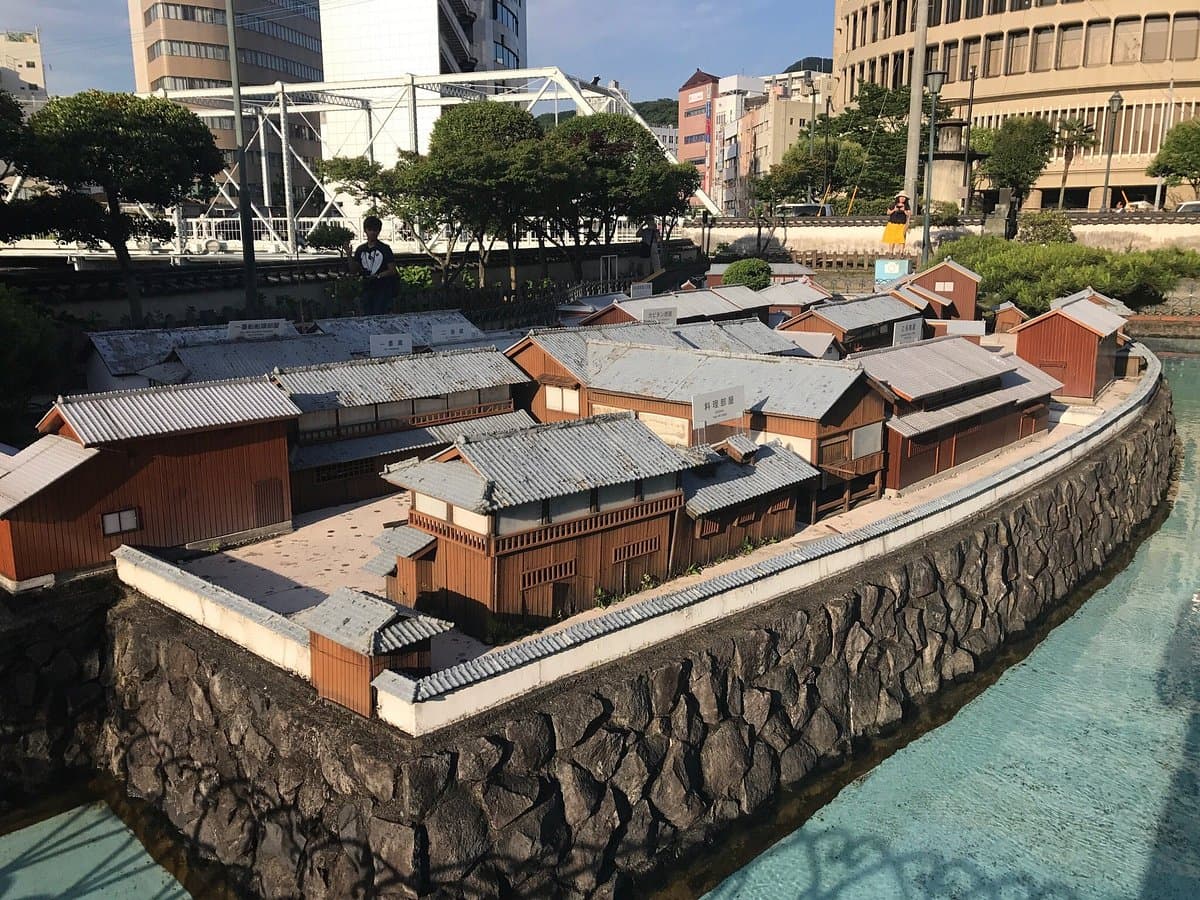
The Dutch Slope is easily accessible within Nagasaki. It is located a short walk from the Shinchi Chinatown tram stop, which is served by several tram lines. Alternatively, it's a pleasant walk from other central attractions like Dejima. Driving is generally not recommended due to limited parking and the pedestrian-friendly nature of the area. Public transportation, particularly the tram system, is the most convenient way to reach the site.
The most common complaint is the site's perceived lack of grandeur or distinctiveness, leading to it being dubbed one of Japan's 'most disappointing sights' by some. To mitigate this, adjust your expectations: view it as a historical street with charming old houses rather than a major, dramatic landmark. Focus on the architectural details and the historical context rather than expecting a vibrant, 'Dutch-themed' experience. Understanding its role in Japan's history of foreign relations can enhance appreciation.