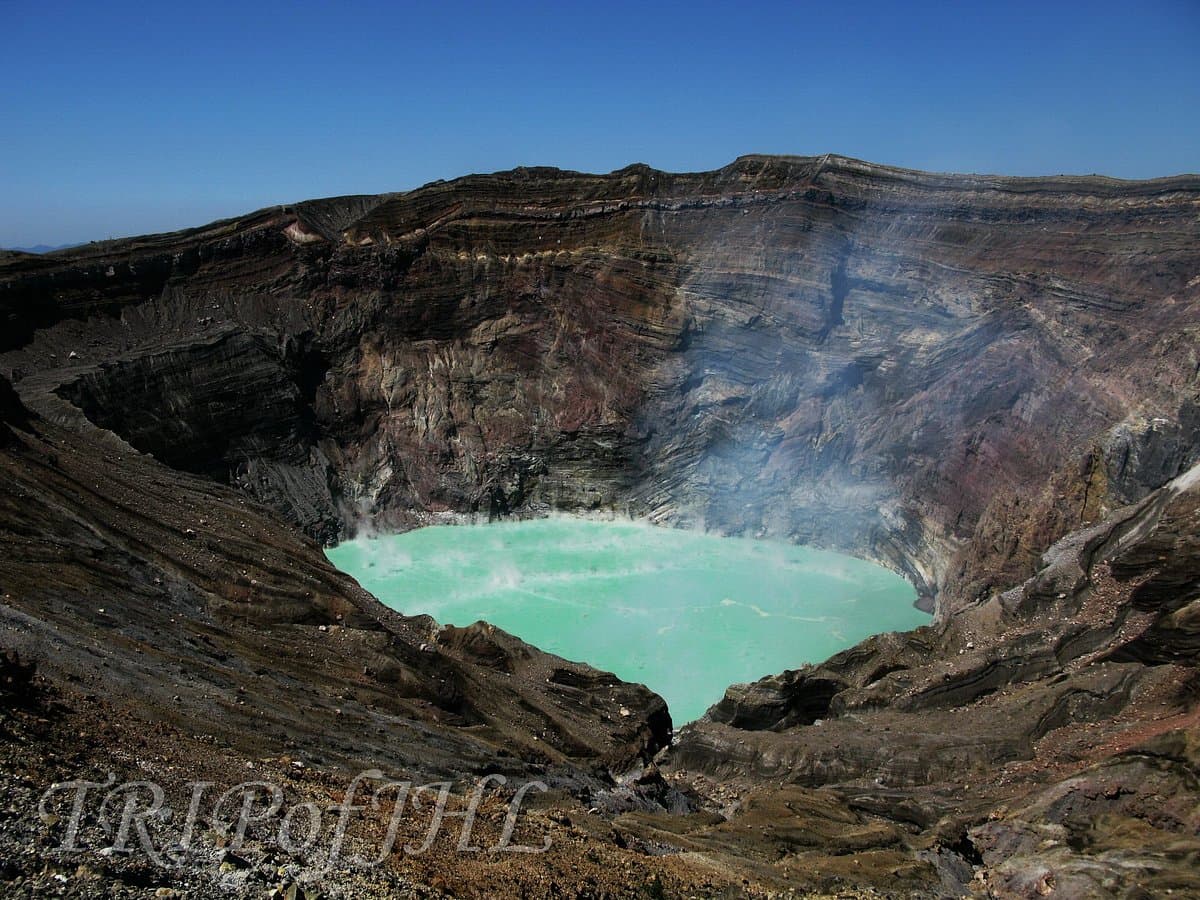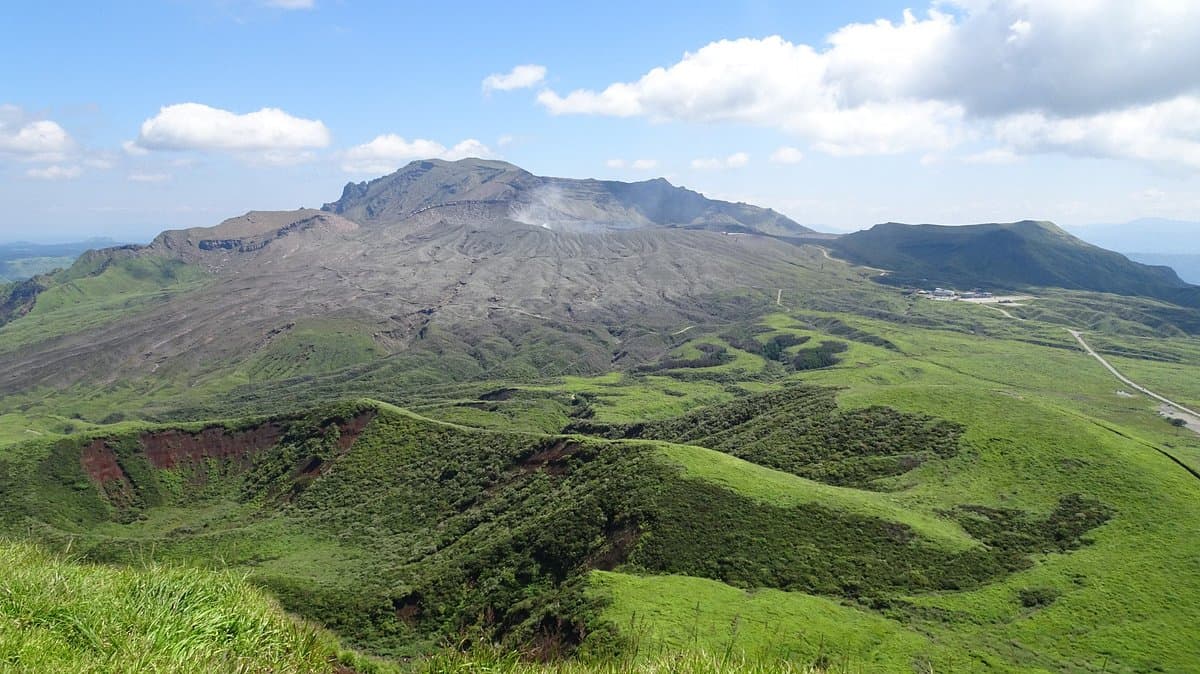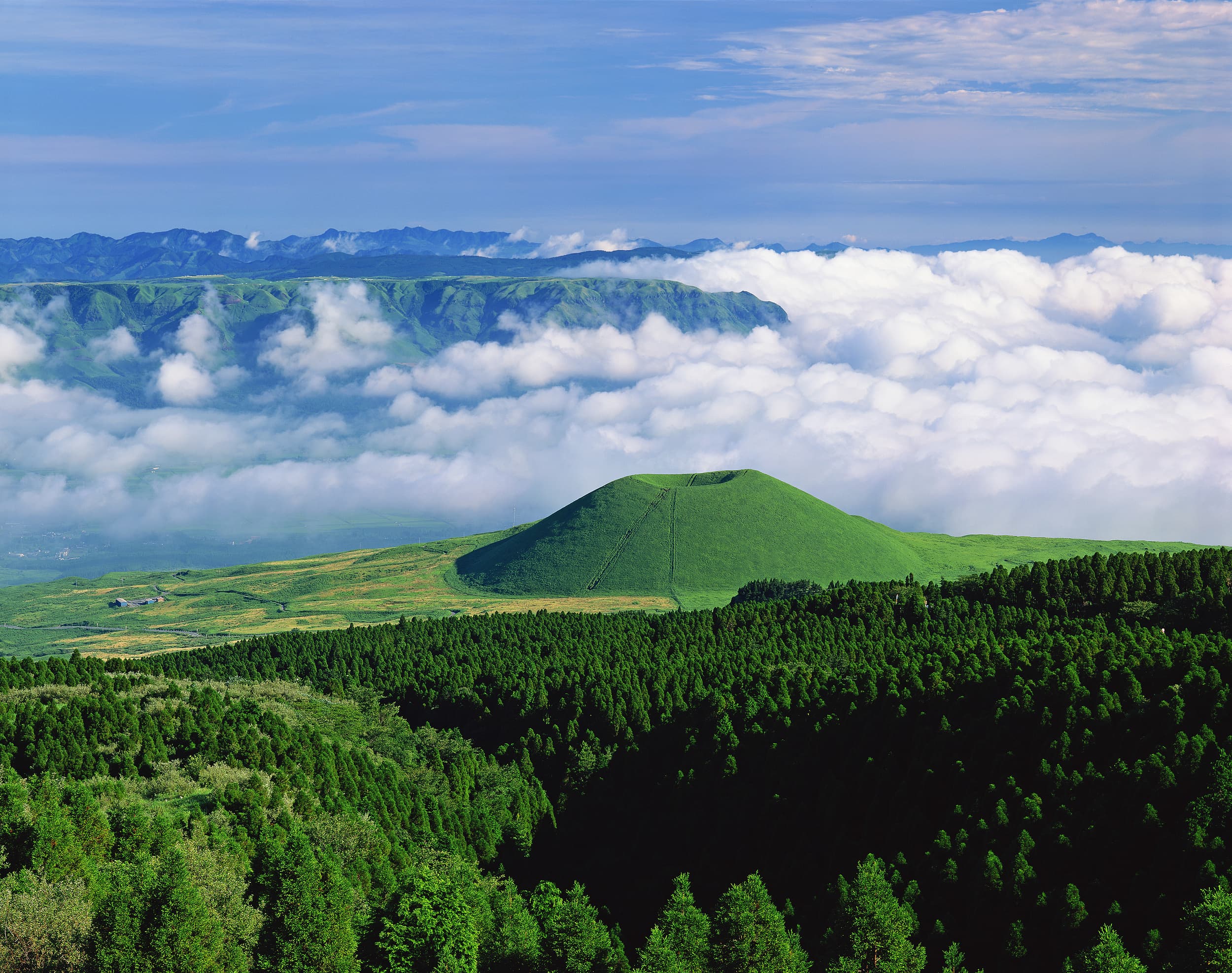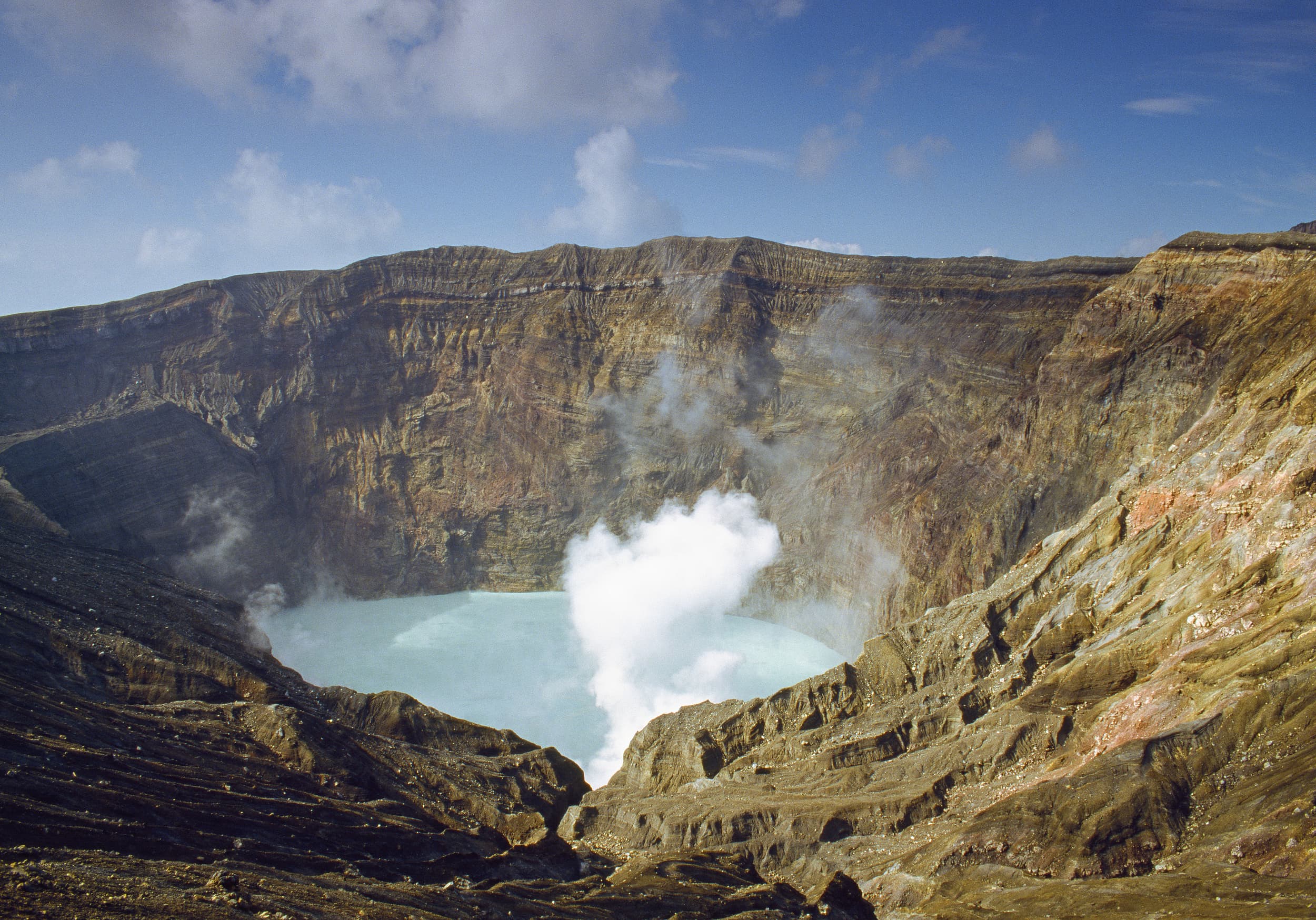
Aso Nakadake Crater 1 is a prominent active volcano within the Mount Aso complex, one of Japan's largest and most active volcanic groups. It is a significant geological site, offering visitors a rare opportunity to observe an active crater up close, with its characteristic white smoke and exposed rock formations. The dynamic nature of the volcano means that access is often restricted, making a successful visit a memorable and often praised experience.
Visitors consistently praise the unique and awe-inspiring views, describing the experience as "one of a kind" and "breathtaking." Many highlight the dramatic sight of thick smoke emanating from the crater and the vast, otherworldly landscape. The feeling of being so close to an active volcano is frequently cited as a major draw. However, a recurring theme in reviews is the uncertainty of access; many visitors note that whether you can see the crater depends heavily on weather conditions, air quality, and the volcano's activity level. Some describe being turned away due to volcanic gas or poor visibility, emphasizing the element of luck involved in a successful visit.
For a rewarding visit, it is crucial to check the latest access information before heading out, as conditions can change rapidly. Reviewers suggest allocating 1-2 hours for the crater area itself, though trekking around the back of Mount Aso can extend this to 4-5 hours. Dress in layers, as it can be windy and cool even on warm days, and be prepared for sudden weather changes. Some visitors recommend bringing a mask if you are sensitive to sulfur smells, which are often present. Consider visiting in the morning for potentially clearer views, though luck plays a significant role regardless of the time of day. While the transportation costs can be high, many reviewers feel the experience is worth it.
Reaching the crater typically involves a combination of bus and sometimes walking. While a cable car historically provided access, it was damaged and is no longer in operation. Visitors now primarily rely on buses from the Aso Sanjo Terminal, which can drive directly to the crater area if conditions permit. Some reviewers mention driving their own cars to the parking area near the crater. Public transport options from wider areas of Kumamoto Prefecture to the Aso region are available, but the final leg to the crater often requires local buses or private vehicles. Be aware that bus schedules can be infrequent, as noted by some visitors, so planning your return journey is essential.
The most common complaint revolves around the unpredictable access. Visitors express disappointment when they travel to the site only to find the crater closed due to gas emissions, poor visibility, or adverse weather. To mitigate this, always check official websites and local information centers for real-time updates on crater access and air quality before departing. Having a backup plan, such as visiting the Aso Volcano Museum, Kusasenri-no-Hama Grassland, or Aso Shrine, can help ensure your trip to the Aso region is still fulfilling even if crater access is denied.