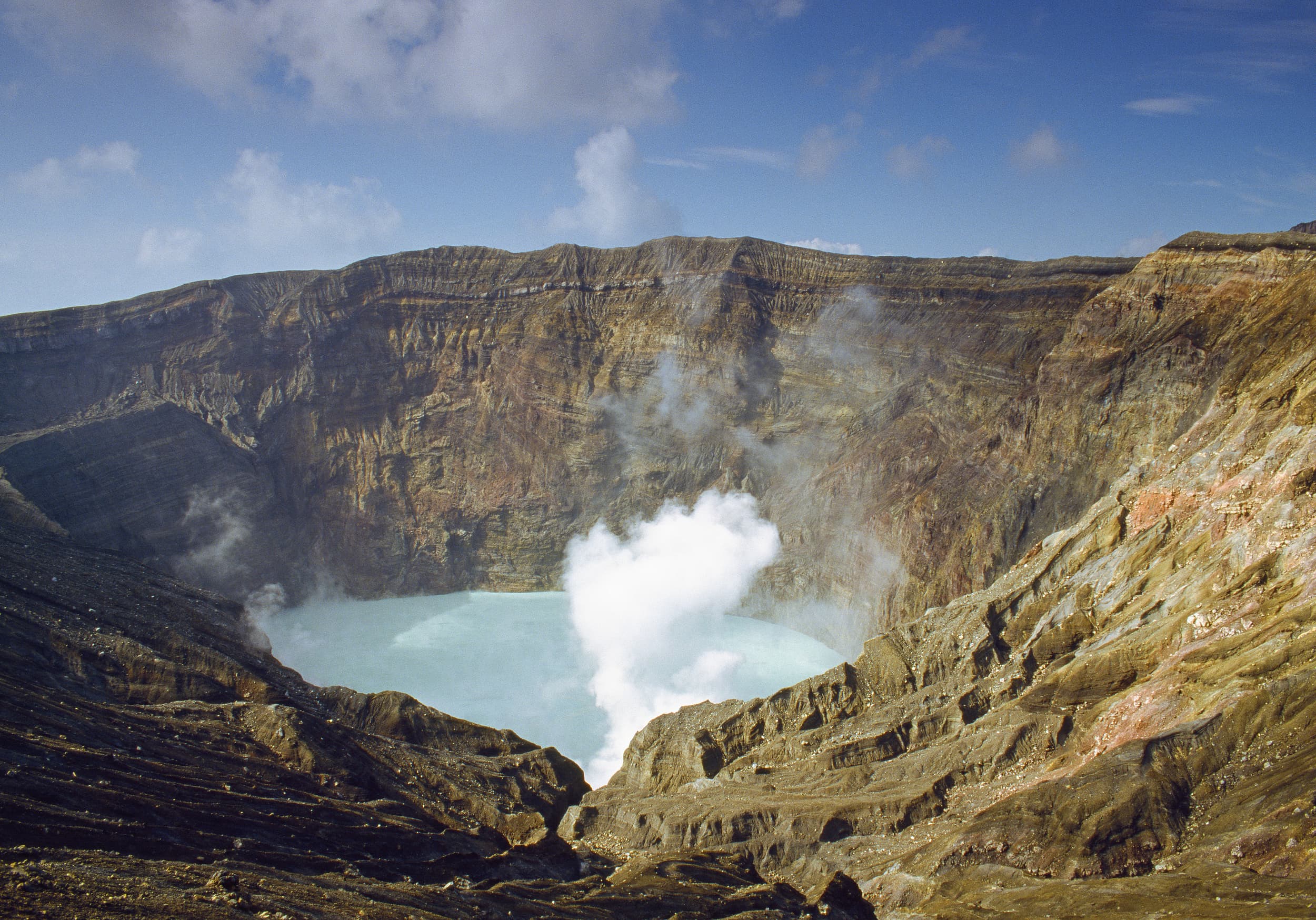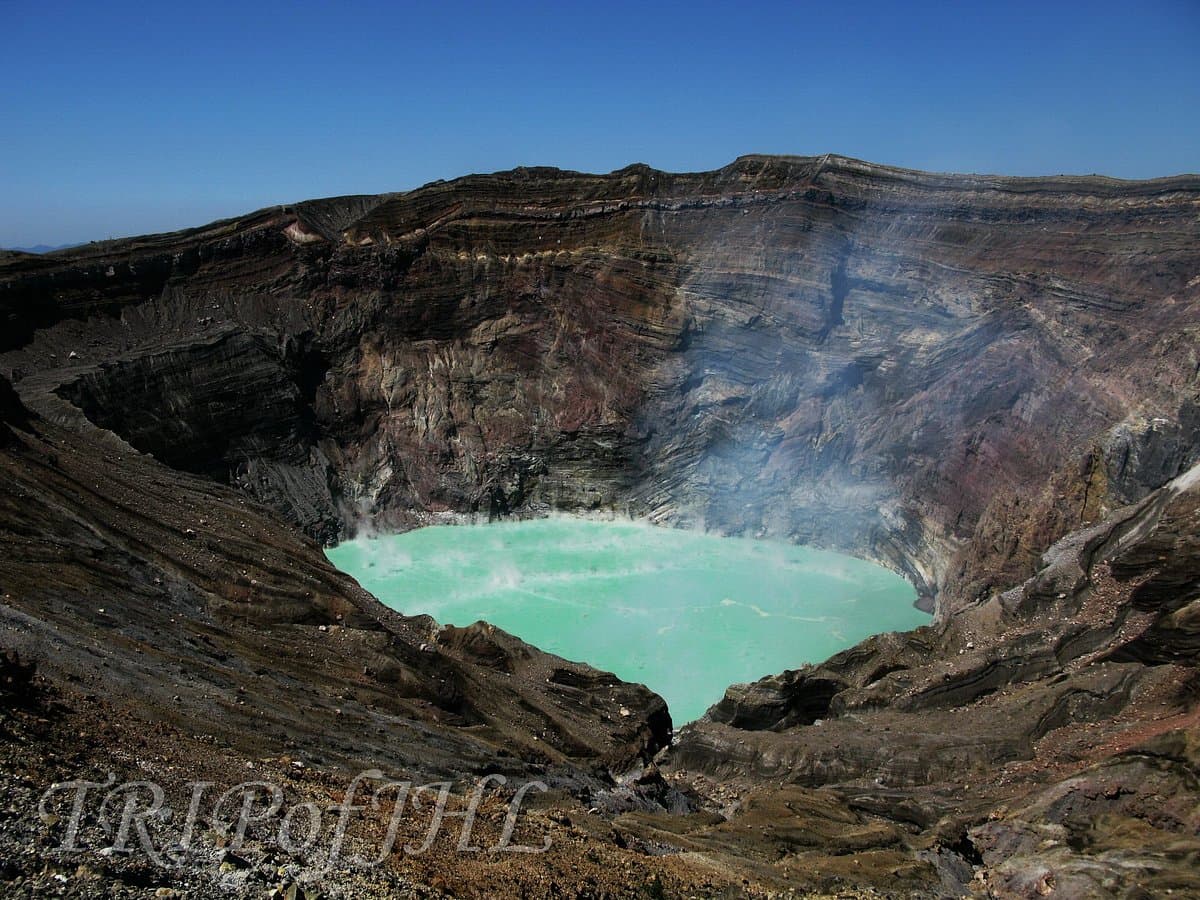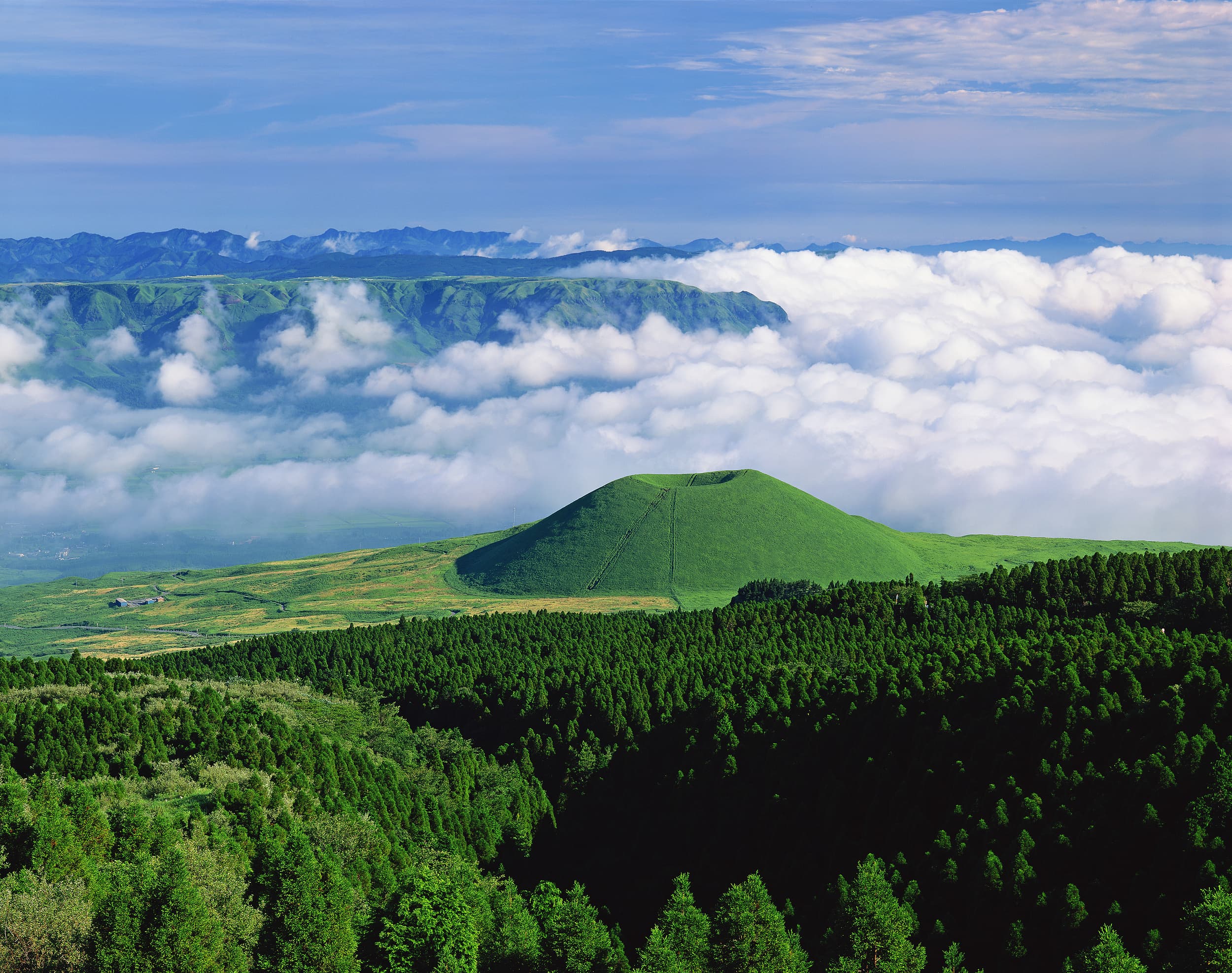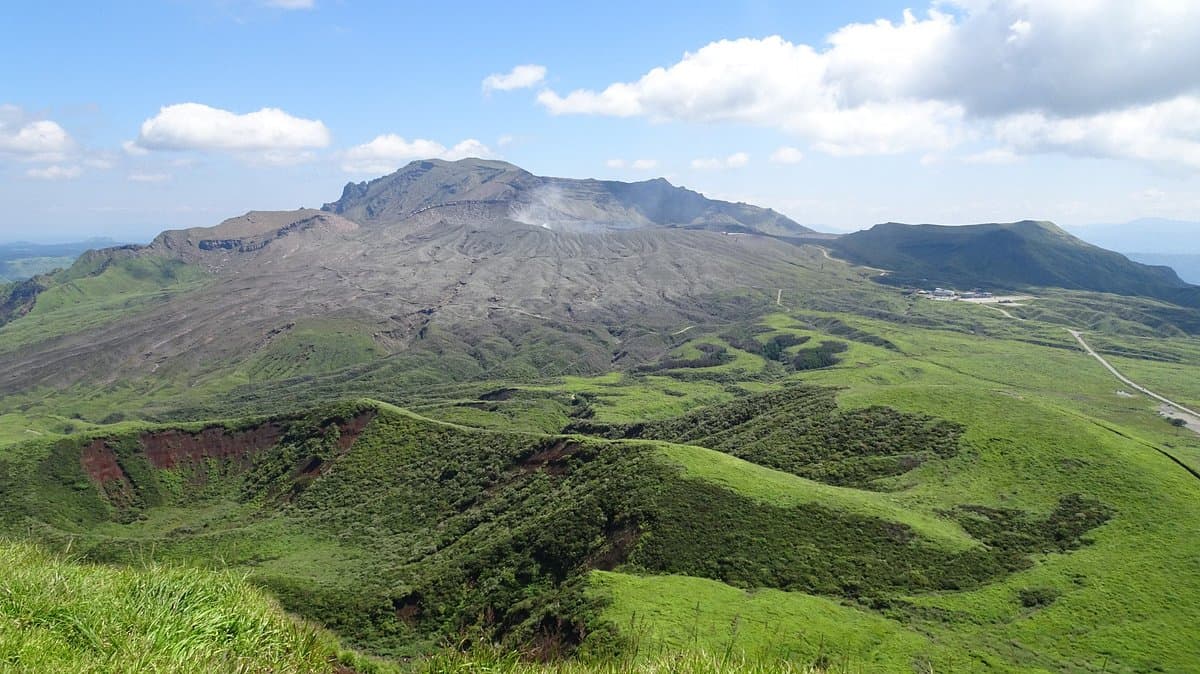
Aso Geopark encompasses the magnificent Aso Caldera, one of the largest in the world, and its active volcano, Mount Nakadake. This area is a testament to the Earth's dynamic geological processes, offering visitors a rare chance to observe an active volcano up close (when conditions permit) and explore a landscape shaped by millennia of volcanic activity. It's a place where the mystery and power of the Earth are palpable, making it a significant destination for those interested in natural wonders and geology.
Visitors consistently praise the spectacular, surreal landscapes and the unique experience of being near an active volcano. Many describe the drive through the geopark as scenic, with vast plains, grazing animals, and stunning mountain views. The visitor center is often highlighted for providing good context on the area's volcanic nature, along with essential facilities. Reviewers frequently mention the impact of seeing the volcano puffing smoke and the impressive scale of the caldera. However, a recurring theme is the unpredictable nature of access to the main crater; volcanic activity and weather conditions frequently lead to closures, which can be disappointing for those who travel specifically to see the crater lake.
To make the most of a visit, it's crucial to check the volcano's status and weather conditions beforehand. Websites like http://www.aso.ne.jp/~volcano/en are recommended for real-time updates. Reviewers advise bringing a face mask due to sulfur fumes, even if the crater is open, and sufficient clothing as temperatures can be colder at higher elevations. Many suggest allocating at least 2-3 hours to explore the main areas, including the visitor center and viewpoints. If the main crater is inaccessible, exploring other geosites like Kusasenrihama or Daikanbo, or enjoying the scenic drives and hiking paths, are still highly recommended. Some visitors found the museum interesting, particularly its projection mapping, but others felt it was skippable if time or budget was limited.
Getting to Aso Geopark typically involves a combination of train and bus. From Aso Station, local buses run to the main attractions within the geopark, including Kusasenri and the ropeway station (though the ropeway itself is often closed). Timetables are available at the Aso Station info office. Driving is highly recommended by many visitors, as it offers flexibility to explore the vast area and its various viewpoints at one's own pace. Parking is available, often for a fee (around 410-500 JPY). Be aware that GPS navigation might lead to disrupted roads due to past earthquake damage, so it's wise to consult local maps or information centers.
The most common complaint is the inability to access the main crater due to volcanic activity or adverse weather. To mitigate this, always check the latest information before heading out. If the crater is closed, focus on the broader geopark experience: the scenic drives, hiking trails, and other geosites offer plenty of natural beauty and geological interest. Some visitors also note that food options at the visitor centers can be limited, particularly for those not keen on curry, so bringing snacks or planning meals elsewhere might be beneficial.