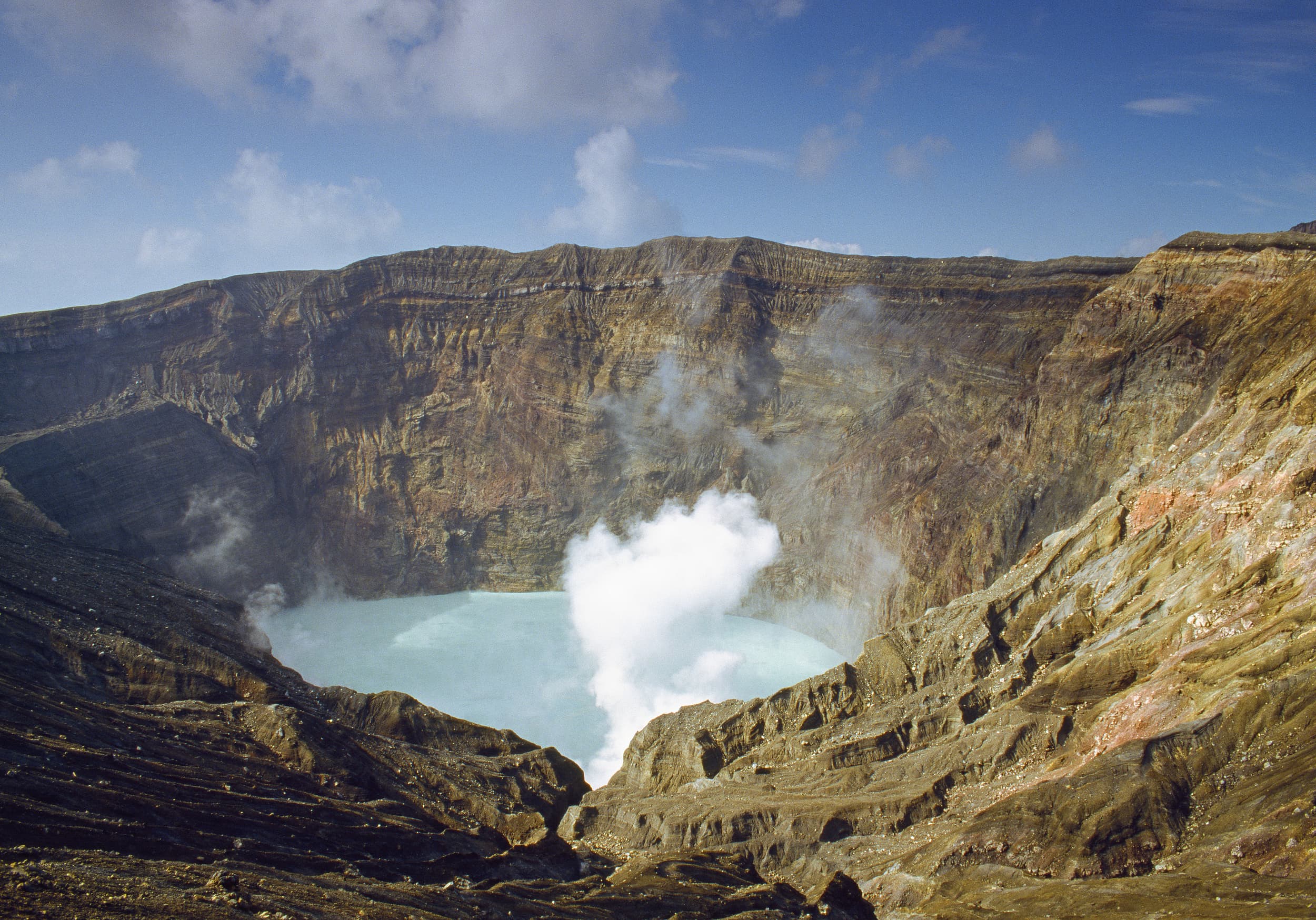
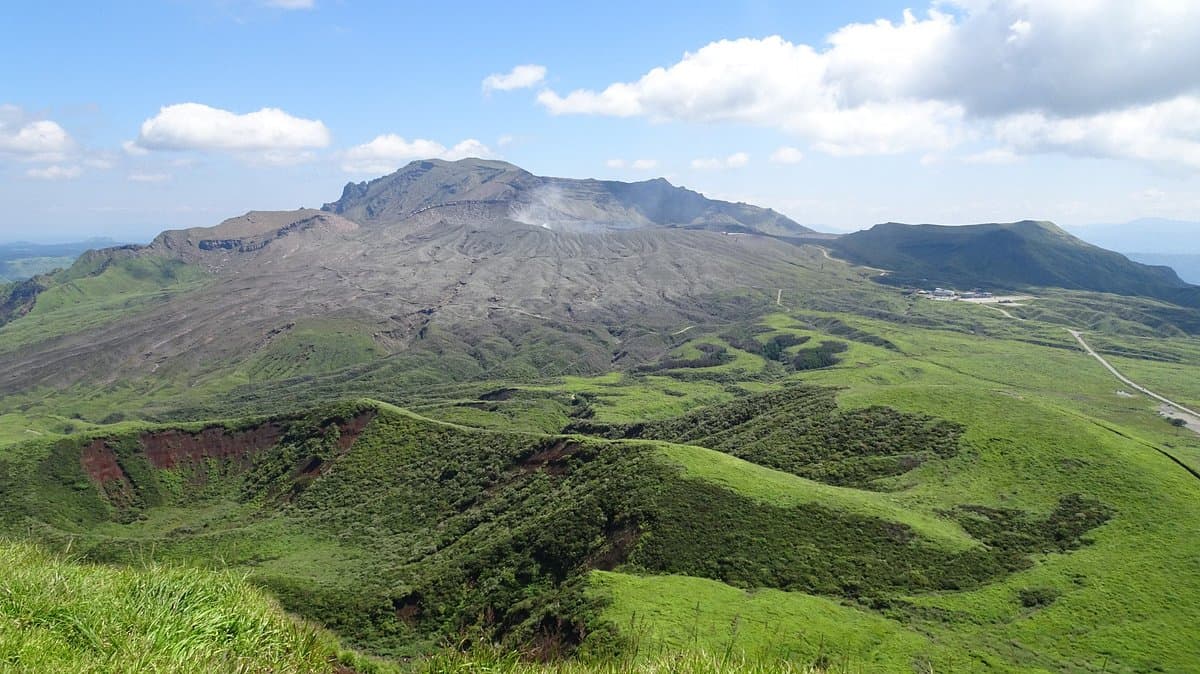
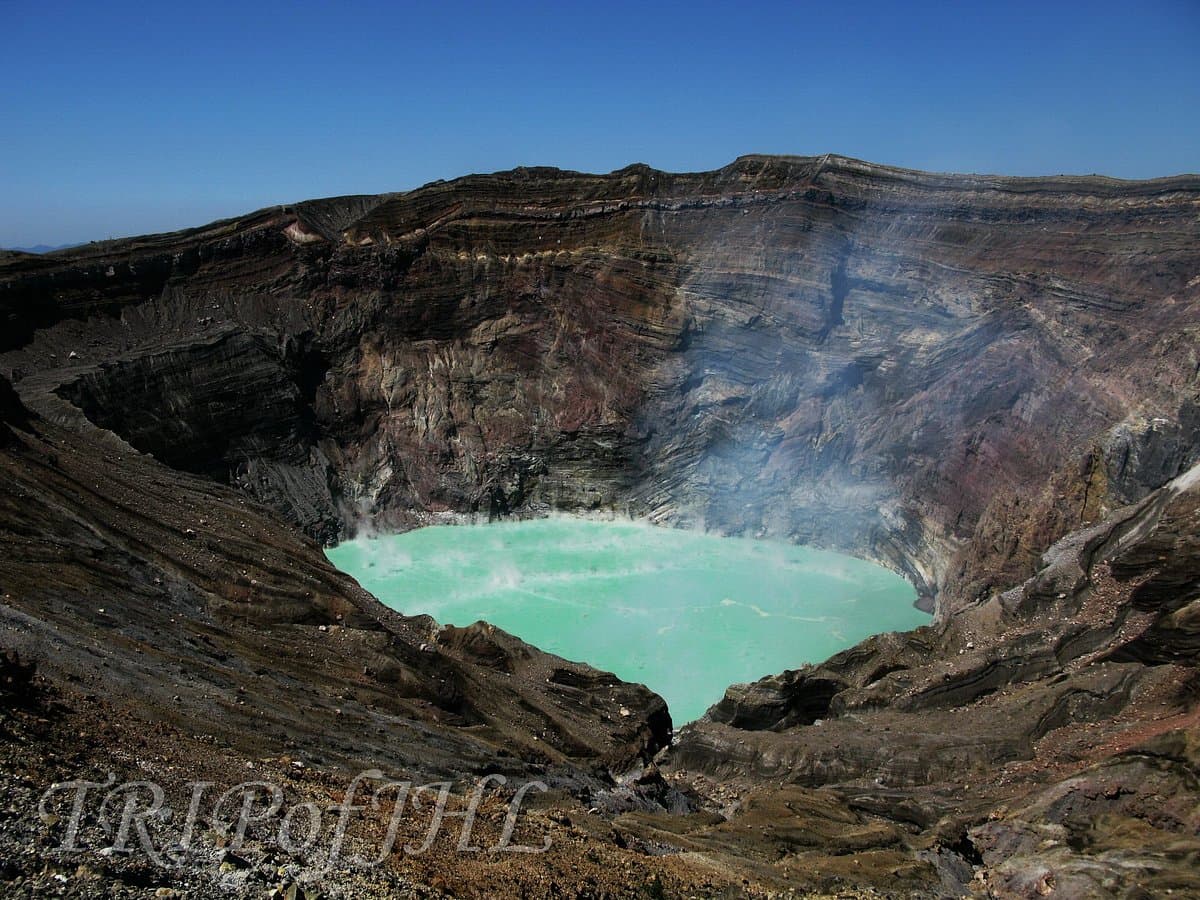
Mount Aso Caldera is a geological marvel, recognized as one of the largest volcanic calderas globally. This immense depression, formed by ancient eruptions, is so vast that it contains an entire city, Aso, along with several peaks, including the currently active Mount Naka (Nakadake). It stands as a testament to the powerful forces of nature and offers a rare opportunity to observe an active volcano up close.
Visitors consistently praise the dramatic views of Mount Naka's smoking, steaming, and sometimes churning crater. The sheer scale of the caldera, with its surrounding peaks and the city nestled within, often leaves a lasting impression. Reviewers frequently highlight the unique experience of being so close to an active volcano, noting the strong sulfur smell as a characteristic part of the visit. The presence of concrete bunkers near the crater, though of questionable efficacy, serves as a stark reminder of the volcano's active nature and adds to the sense of adventure.
For a rewarding visit, it is advisable to check the volcano's activity level before heading out, as access to the crater can be restricted for safety reasons. Bring a mask or scarf to mitigate the strong sulfur smell, which some visitors find overpowering. Allocate at least 2-3 hours to fully appreciate the views and explore the immediate area around the crater. The best time to visit is during clear weather to ensure unobstructed views of the crater and the surrounding caldera. Consider visiting in the morning to avoid potential crowds and haze.
Access to the Mount Naka crater area was historically via an aerial tramway, but recent information suggests this may no longer be operational. Visitors typically reach the area by car or bus from Aso Station. Public buses run from Aso Station to the ropeway station or directly to the crater area when safe. Driving offers flexibility, and parking is usually available near the viewing points. The journey through the caldera itself, with its expansive grasslands and scenic roads, is part of the experience.
A common complaint among visitors is the occasional closure of the crater due to increased volcanic activity or high levels of volcanic gas, which can be disappointing after a long journey. To mitigate this, always check the latest volcanic warnings and access information from official sources (e.g., local tourism boards or the Japan Meteorological Agency) before your visit. Some visitors also find the sulfur smell unpleasant; a simple face mask can help. Be prepared for potentially strong winds and cooler temperatures at higher altitudes, even on warm days.