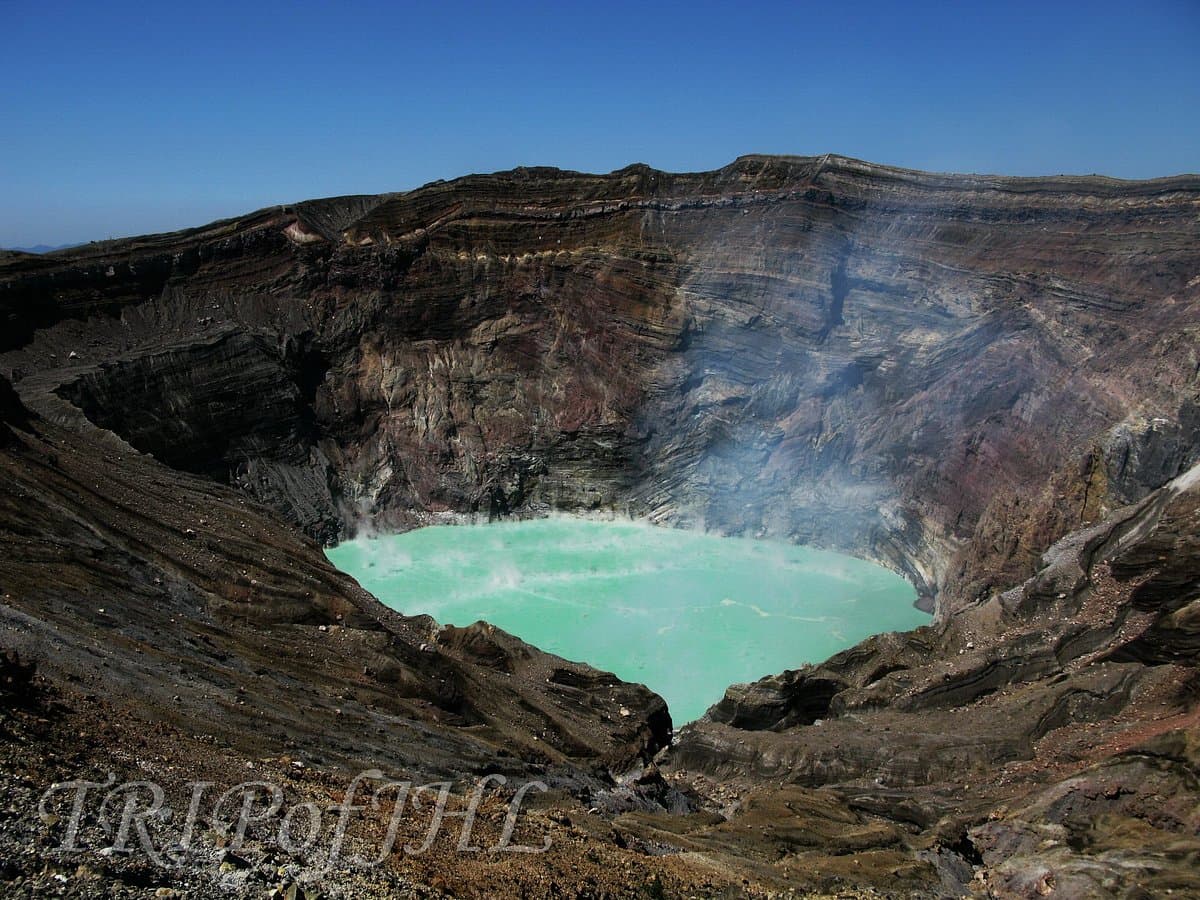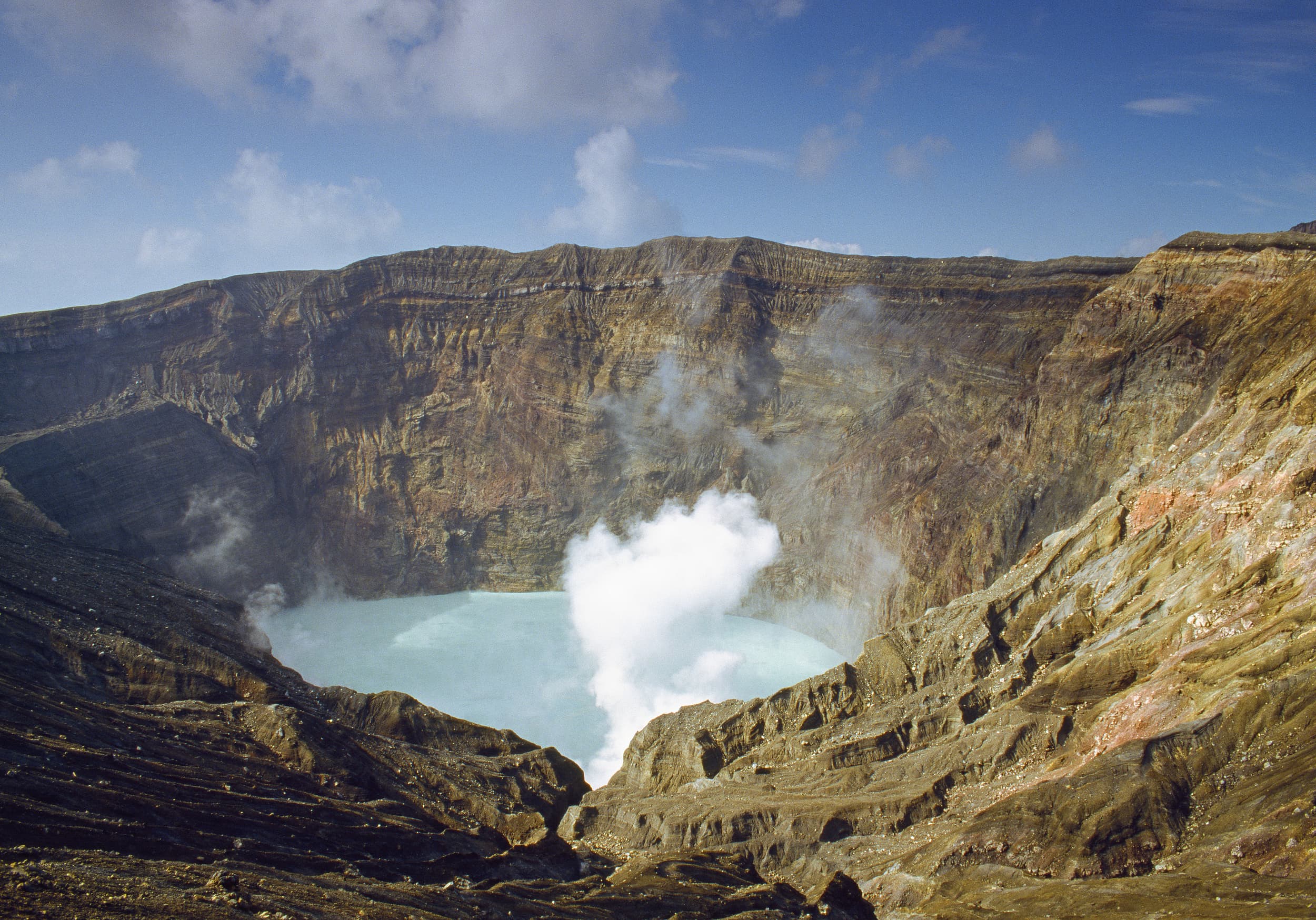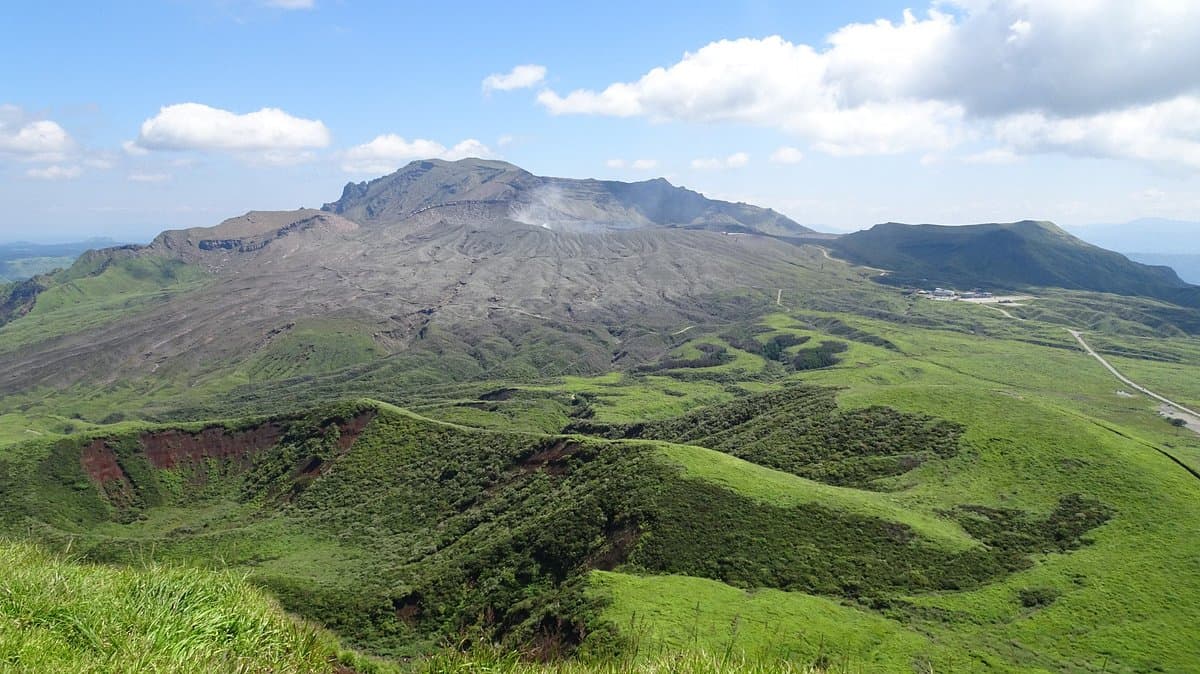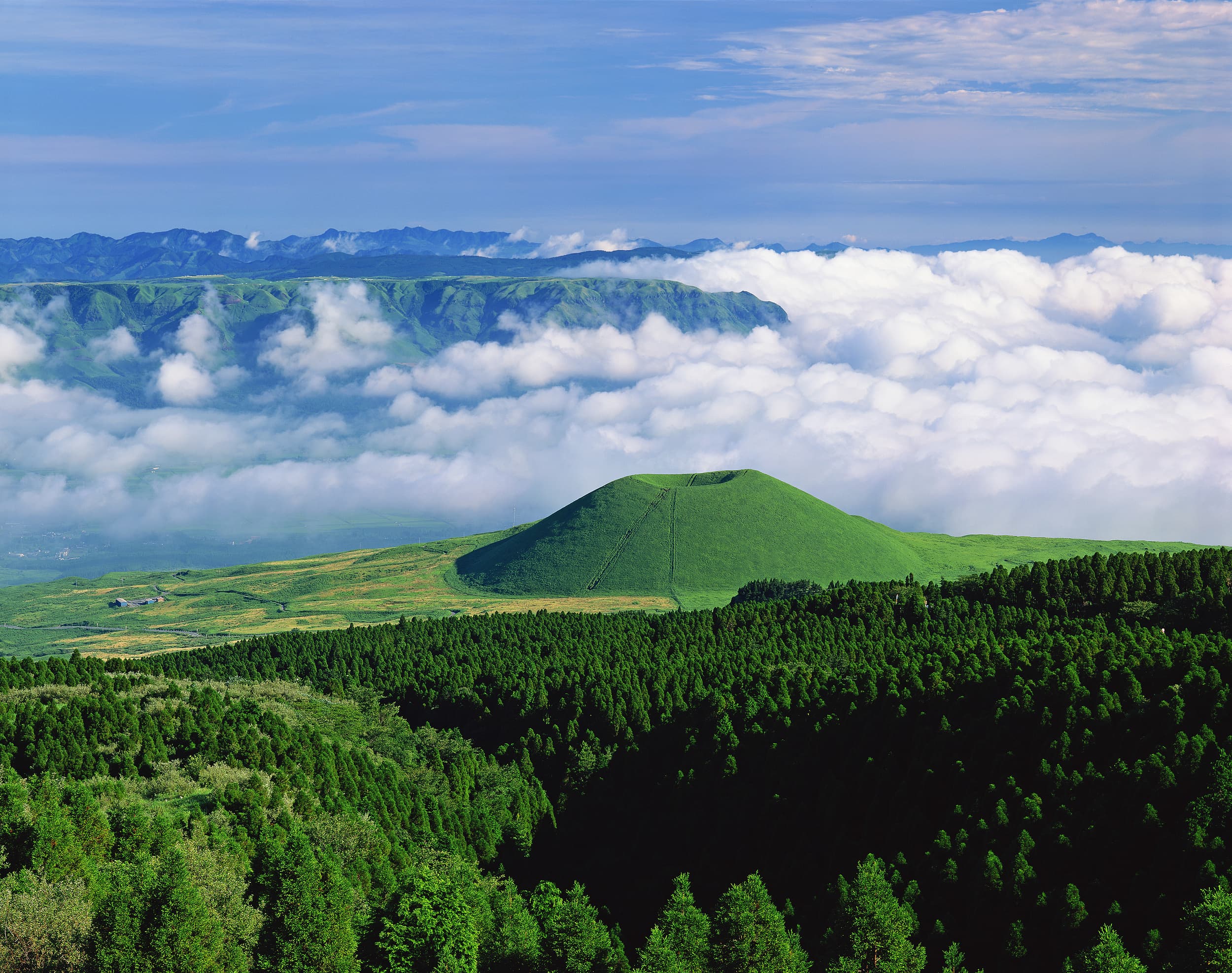
Mount Aso, located in Kumamoto Prefecture, is one of the world's largest active volcanoes and a prominent natural wonder in Japan. Its immense caldera, stretching over 25 kilometers, encompasses several peaks, with Nakadake being the most active. This geological marvel offers visitors a rare opportunity to witness an active volcano up close, surrounded by unique landscapes of vast grasslands and volcanic formations.
Visitors consistently praise the breathtaking views and the unique experience of seeing an active volcano. Many describe the sight of smoke billowing from the crater as spectacular and awe-inspiring. The surrounding areas, such as Kusasenri, are frequently mentioned for their scenic beauty, offering wide-open spaces and opportunities for photography. Reviewers often highlight the sense of being in a truly wild and powerful natural environment. However, a recurring theme in reviews is the unpredictable nature of volcanic activity, which can lead to closures of the crater area, sometimes limiting access to distant viewpoints.
To make the most of your visit, it is crucial to check the official Mount Aso website or local tourist information for the latest volcanic alert levels and access restrictions before heading out. Conditions can change rapidly, and the crater area may be closed for safety. Many visitors recommend allocating 3-5 hours to explore the area, including travel time within the caldera. Bringing layers of clothing is advisable, as the weather at higher altitudes can be significantly colder and windier, even in warmer months. Some reviewers suggest taking a helicopter tour for a unique panoramic view of the caldera, especially when ground access to the crater is restricted. Consider visiting during spring for lush greenery or autumn for silvergrass landscapes, as noted by some visitors.
Mount Aso is accessible by public transport, though planning is essential. From Aso Station, there are buses that go towards the crater and Kusasenri. Reviewers mention that the bus stop is directly outside Aso Station, and tickets can be purchased at the bus ticket office. Driving is also a popular option, with many visitors noting the scenic mountain roads leading to the area. Parking is available at various viewpoints and facilities. Be aware that mountain roads can be winding, and traffic jams can occur during peak seasons.
The primary complaint revolves around the frequent closures of the crater due to volcanic activity, which can disappoint visitors expecting to get close. To mitigate this, always check the current alert status beforehand. If the crater is closed, focus on exploring alternative viewpoints like Kusasenri, the Aso Volcano Museum, or consider a helicopter tour, which many reviewers found to be a worthwhile alternative for experiencing the volcano's grandeur from a different perspective.