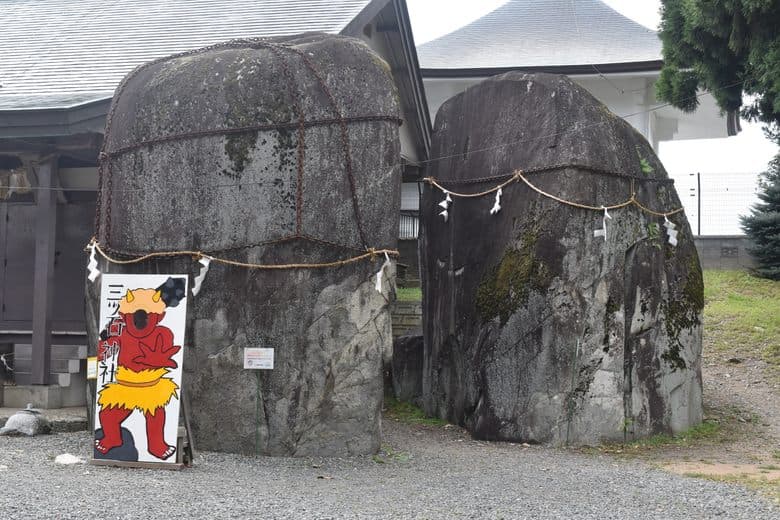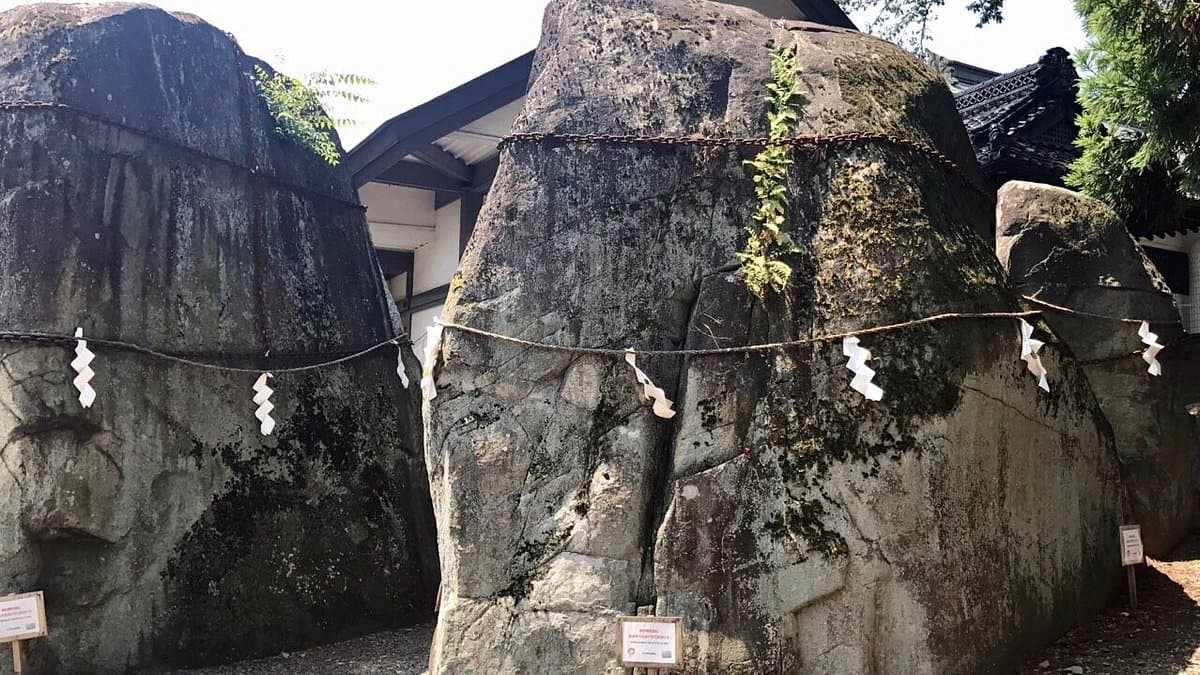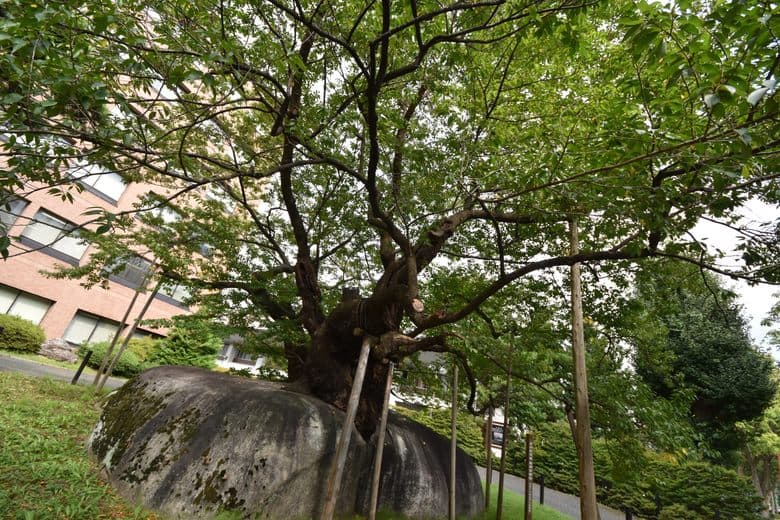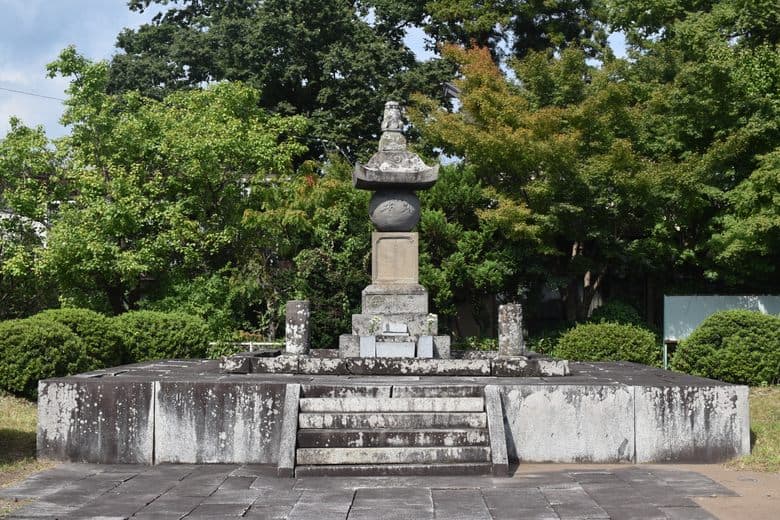
The Grave of Princess Centipede, or O-take, is a site of local folklore in Morioka, Japan, known more for its chilling legend than its physical grandeur. It marks the resting place of a woman whose death, according to myth, unleashed a curse involving centipedes and snakes, linking her to the famed samurai Fujiwara no Hidesato. This location offers a unique glimpse into Japanese supernatural tales and historical legends, providing a tangible connection to the rich narrative traditions of the region.
Visitors primarily seek out this grave for the intriguing story behind it, often noting its somewhat hidden and unassuming nature. Reviewers describe the experience as more about the atmospheric legend than a visually impressive monument. The grave itself is simple, contrasting with the dramatic tales associated with it. There are no specific visitor reviews detailing common praises or warnings, as it is a very niche attraction, but the allure lies in its historical and mythical context.
To fully appreciate the site, it's recommended to read up on the legend of Princess Centipede beforehand. A visit typically lasts only 10-15 minutes, as there isn't much to see beyond the grave marker and its immediate surroundings. It's best visited during daylight hours for ease of access and to avoid any overly eerie feelings, though some might prefer the twilight for atmosphere. There are no specific items to bring, but a camera for documenting the unique historical marker is common.
The Grave of Princess Centipede is situated between the cemetery of Kōdai-ji Temple and modern parking lots in Morioka. While specific public transport details are not readily available in visitor accounts, its location within the city suggests it is accessible by local bus routes or a short taxi ride from Morioka Station. For those driving, the proximity to parking lots indicates convenience, though specific parking availability should be verified locally. Walking from Kōdai-ji Temple is the most direct approach once in the area.
Common complaints are not typically associated with this site due to its nature as a minor, legend-based attraction. However, visitors might find it underwhelming if they expect a grand monument or extensive facilities. To mitigate this, approach the visit with an appreciation for local folklore and history, rather than as a major tourist landmark. Its charm lies in its quiet, eerie presence and the story it tells.