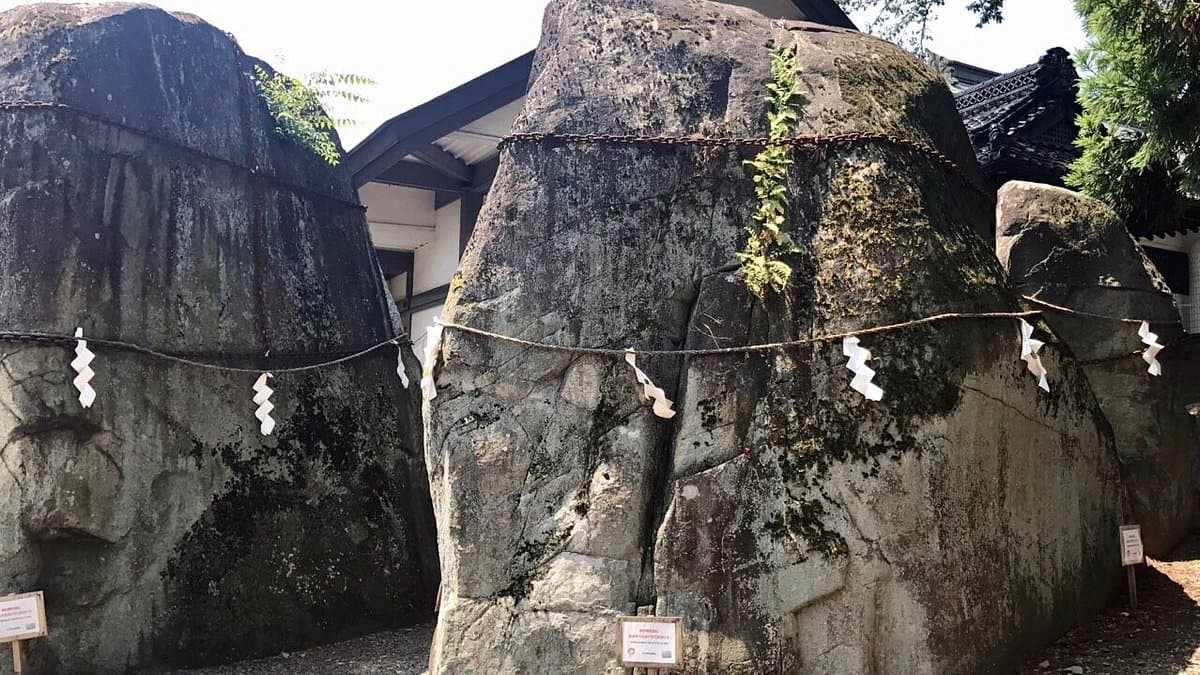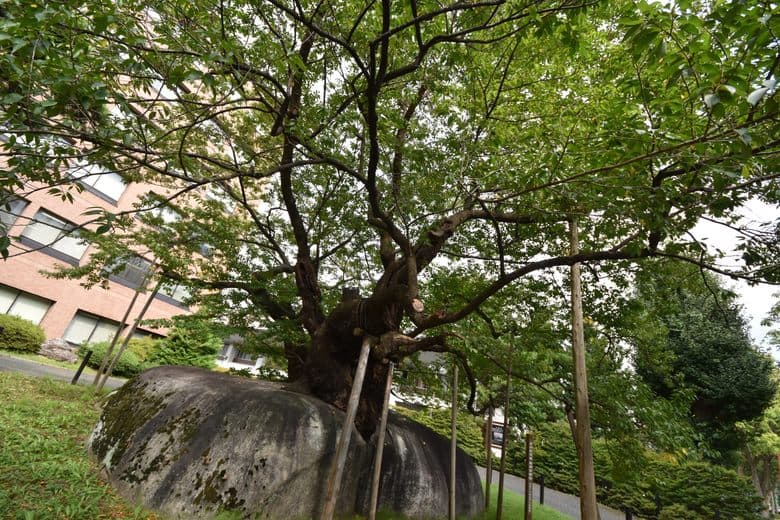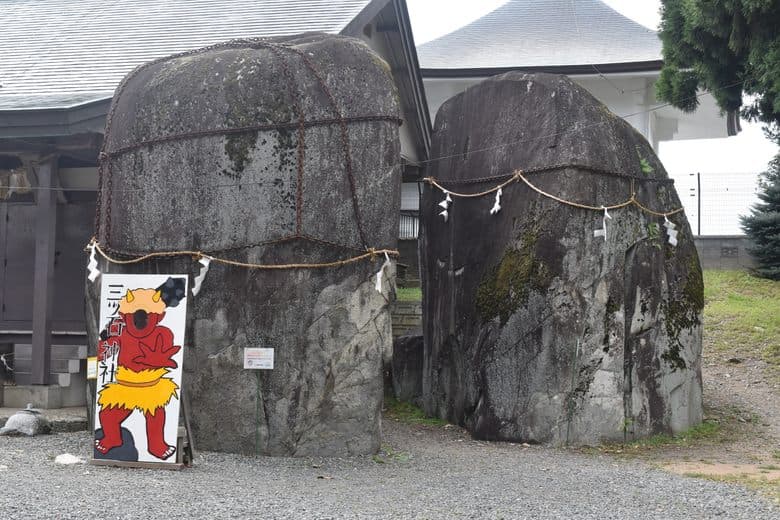
The Demon’s Hand Prints in the Rocks, located at Mitsuishi Shrine in Morioka, are a fascinating site deeply embedded in local Japanese folklore. This location is significant as it is believed to be the origin of the name for Iwate Prefecture, which literally translates to "rock-hand." The shrine itself, named Mitsuishi (meaning "three stones"), features a trio of large granite boulders, central to the legend of a demon named Rasetsu who was chained there and left his handprints as a promise never to return. This tale not only explains the prefecture's name but also the origin of the Sansa-odori festival, where villagers danced in celebration after the demon's departure.
Visitors consistently praise the unique cultural insight offered by this site, highlighting its importance in understanding local history and traditions. Many appreciate the peaceful atmosphere of the shrine and the opportunity to connect with ancient legends. While the original handprints on the rocks have faded over time, a plate with copies of the prints is exhibited nearby, allowing visitors to visualize the legendary marks. Reviewers often note the rustic and somewhat eerie appearance of these copies, adding to the mystique of the place. It's a place that encourages reflection on the power of storytelling and its impact on regional identity.
For a meaningful visit, allocate about 30-60 minutes to explore the shrine and read the informational plaques. The best time to visit is during daylight hours, especially in the morning or late afternoon, to enjoy the tranquility. There is no entry fee, making it an accessible cultural experience. While there isn't much else to see directly at the shrine beyond the rocks and the explanatory plate, the surrounding neighborhood offers a glimpse into local life in Morioka. Consider combining this visit with other nearby attractions in Morioka if you have more time.
The Mitsuishi Shrine is located in the Nasukawa-chō neighborhood of Morioka. It is generally accessible by public transport within Morioka. Visitors can take a local bus or a taxi from Morioka Station. Walking from the city center is also an option for those who enjoy exploring on foot, offering a chance to see more of the local area. Parking might be limited, so public transport or walking is often recommended.
A common point noted by visitors is that the original handprints are no longer visible, which can be a slight disappointment for those expecting to see ancient markings directly on the stones. However, this can be mitigated by understanding the historical context beforehand and appreciating the exhibited copies as a representation of the legend. The focus should be on the story and its cultural significance rather than the physical presence of the original prints.