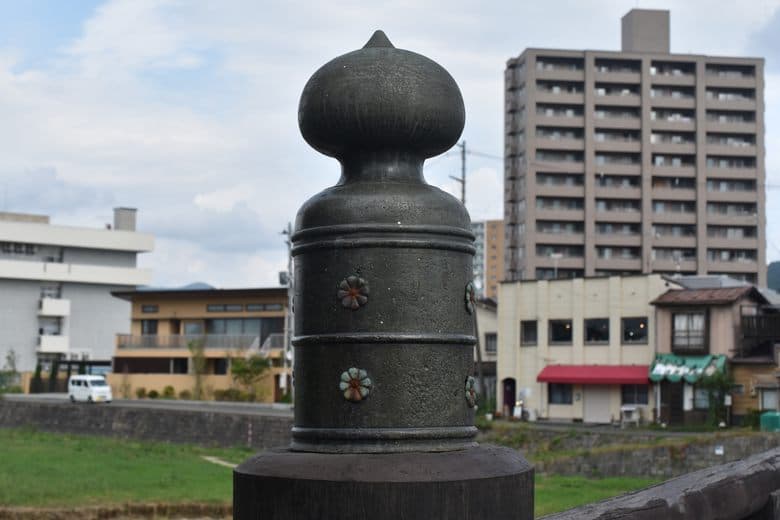
The Bronze Finials on the Upper Bridge (Kami-no-hashi) in Morioka are a unique historical artifact, designated as an Important Cultural Property. These onion-shaped ornamental finials, known as giboshi, date back to the early 17th century, with some cast in 1609 and others in 1611. They originally adorned the bridge built to coincide with the completion of Morioka Castle. What makes them particularly significant is their survival through numerous floods and bridge reconstructions, offering a tangible link to Japan's feudal past.
Visitors interested in history and subtle architectural details will appreciate the rarity of these finials. Unlike many modern replicas found across Japan, a significant number of these are originals, with some dating back to the bridge's initial construction. Reviewers often highlight the impressive longevity of these small, yet historically rich, elements. However, it's important to note that many passersby overlook them, so an intentional focus is required to appreciate their historical value.
To fully appreciate the finials, visitors should allocate about 15-30 minutes to walk across the Kami-no-hashi bridge and carefully examine the bronze ornaments. It's best to visit during daylight hours for clear visibility. There are no specific items to bring, but a camera might be useful for those wishing to document the intricate details and inscriptions. There is no entry fee as the finials are part of a public bridge.
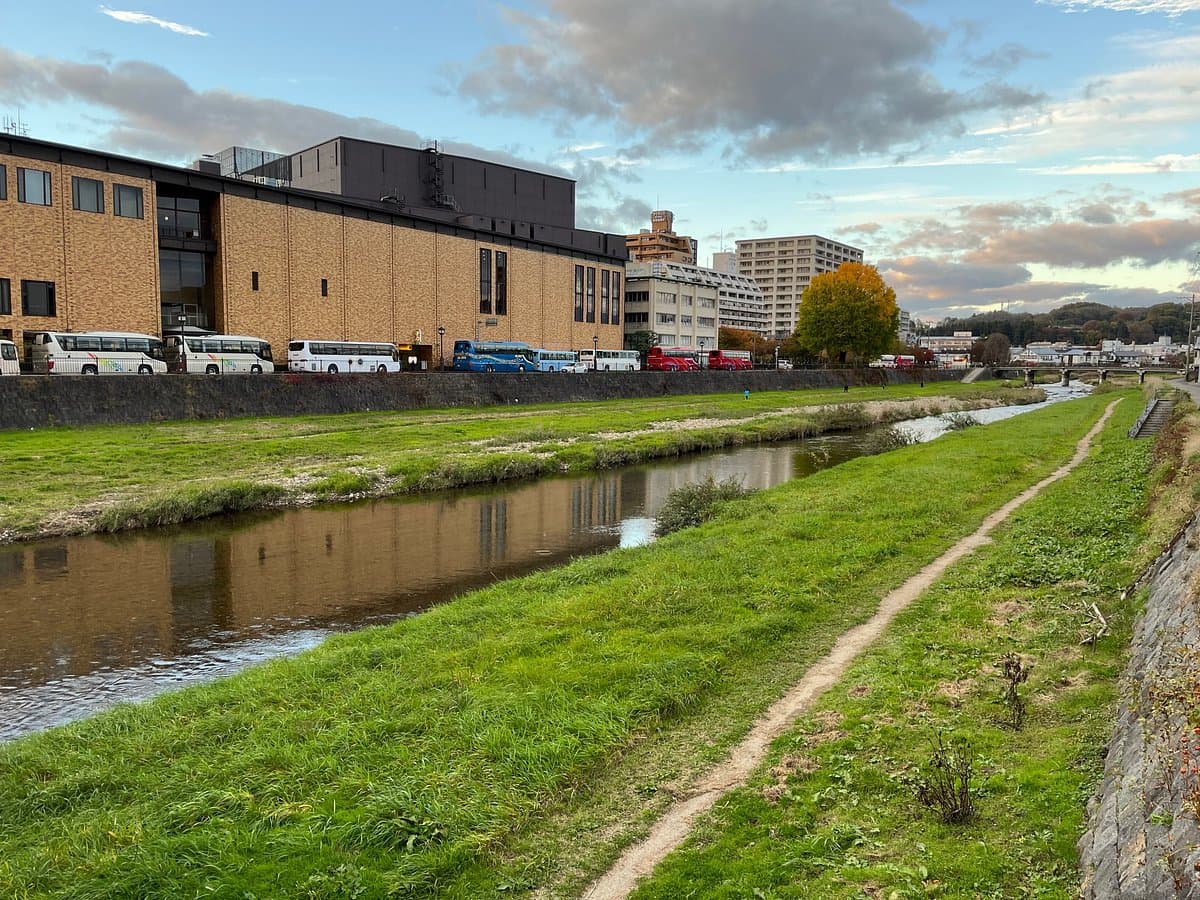
The Upper Bridge spans the Nakatsu River in Morioka. It is easily accessible by foot from Morioka Station, which is a major hub for the Tohoku Shinkansen line. From the station, the bridge is approximately a 15-20 minute walk east, following the main roads towards the river. Local bus services also operate in the area, with several stops near the Nakatsu River, making it convenient to reach. Parking can be found in nearby public lots if driving, but public transport is generally recommended for ease of access in the city center.
A common 'complaint' or observation is that the finials are easily missed by those not specifically looking for them. To mitigate this, approach the bridge with the specific intention of finding and examining these historical pieces. Look closely at the bridge railings and supports for the distinct onion-shaped bronze ornaments.