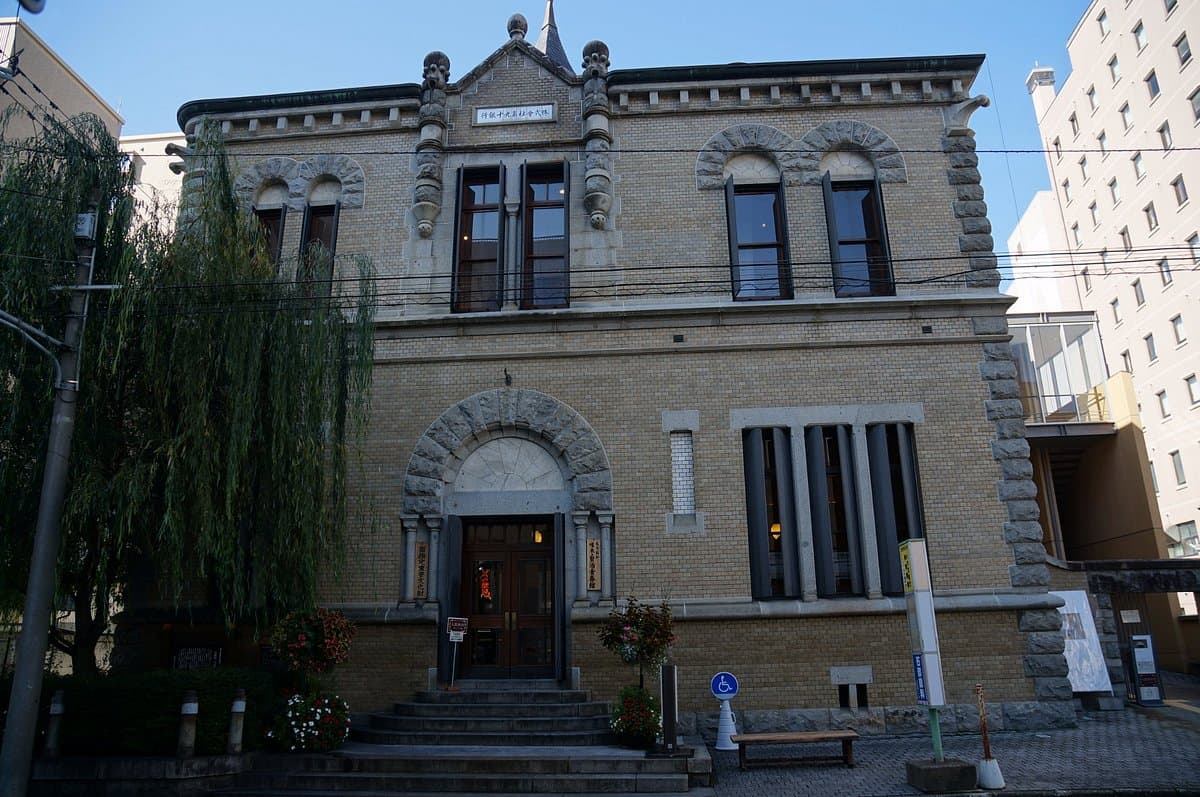
Konyacho Banya, originally built in 1891 and renovated in 1913, is a historical fire station located on the left bank of the Nakatsu River. It served as the Morioka City Fire Brigade's 5th Branch Banya and is recognized for its distinctive Meiji-era architecture, particularly its striking hexagonal watchtower. This building stands as a landmark in Morioka's old district, offering a visual testament to the city's development and simpler times.
Visitors consistently praise the building's unique architectural style and its photogenic qualities. Many find its retro appearance and the hexagonal watchtower to be a refreshing change from modern structures, making it an interesting subject for photography. Reviewers often highlight its historical significance, noting how it symbolizes Morioka's growth and past. However, a common point mentioned by several visitors is that the building is smaller than expected, and access to the interior is not permitted.
To make the most of your visit, plan to spend a short amount of time, perhaps 15-30 minutes, primarily for viewing and taking photos of the exterior. It's best visited as part of a walking tour of Morioka's old district, which includes other historical buildings like the Iwate Bank Red Brick Building. Consider visiting during the monthly flea market (antique market) if your schedule aligns, as this event is popular and adds to the local atmosphere. Don't forget to check out the nearby senbei shop for a local snack.
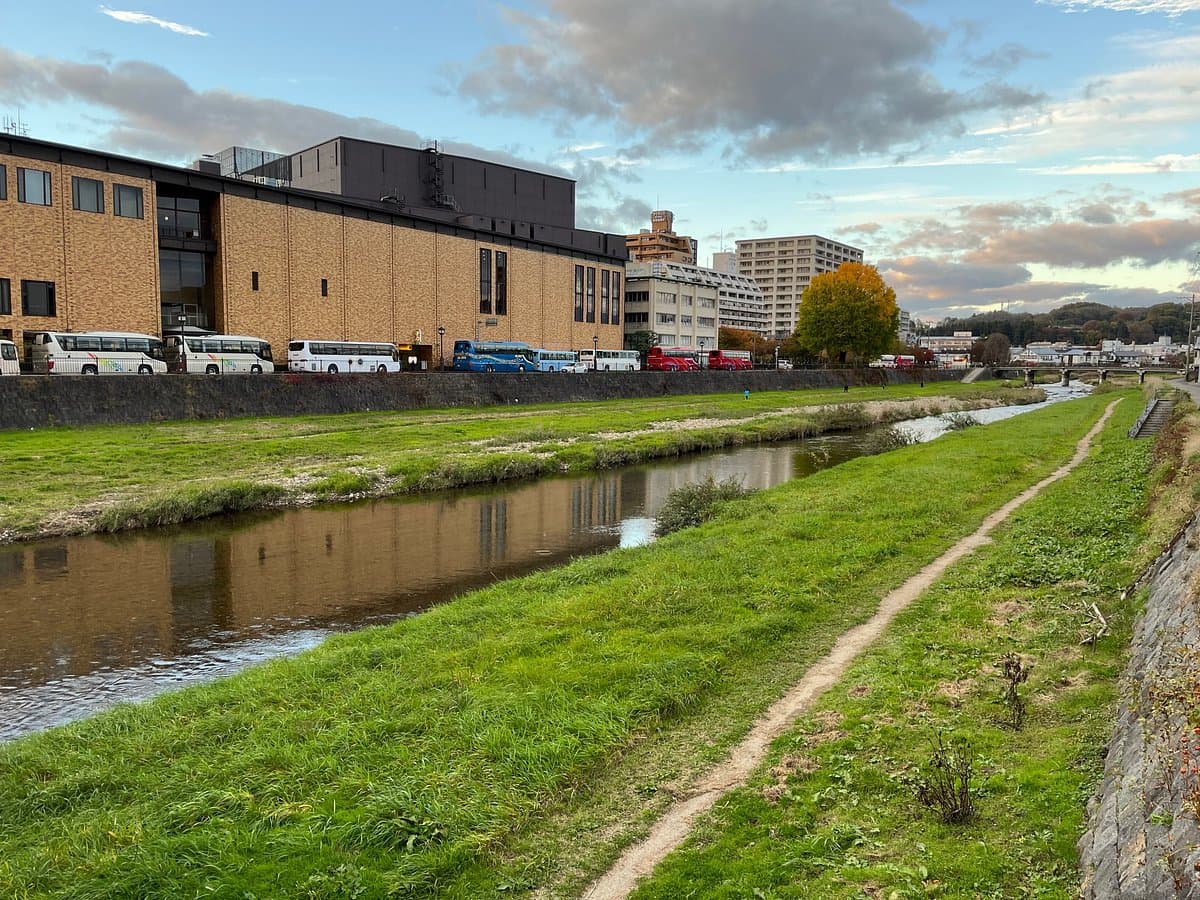
The Konyacho Banya is very easy to find, situated at 4-33 Konyacho. It's located on the corner of a side street, on the sleeve of the Yono-ji bridge between the upper bridge and the middle bridge, on the left bank of the Nakatsu River. It can be reached by walking north along the street lined with other old buildings. While taking photos from across the street, be mindful of traffic. Public transportation options to this specific spot are not explicitly detailed in reviews, but its central location within the old district suggests it's easily accessible by foot from Morioka Station or local bus stops serving the downtown area.
The primary complaint is the inability to enter the building, which can be disappointing for those hoping for an interior tour. To mitigate this, adjust your expectations and appreciate it as an exterior architectural marvel. Focus on its historical context and the surrounding area's charm rather than anticipating an interactive experience.