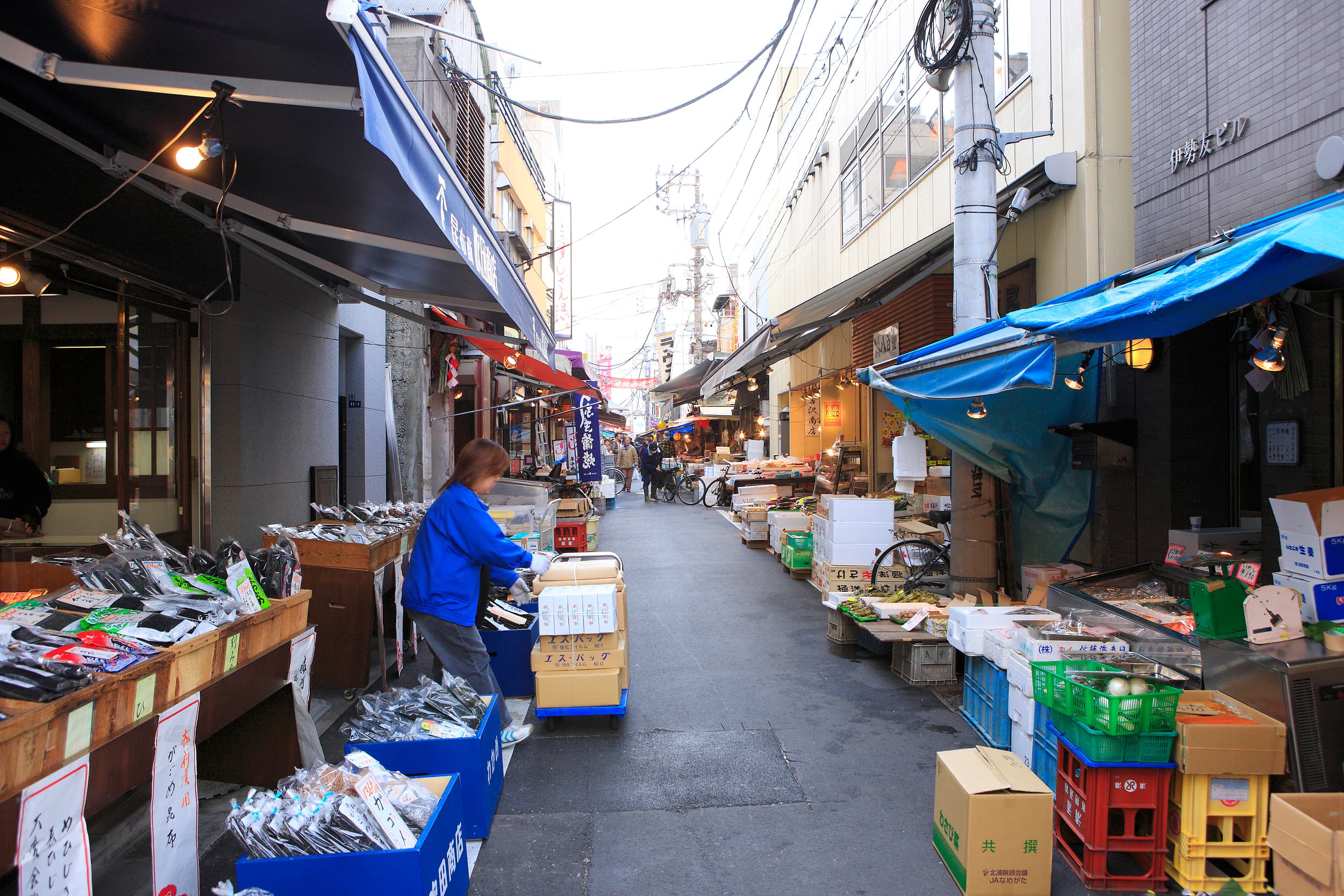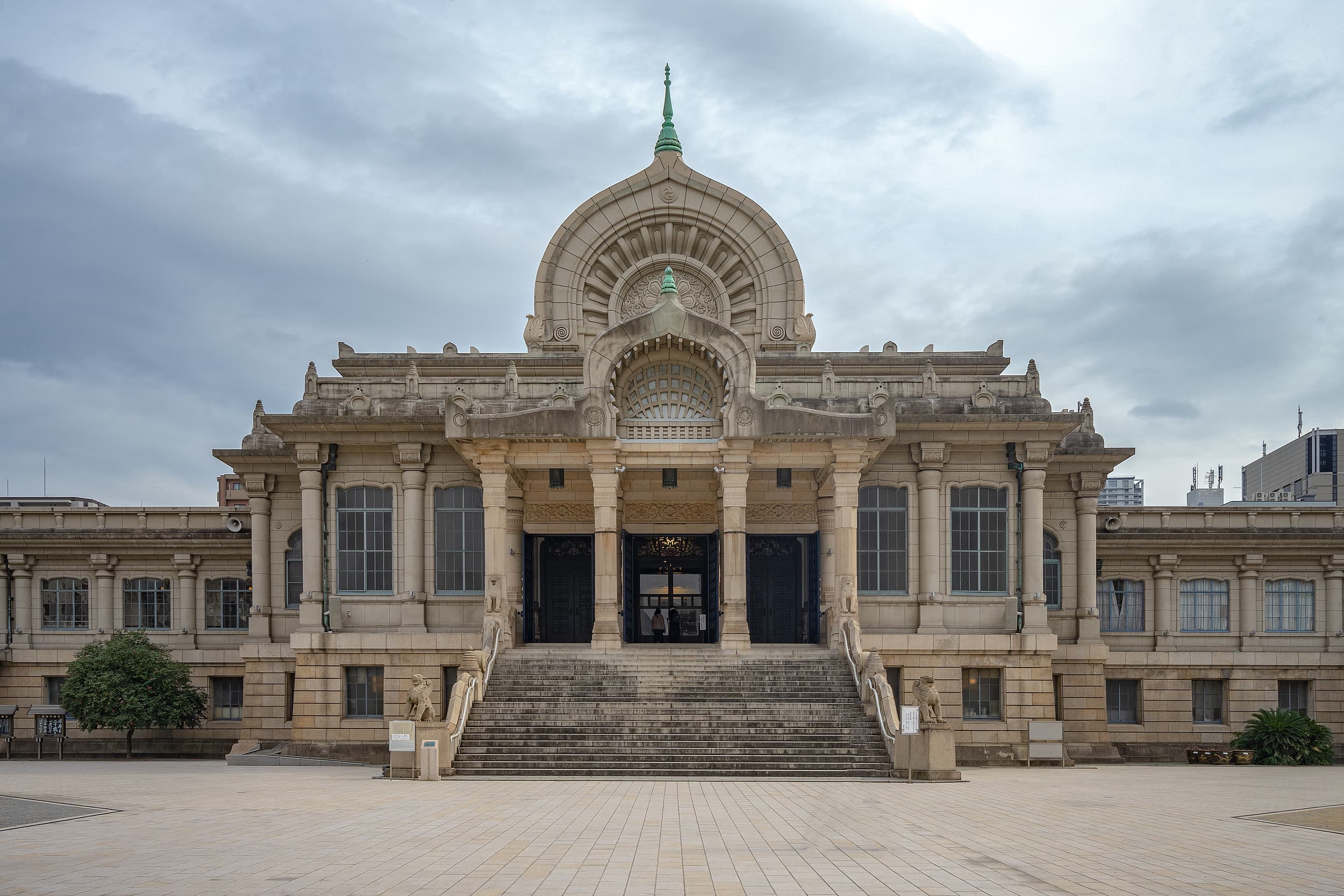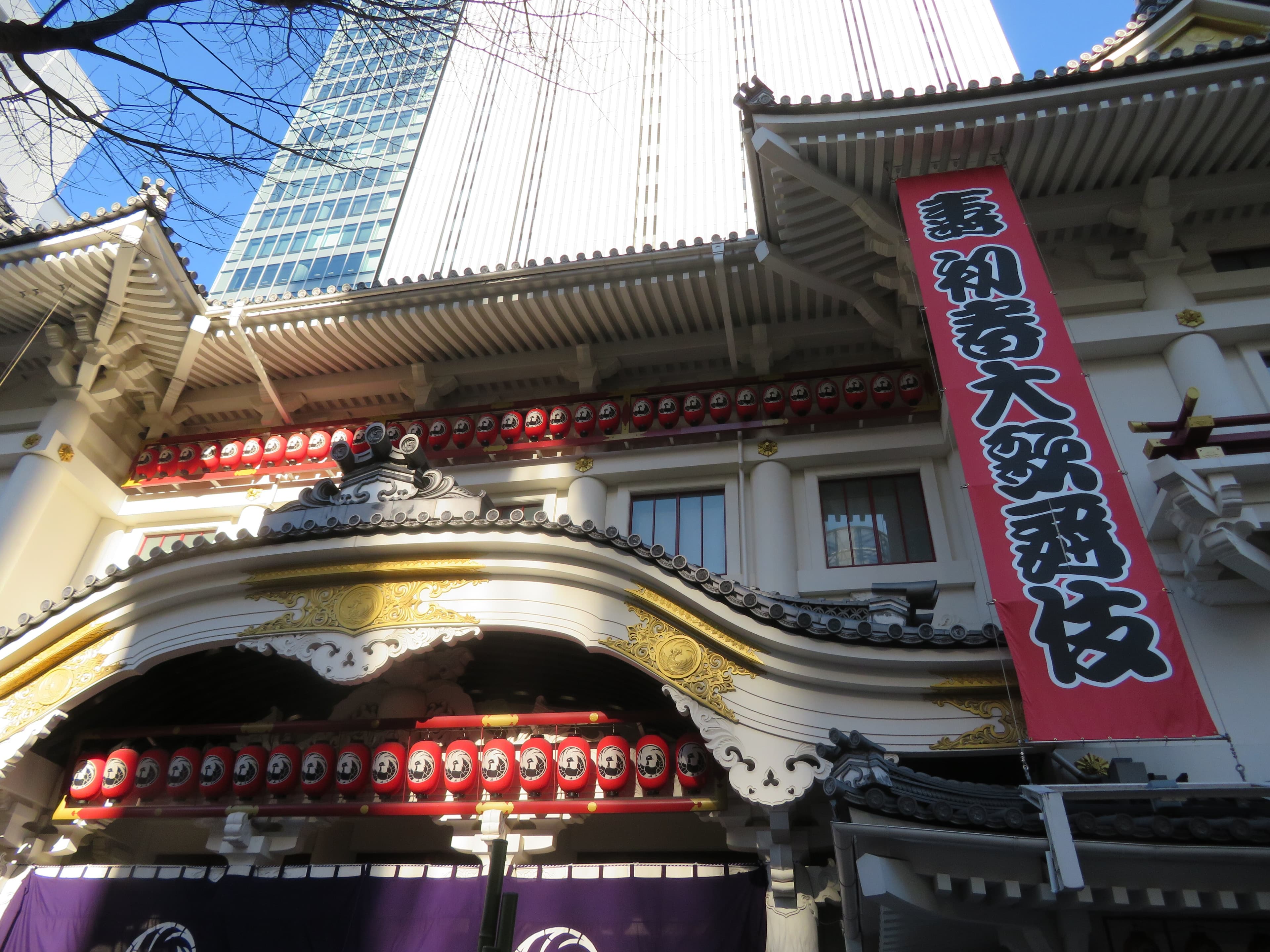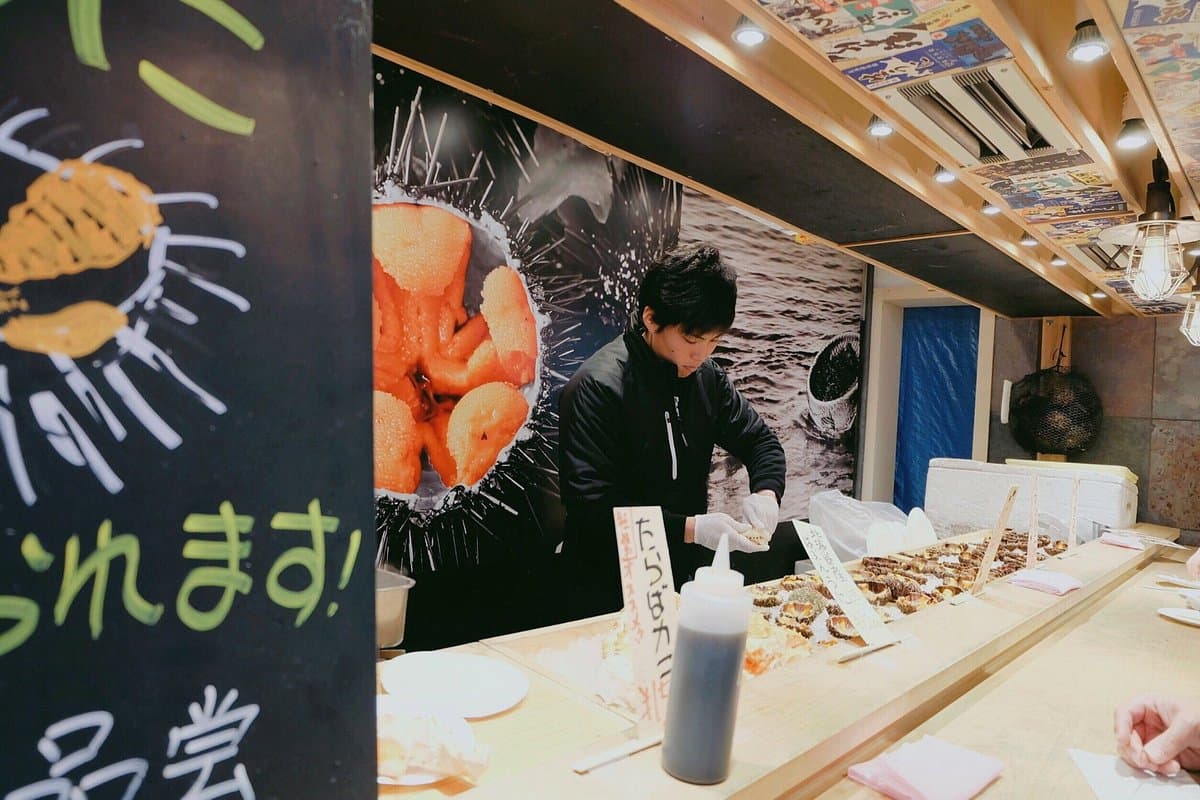
Tsukiji Outer Market is a historic and vibrant culinary destination in Tokyo. While the inner wholesale market, famous for its tuna auctions, relocated to Toyosu in 2018, the outer market has retained its charm and continues to thrive as a paradise for food lovers. It's a place where you can experience the rich gastronomic tradition of Japan, offering everything from fresh seafood to unique street food and kitchenware.
Visitors consistently praise the exceptional freshness and variety of food available. Many highlight the opportunity to try freshly prepared sushi, sashimi, grilled scallops, wagyu beef skewers, and various other seafood dishes right on the spot. Reviewers frequently mention the deliciousness of the tuna, wagyu, and eel. The market's lively atmosphere, with its narrow alleys and bustling stalls, is also a major draw, providing an authentic sensory experience. However, some visitors note that prices can be elevated, and the market can become extremely crowded, especially on weekends and later in the morning.
To make the most of your visit, it's highly recommended to arrive early, ideally before 9-10 AM, to avoid the peak crowds and ensure the freshest selection, as many stalls start winding down by early afternoon (around 2-3 PM). Come hungry and be prepared to sample a variety of dishes. Many stalls prefer or exclusively accept cash, so bringing yen is essential. While some places offer seating, much of the eating is done standing or walking, which is part of the market experience. Be mindful of local customs; for instance, eating or drinking while walking is generally frowned upon, so use designated eating areas.
Tsukiji Outer Market is conveniently located and easily accessible by public transport. It's a short walk from several subway stations, including Tsukiji Station (Tokyo Metro Hibiya Line) and Tsukijishijo Station (Toei Oedo Line). Many visitors also note its proximity to Ginza, making it a feasible walk from that area. There is no specific parking information mentioned in reviews, suggesting public transport is the preferred method of arrival.
The most common complaint is the intense crowding, particularly on weekends and later in the morning, which can make navigation difficult and lead to long queues. To mitigate this, plan your visit for a weekday morning and arrive as early as possible. Some visitors also feel it has become overly touristy and that prices are inflated. While it is a popular tourist spot, focusing on the smaller, less prominent stalls and exploring the side alleys can still yield authentic and delicious finds. Consider joining a guided tour for a more curated experience and insights into local favorites, as some reviewers found it enhanced their visit.