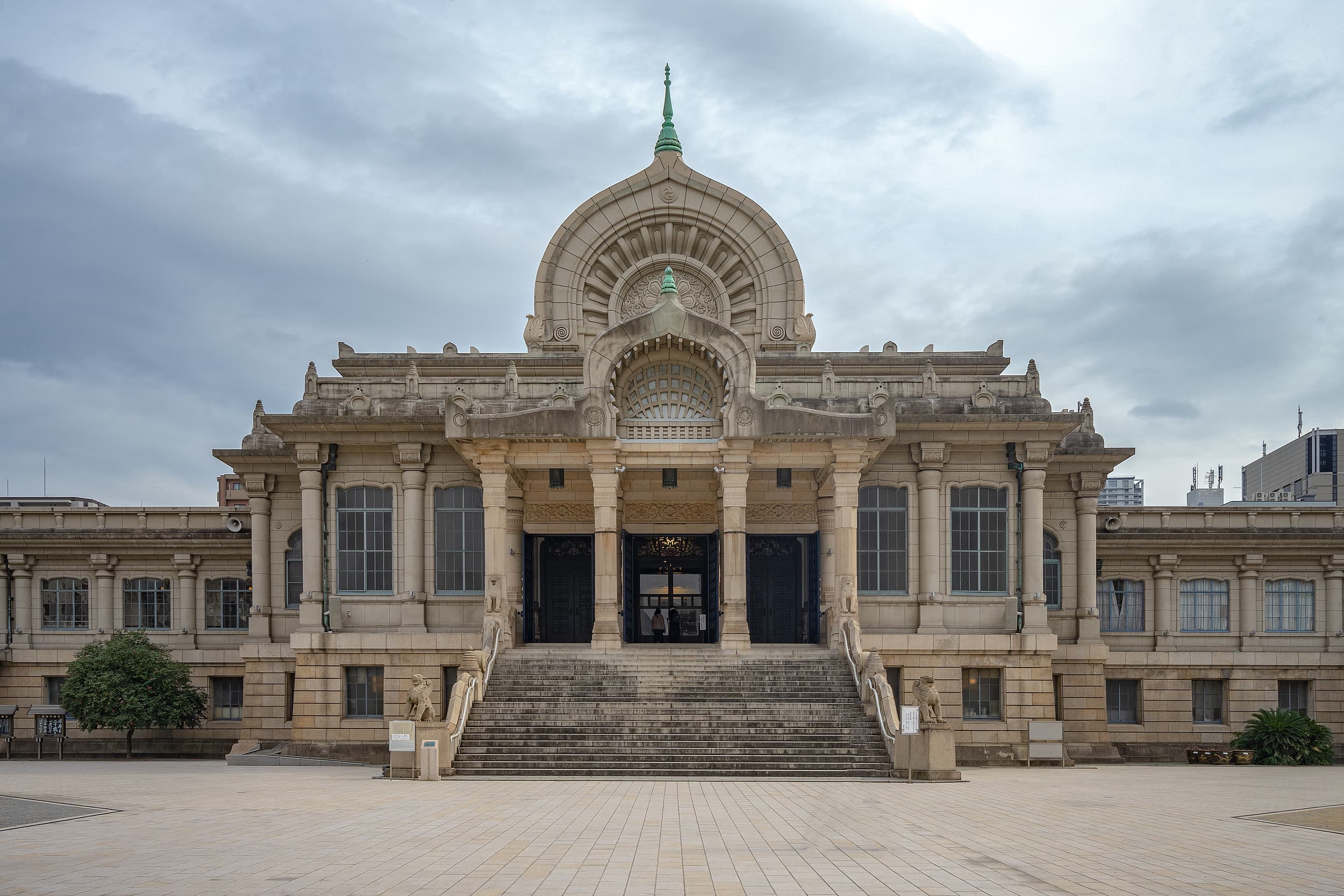
Tsukiji Hongan-ji Temple is a significant Buddhist temple of the Jodo Shinshu sect, originally founded in 1617. While its history is long, the current structure, completed in 1934, is renowned for its highly unusual and eclectic architectural style. Designed by architect Itō Chūta, it draws inspiration from ancient Indian Buddhist architecture, incorporating elements typically found in Western churches, such as Gothic cathedral-like exteriors, stained-glass windows, and even a pipe organ. This unique fusion makes it a standout landmark in Tokyo, challenging conventional perceptions of Japanese temples.
Visitors consistently praise the temple's distinctive appearance, noting its resemblance to a European church or an Indian temple. Many are surprised by the grandeur and intricate details of the exterior, with its huge arches, gorgeous carvings, and spectacular domes. Inside, the main hall offers a peaceful atmosphere, often described as solemn and tranquil, a welcome respite from the bustling city. Reviewers frequently highlight the blend of traditional Japanese decorations with Western features like stained glass and the German organ, creating a truly unique cultural experience. Some visitors also mention the presence of a café and a creative store within the temple complex, offering books, merchandise, and even vegetarian-friendly breakfast options.
To make the most of a visit, it is recommended to allocate 1-2 hours to explore the temple thoroughly. Many visitors suggest combining a trip to Tsukiji Hongan-ji with a visit to the nearby Tsukiji Outer Market, as the temple offers a quiet contrast to the market's lively atmosphere. The temple is generally free to enter, making it an accessible cultural experience. While some reviewers mention various activities like Buddhist ceremonies and organ concerts, specific schedules are not consistently provided in reviews, so checking the official website for current events is advisable. The temple is particularly beautiful when lit up at night, with its golden dome becoming a striking feature.
The temple is conveniently located near public transport. It is adjacent to Tsukiji Station (Tokyo Metro Hibiya Line) and Shiodome Station (Toei Oedo Line, Yurikamome Line), making it easily accessible by subway. Many visitors mention discovering the temple by chance while walking to or from the Tsukiji Market, which is just a short walk away. The address is 3 Chome-15-1 Tsukiji, Chuo City, Tokyo. Driving is generally not recommended due to limited parking and excellent public transport options.
A common observation from visitors is that the temple's exterior does not immediately suggest it is a Buddhist temple, leading to initial confusion for some. However, this unique characteristic is precisely what many find most appealing. While some reviewers found the interior to be less impactful than the exterior, or felt the religious atmosphere was not as strong as in more traditional temples, the overall consensus is that its architectural distinctiveness and peaceful ambiance make it a worthwhile stop. There are no significant complaints about crowds within the temple itself, even when the nearby market is busy, suggesting it remains a relatively serene destination.