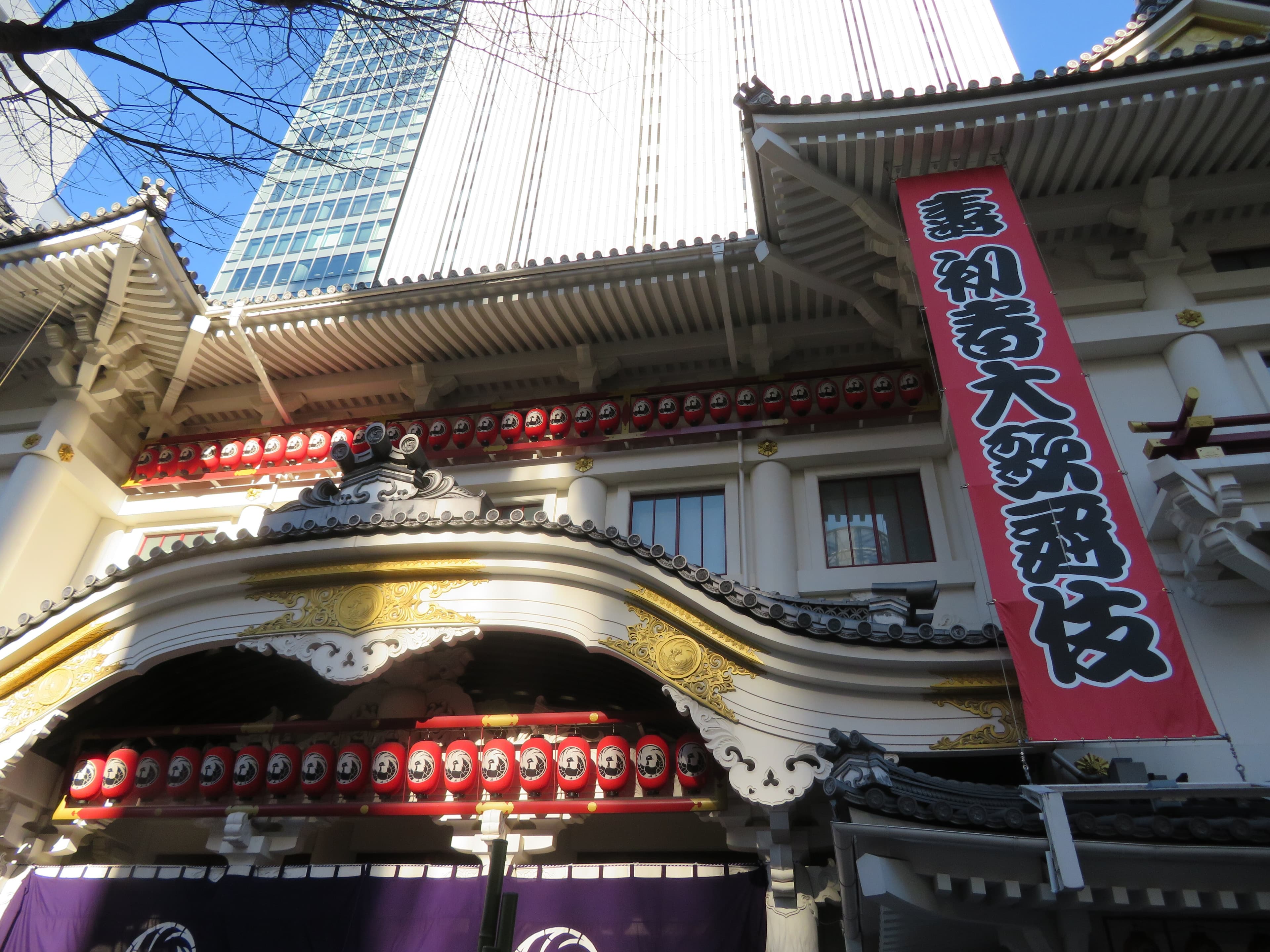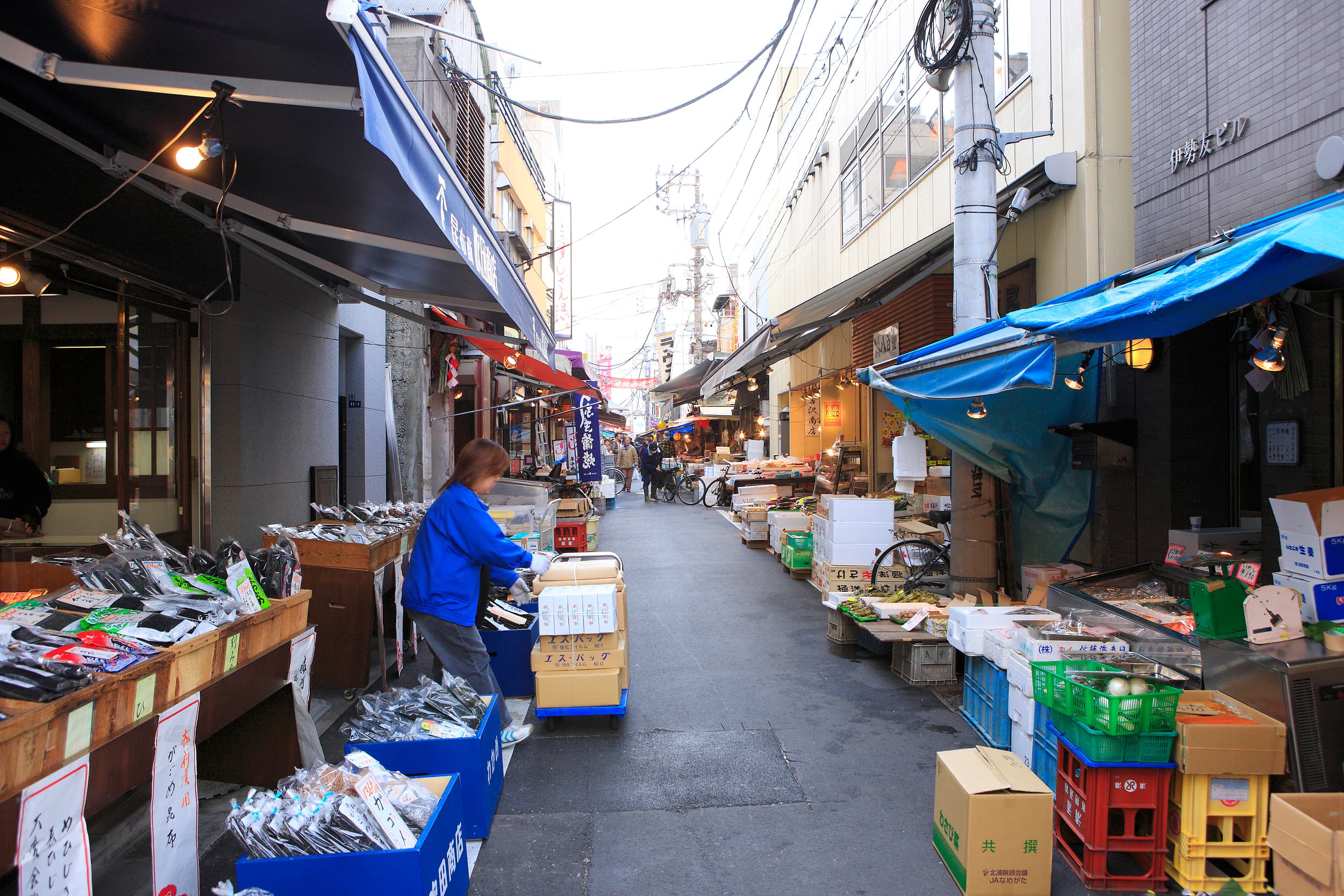
Tsukiji Outer Market, or Tsukiji Jogai Market, is a historic and bustling culinary district in Tokyo. While the famous inner wholesale fish market moved to Toyosu in 2018, the outer market has retained its vibrant character, continuing to serve as a paradise for food lovers and a significant cultural landmark. It's a place where tradition meets modern tourism, offering a deep dive into Japan's rich food culture, particularly its unparalleled seafood.
Visitors consistently rave about the exceptional freshness and variety of food available. Popular items include succulent tuna and salmon sashimi, giant oysters, grilled wagyu skewers, and the iconic sweet egg omelet (tamagoyaki). Many reviewers highlight the opportunity to sample numerous dishes from different stalls, recommending to "come with an empty stomach." The market is also praised for its lively atmosphere, with vendors often engaging with tourists, and the chance to find unique souvenirs like kitchenware and dried seafood. Despite the crowds, the overall sentiment is overwhelmingly positive, with many considering it a highlight of their Tokyo trip.
To make the most of your visit, arrive early, ideally before 9 AM, to avoid the peak crowds and ensure the freshest selection, as some stalls begin to close by early afternoon. Reviewers suggest spending 2-3 hours exploring and sampling. Bring cash, as many smaller stalls may not accept cards. Don't be afraid to try a variety of foods; many stalls offer small, affordable portions perfect for tasting. Look for stalls with long lines, as these often indicate popular and high-quality offerings. While some find prices a bit high, most agree the quality justifies the cost. Be mindful of narrow alleys and crowded pathways, especially during peak hours.
The market is easily accessible by public transport. The nearest stations are Tsukiji Station (Tokyo Metro Hibiya Line) and Tsukijishijo Station (Toei Oedo Line). From either station, the market is just a short 5-minute walk. Reviewers often mention the convenience of reaching the market via train. Driving is generally not recommended due to limited parking and heavy pedestrian traffic.
A common complaint among some visitors is the market's crowded nature and the perception that it has become overly touristy, leading to higher prices. To mitigate this, visiting on weekdays and arriving early can significantly reduce crowds. While prices might be higher than local supermarkets, the experience of fresh, on-the-spot preparation and the unique atmosphere are considered part of the value. Some also note the lack of seating; be prepared to eat standing up or find small designated areas.