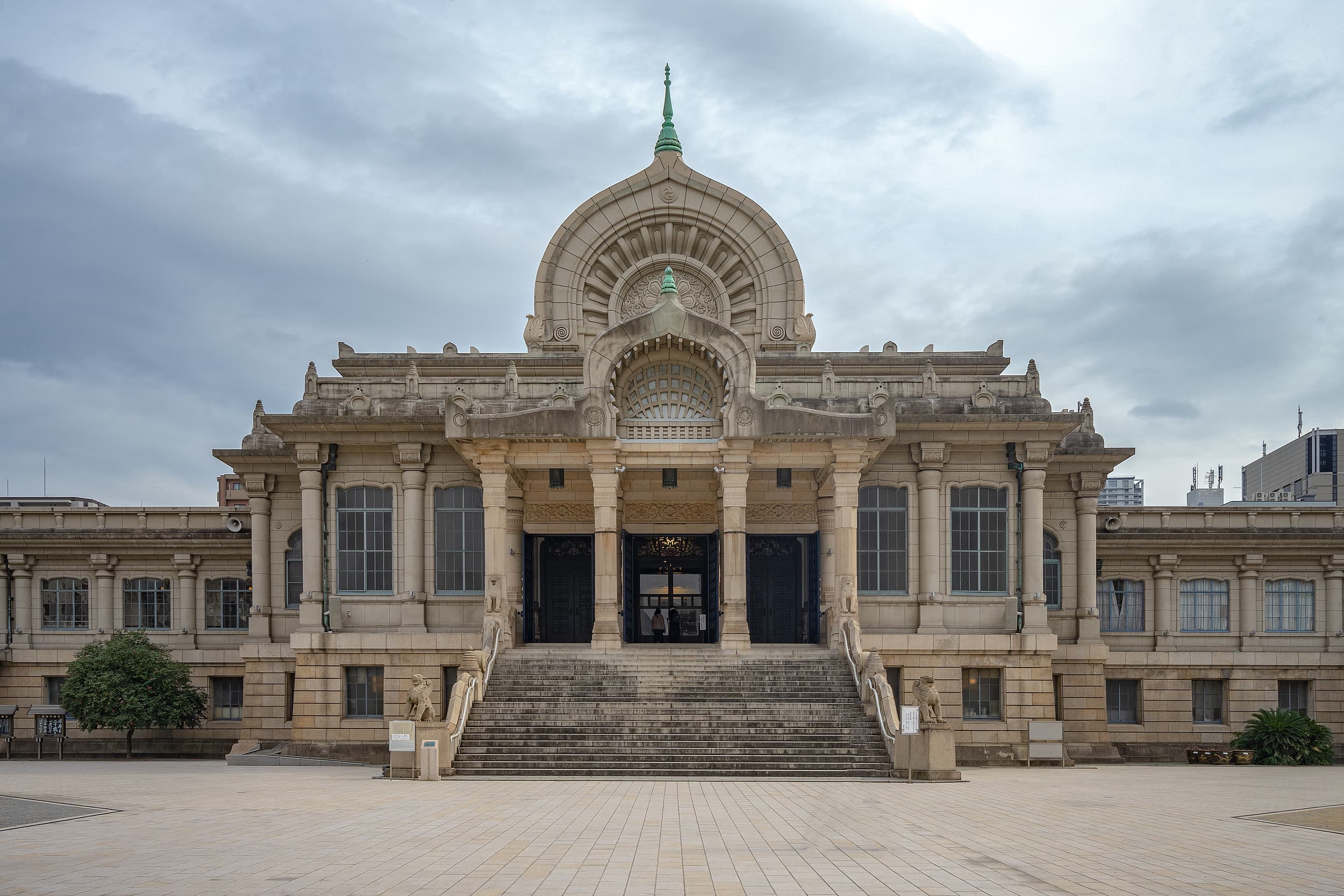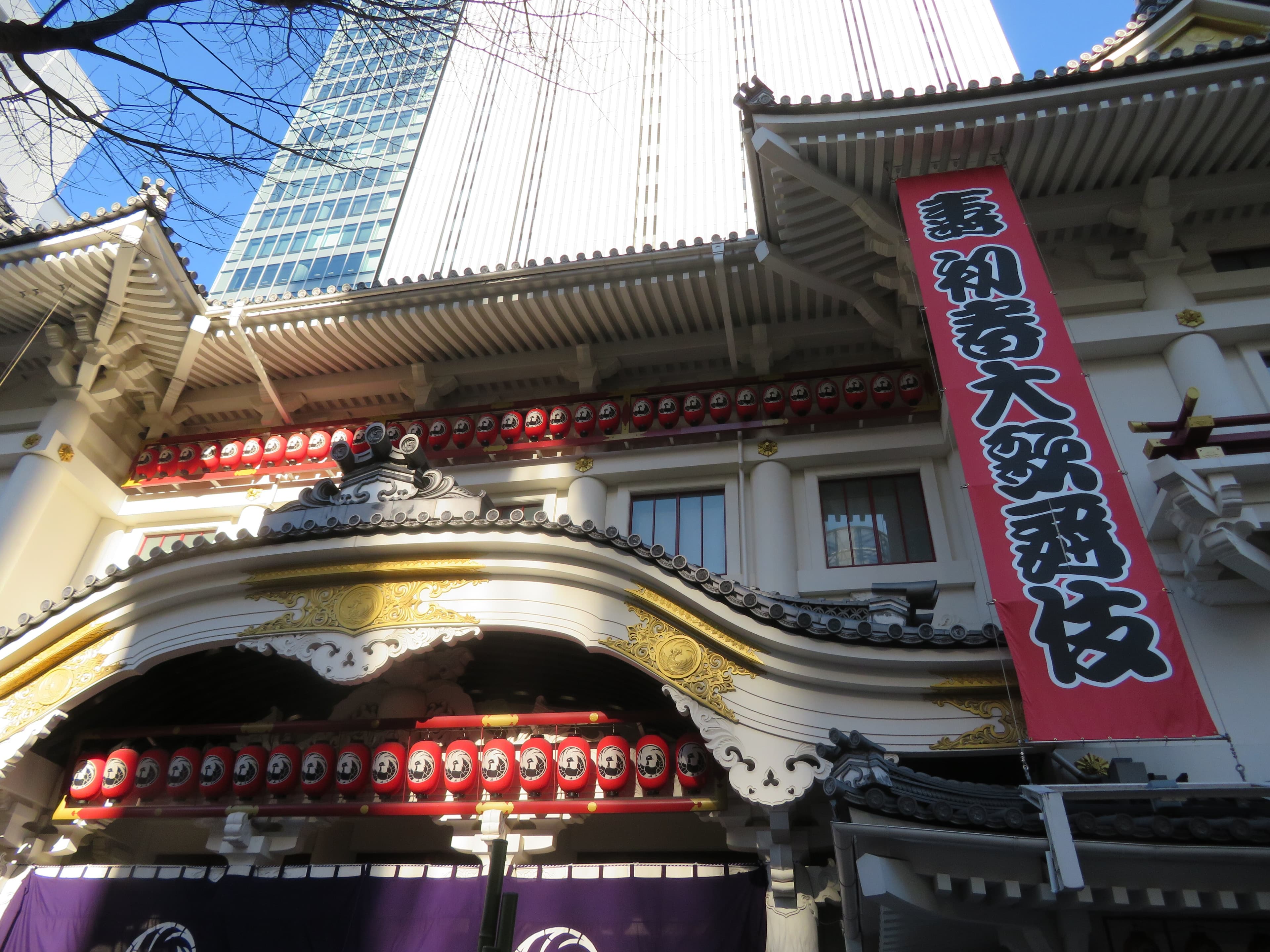
The Namiyoke Inari Shrine holds a significant place in Tokyo's history, particularly for the Tsukiji area. Established after the Great Fire of Meireki in 1657, it was built to appease the sea and protect the newly reclaimed land from destructive waves. Its name, "Namiyoke," literally means "protection from waves," reflecting its legendary origin where a sacred object appeared to calm the waters. This shrine is not just a historical landmark but an active place of worship, embodying a deep cultural connection to the sea and local resilience.
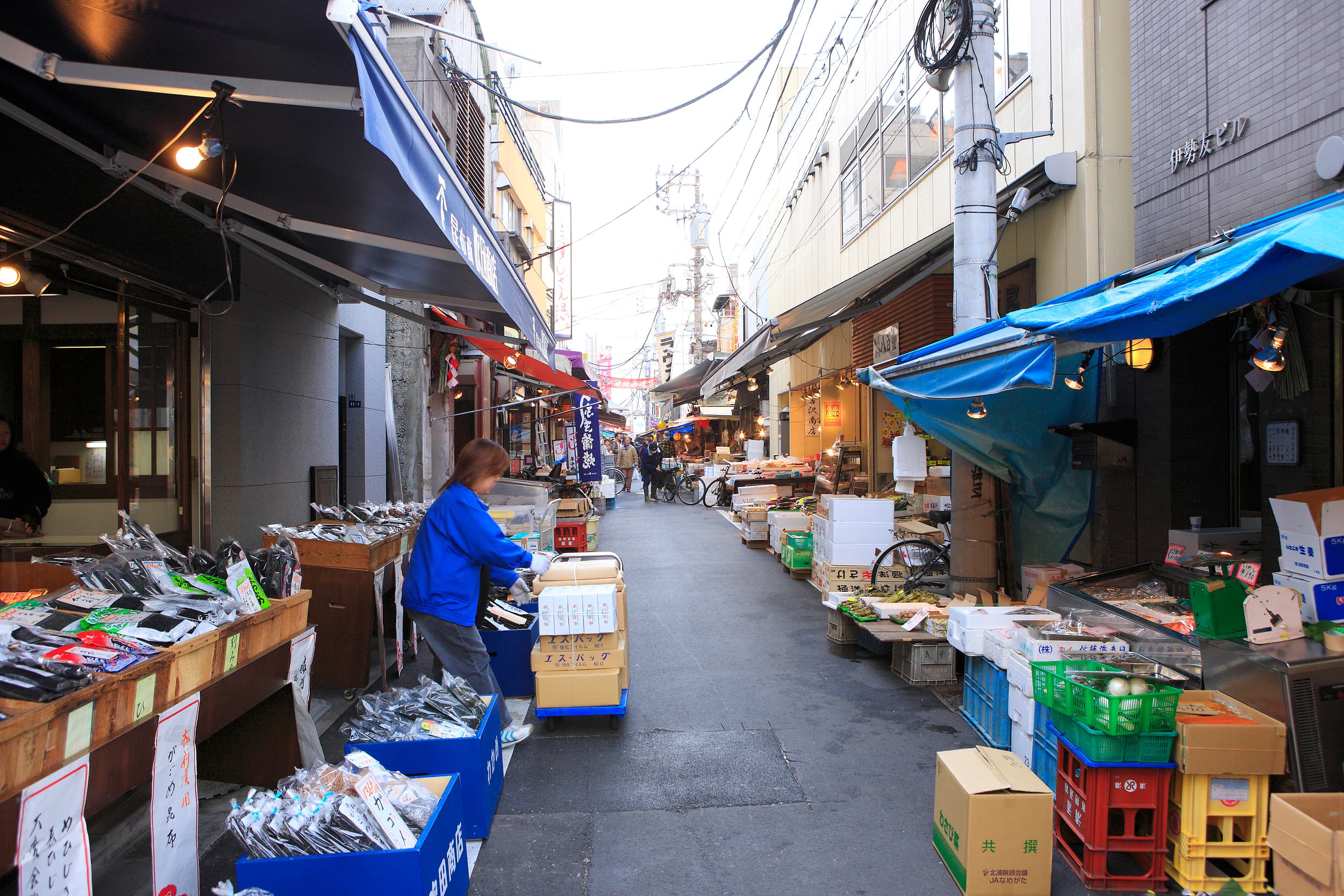
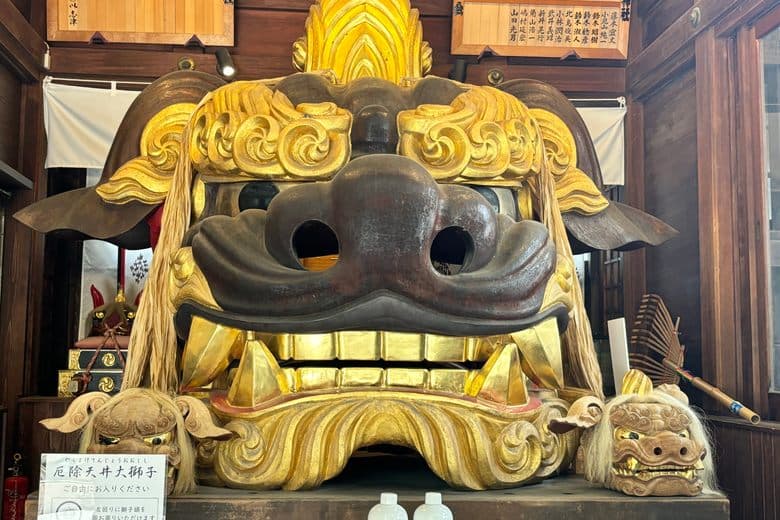
Visitors consistently highlight the shrine's two monumental lion heads as its most striking feature. The larger, one-tonne "Great Heavenly Shishi" (Tenjō Ōjishi) with its golden grin, and the vibrant vermillion, 700kg "Benzaiten Black-Toothed Shishi" (Benzaiten Ohaguro Shishi), are frequently praised for their impressive size and intricate details. Reviewers often note the unique experience of seeing these powerful symbols, especially when they are paraded during the Tsukiji Shishi Matsuri Festival. Many find the shrine to be a peaceful and culturally rich contrast to the bustling market nearby, offering a moment of reflection.
For a fulfilling visit, allocate about 30 minutes to an hour to fully appreciate the shrine and its lion heads. The best time to visit is in the morning, before or after exploring the Tsukiji Outer Market, as it tends to be less crowded. Visitors are reminded that this is an active place of worship and respectful behavior is expected. There is no entry fee, making it an accessible cultural experience. Consider bringing a camera to capture the intricate details of the lion heads, but be mindful of others.
The shrine is conveniently located very close to the Tsukiji Outer Market. The nearest subway station is Tsukiji Station on the Tokyo Metro Hibiya Line, or Tsukijishijo Station on the Toei Oedo Line. From either station, the shrine is just a short 5-10 minute walk. Look for signs pointing towards the market, and the shrine will be easily identifiable in the vicinity. Driving is generally not recommended due to limited parking and heavy pedestrian traffic in the market area.
A common point for visitors is that the shrine itself is relatively small. Some might find it less grand than larger, more famous shrines. To mitigate this, approach the visit with an appreciation for its historical significance and the unique artistry of the lion heads, rather than expecting a sprawling complex. Focusing on the details and the story behind the shrine enhances the experience significantly.