The Fukagawa Edo Museum is a captivating local history museum that transports visitors to the Tenpō era (1830-1844) of Edo, the former name of Tokyo. Unlike traditional museums, its centerpiece is a meticulously crafted, life-sized indoor replica of a Fukagawa-Sagachō village street. This immersive exhibit allows for a tangible connection to the past, showcasing the daily lives of common people through detailed homes, shops, and communal spaces, complete with a canal, fire lookout tower, and even a small shrine.
Visitors consistently praise the museum's immersive quality, noting how the changing lighting simulates day and night, and sound effects like hawkers' cries and rain enhance the atmosphere. Many highlight the interactive nature, where one can enter buildings, open drawers, and touch many of the exhibits, making it particularly engaging for children. A recurring theme in reviews is the exceptional volunteer guide service; many visitors recount receiving personalized, in-depth tours from English-speaking guides who bring the village to life with stories about its fictional inhabitants and historical context. These guides are often credited with significantly enhancing the overall experience, providing insights that might otherwise be missed due to limited English signage.
To make the most of your visit, plan for at least 1 to 2 hours, especially if you engage with a volunteer guide. Reviewers suggest wearing comfortable shoes, as you'll be walking through the village and potentially removing your shoes to enter some of the replica homes. Arriving earlier in the day might offer a quieter experience, increasing your chances of a personal tour. While the museum is smaller than the larger Edo-Tokyo Museum, its focus and interactivity are often preferred by those seeking a more intimate experience. Don't miss the short video at the entrance, which explains the construction of the exhibit.
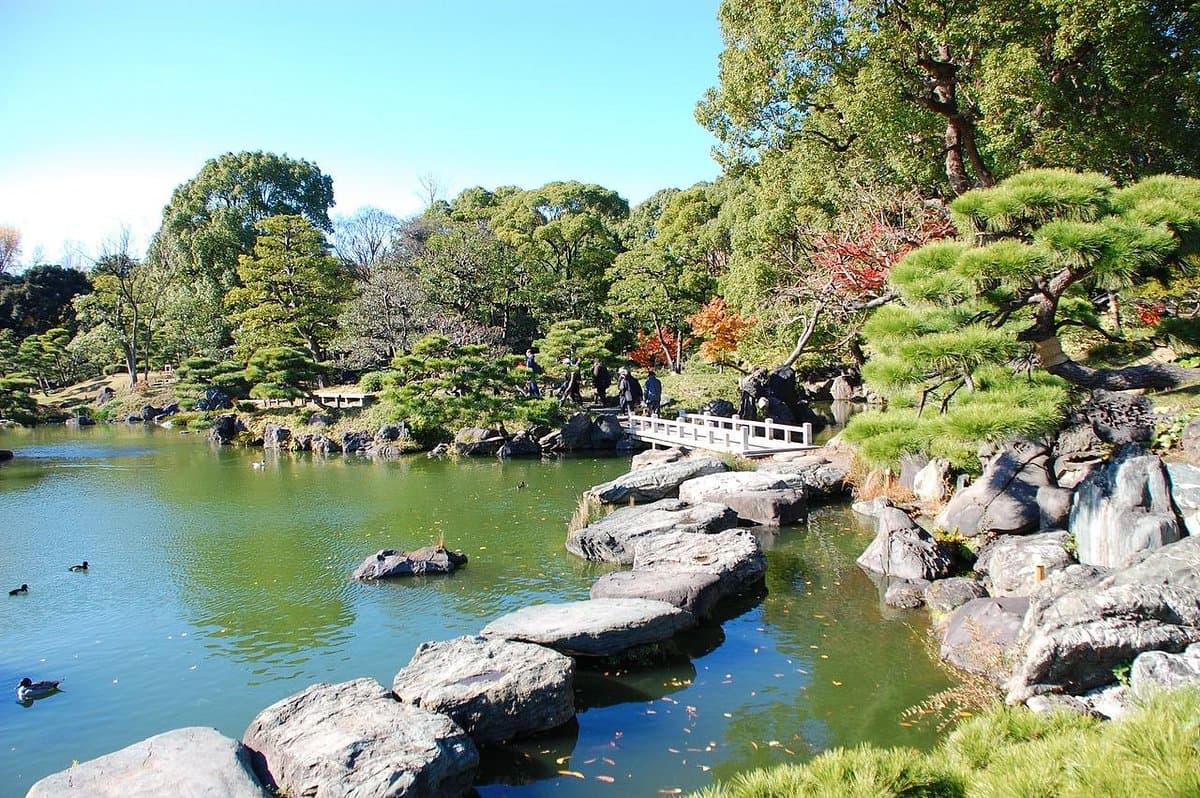
The museum is conveniently located a few minutes' walk from Kiyosumi-Shirakawa Station (清澄白河駅). Reviewers recommend taking exit A3, which has an elevator, to reach street level. From there, it's a short walk past a couple of small temple complexes. Public transport is highly recommended, as parking in the area can be challenging. The museum's proximity to Kiyosumi Garden and the Fukagawa Fudodo makes it an excellent addition to a half-day itinerary in the Koto Ward.
A common complaint, particularly from those who don't get a volunteer guide, is the limited English explanations on static displays. To mitigate this, actively seek out a volunteer guide upon entry; many reviewers emphasize that this transforms the experience. Also, while the museum is interactive, some visitors have noted strict rules against eating or drinking inside the main exhibit area, so be mindful of this during your visit.