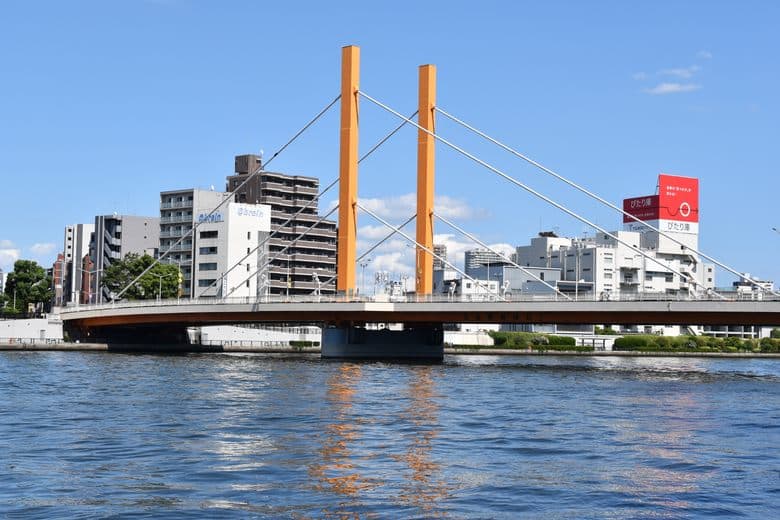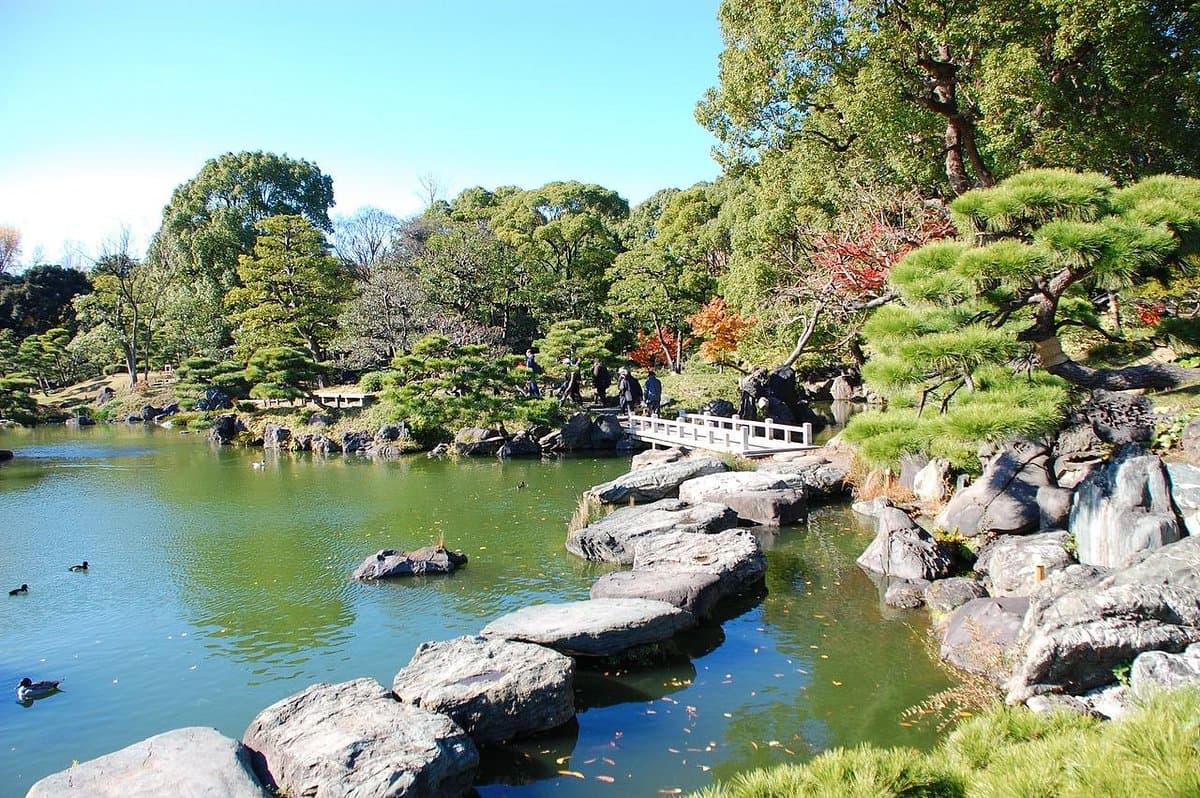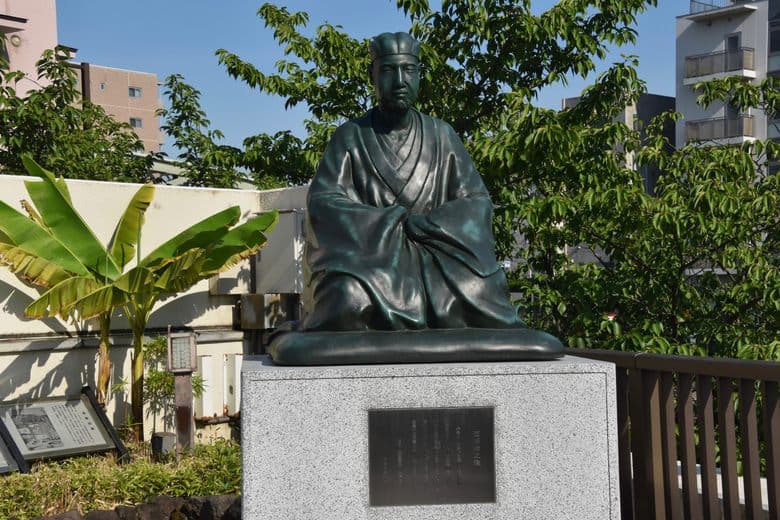
The Basho Memorial Statue is a tribute to Matsuo Bashō, the revered haiku poet, situated within the Bashō Heritage Garden in Tokyo's Fukagawa area. This location is significant as it's believed to be where Bashō composed his iconic 'old pond / frogs jumped in / sound of water' haiku. The garden itself is a humbly restored historic landmark, offering a glimpse into the poet's life and a pleasant view of the Sumida River.
Visitors primarily come to the Bashō Heritage Garden for its historical significance and the tranquil atmosphere. The statue itself is a life-size depiction of Bashō seated on a zabuton cushion. A unique feature, often discussed by those who visit, is its subtle movement: after the garden closes at sunset, the statue rotates 45 degrees to face the Sumida River, remaining in this position until morning. This movement is not easily observed by the public, adding to its mystique and making it a point of interest for those who appreciate such details.
For those interested in visiting, it's recommended to allocate about 30-60 minutes to explore the Bashō Heritage Garden and appreciate the statue. The best time to visit is during daylight hours to fully experience the garden, though the statue's rotation occurs after sunset. There isn't much else to see beyond the garden and the statue, so it's best combined with other activities in the Fukagawa district. Bringing a camera is advisable for capturing the serene surroundings.
The Basho Memorial Statue is located within the Bashō Heritage Garden in the Fukagawa area of Tokyo. The nearest public transport options would likely involve the Tokyo Metro Tozai Line or the Toei Oedo Line, with stations like Monzen-Nakacho or Kiyosumi-Shirakawa being within walking distance. From these stations, visitors can expect a walk of 10-15 minutes to reach the garden. Specific bus routes serving the Fukagawa area may also be available, offering closer access. Driving is generally not recommended in central Tokyo due to limited parking and heavy traffic; public transport is the most efficient way to get around.
A common point of confusion for visitors is the statue's movement; many expect a more dramatic or visible rotation. It's important to understand that the movement is subtle and occurs only when the garden is closed to the public. To mitigate disappointment, visitors should manage their expectations and appreciate the statue for its historical context and the peaceful setting rather than solely for its mechanical feature.