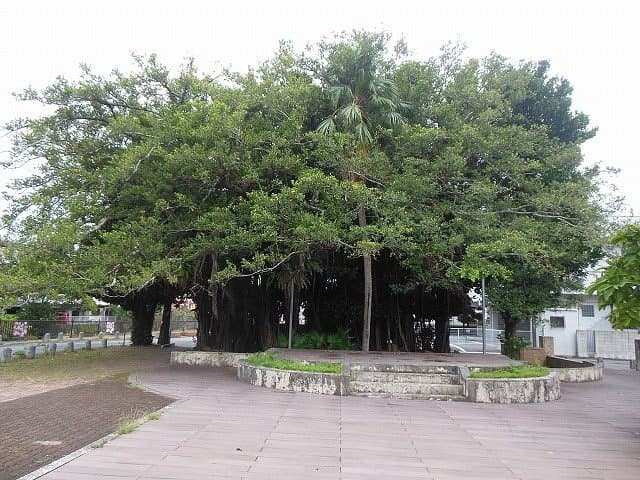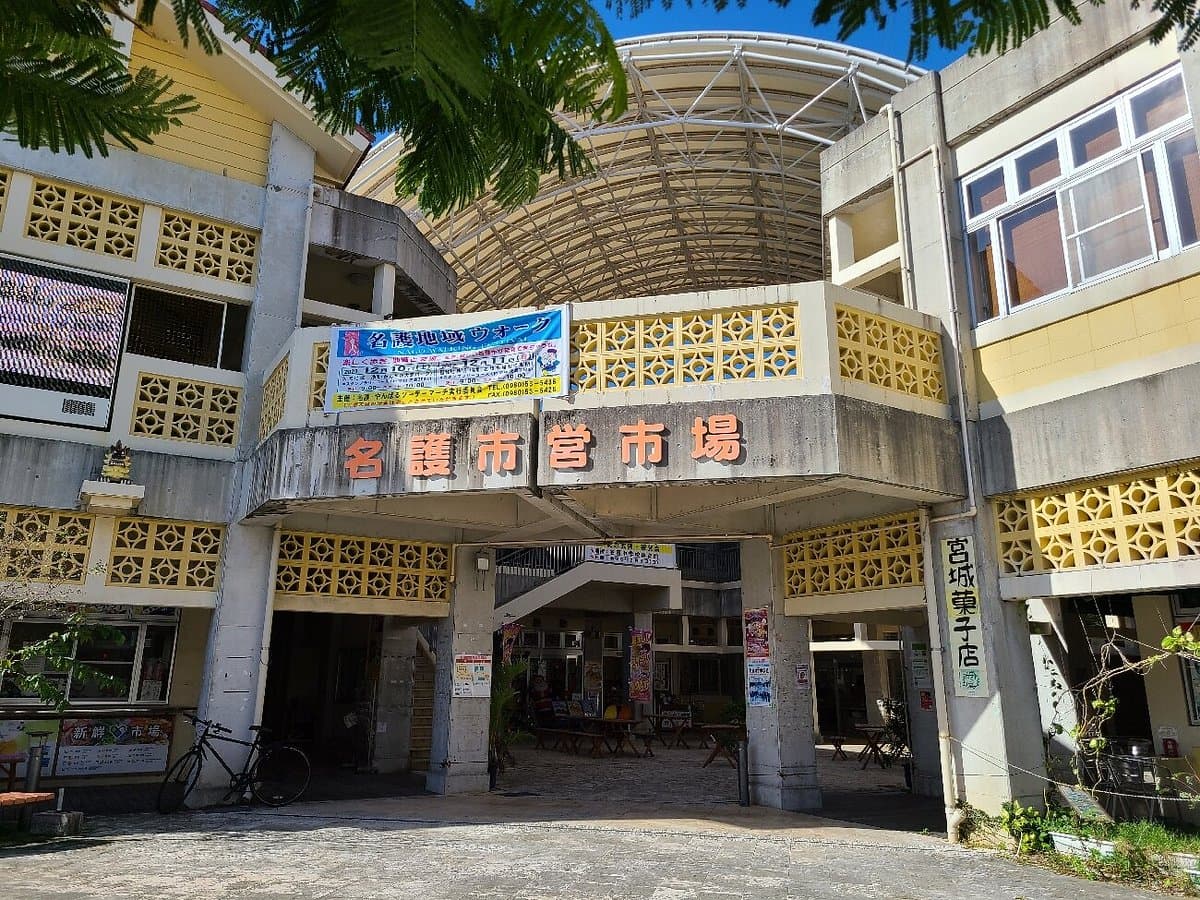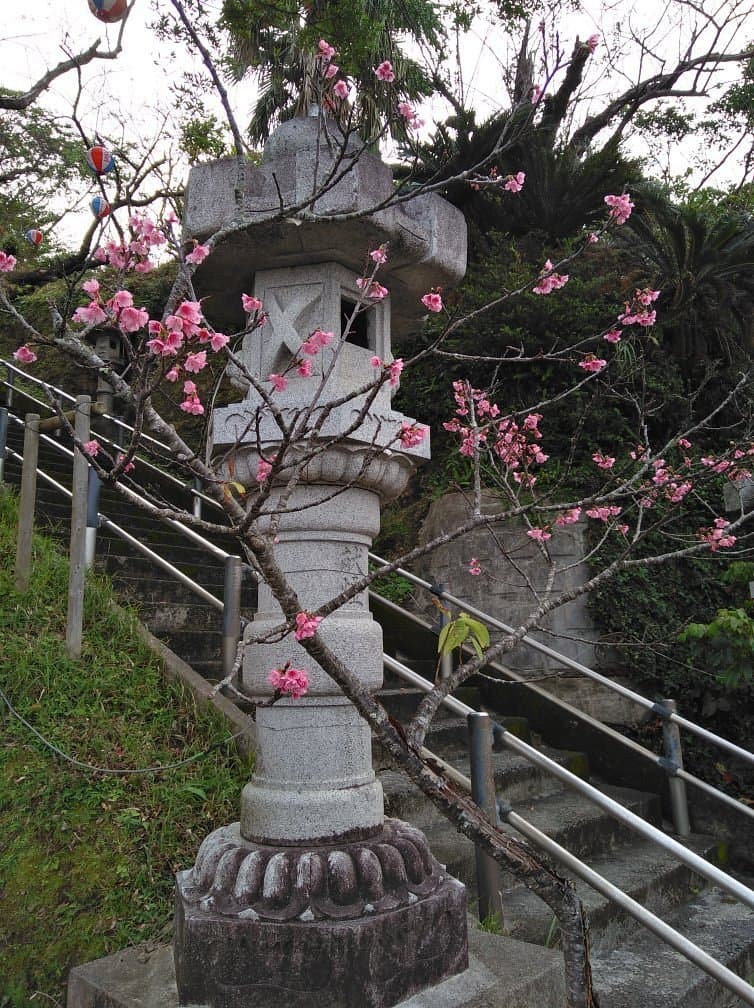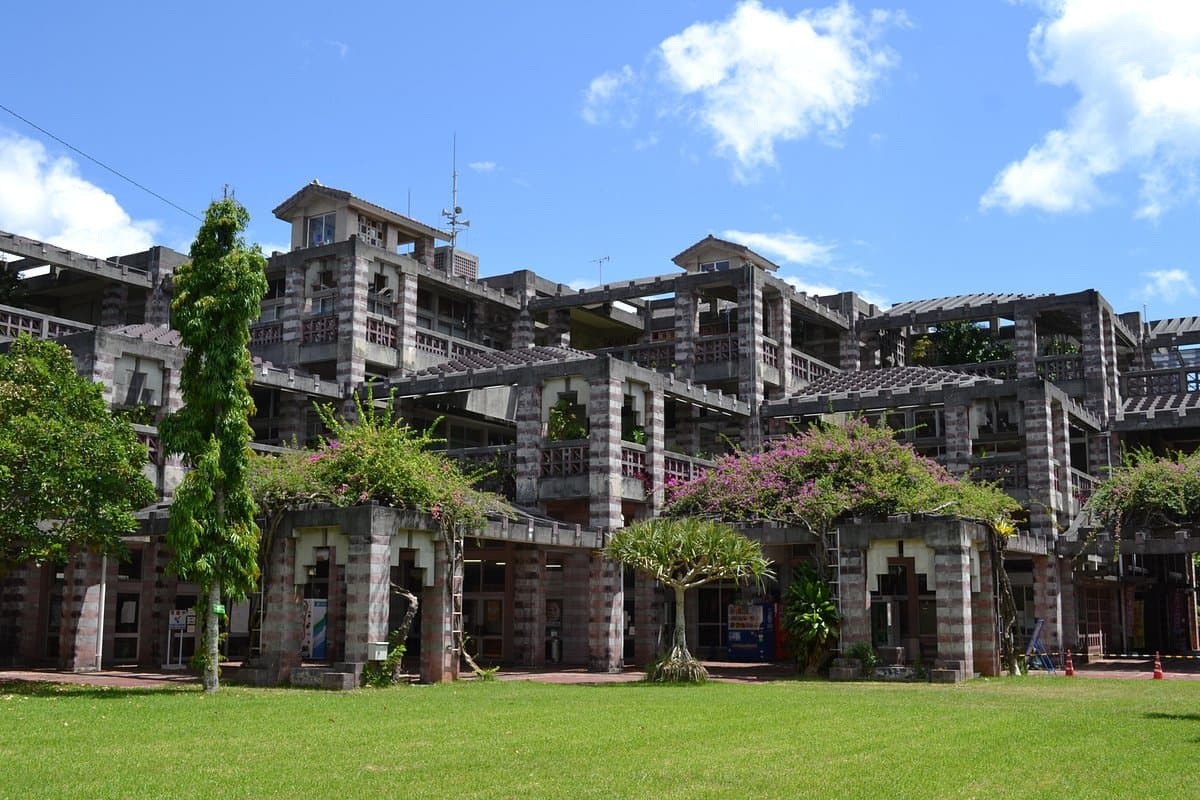
The Nago Museum serves as a vital repository for the natural history and cultural heritage of the Nago region in Okinawa. It provides a chronological journey through the area's past, from its ancient agricultural roots to its more recent industrial activities, making it a significant educational resource for understanding local identity.
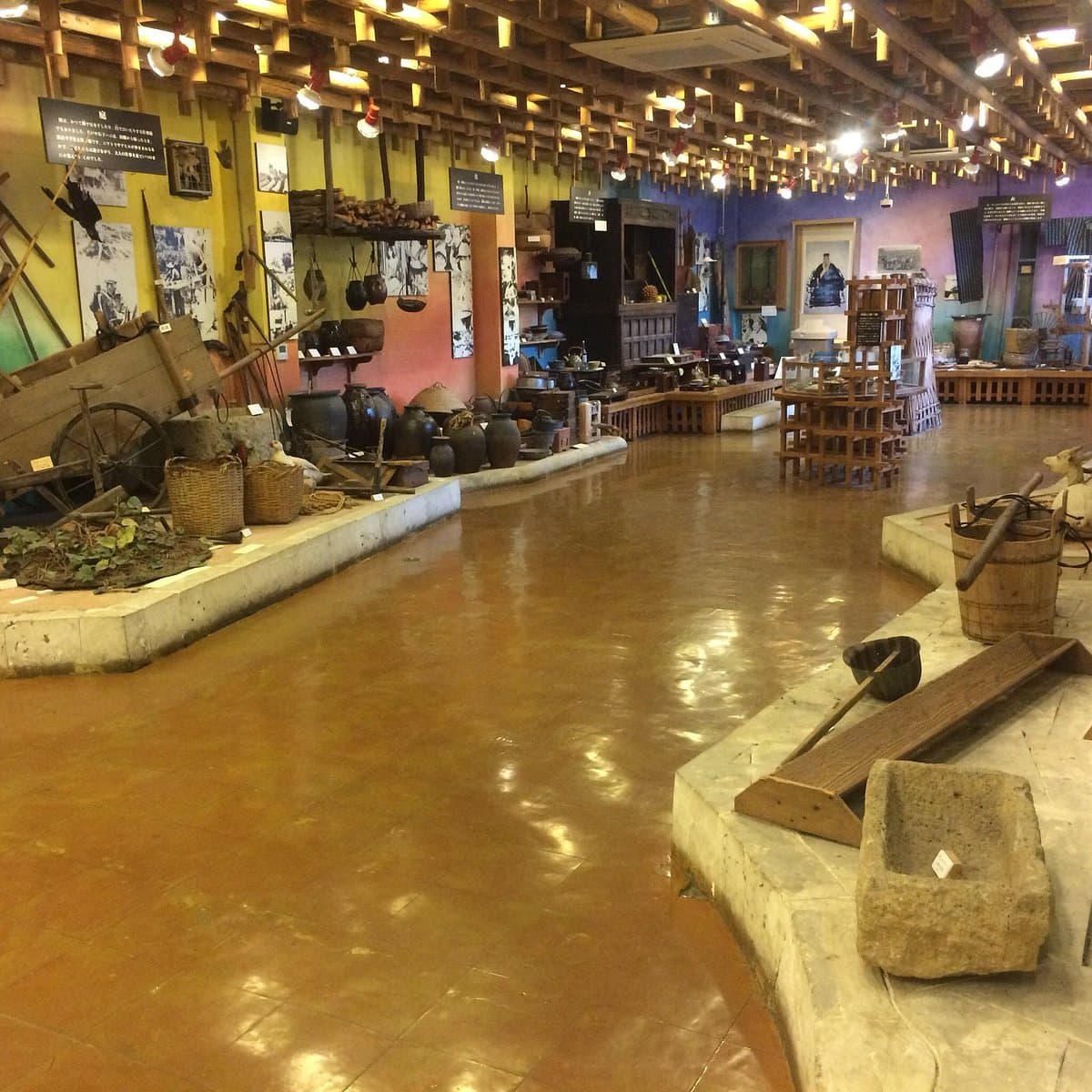
Visitors consistently praise the museum for packing a surprising amount of information into its relatively small space. The ground floor delves into local history from the 12th century, focusing on traditional agriculture, daily life, and dwellings, while the second floor highlights the whaling industry and local flora and fauna. Many reviewers specifically mention the impressive whale skeleton and the fine collections of insects, butterflies, and local wildlife. The outdoor exhibits, particularly the relocated traditional Okinawan houses, are frequently cited as a highlight, offering a tangible connection to the past. The museum is also noted for being camera-friendly, allowing visitors to capture memories of the exhibits.
For a fulfilling visit, allocate about 1 to 2 hours. The museum is particularly recommended for a rainy day, as it offers a climate-controlled environment to explore. Reviewers suggest that while it's an interesting stop, it might not warrant a special trip if you are not already in the Nago area. The admission fee is quite low, making it an affordable cultural experience. Consider combining your visit with other local attractions to make the most of your time in Nago.
The Nago Museum is located in a residential area, and while some reviewers mention it being in the middle of the city, others note its location on the mountain side of Nago City in an area called Onaka. Due to its somewhat secluded location, visiting by car is highly recommended for convenience. Parking can be an issue, with some visitors reporting difficulties finding a spot. There is no specific public transport information readily available in reviews, reinforcing the suggestion to use a private vehicle or taxi.
A common minor complaint is the museum's size; some visitors find it smaller than expected. However, most agree that it makes efficient use of its space. To mitigate any disappointment, approach the museum with the expectation of a focused, rather than expansive, collection. Its strength lies in its detailed local focus rather than grand scale.