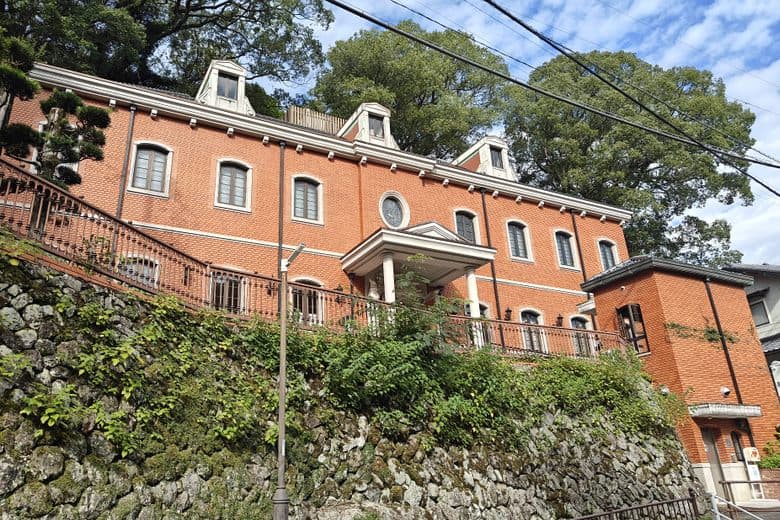
The Siebold Memorial Museum is dedicated to Philipp Franz von Siebold, a German physician and botanist who played a crucial role in introducing Western science, particularly medicine, to Japan during the Edo period. Often referred to as one of the fathers of 'Rangaku' (Dutch studies), his contributions significantly influenced Japan's modernization. The museum, a replica of his Leiden home, stands on the former site of one of his clinics in Nagasaki, offering insights into his life, family, and the profound impact he had on Japanese society.
Visitors consistently praise the museum for its detailed exhibits and the comprehensive overview of Siebold's life and work. Reviewers highlight the well-preserved artifacts and the educational value, especially for those interested in the unique historical relationship between Japan and the Netherlands. The museum effectively conveys the challenges and triumphs of cultural exchange during a period of Japanese isolation. However, some visitors note that the museum's content is quite specific, appealing more to history buffs or those with a particular interest in Siebold's legacy rather than general tourists.
To make the most of your visit, allocate about 1 to 2 hours. The museum is relatively small, but the information is dense. It's advisable to visit during the week to avoid potential crowds, though it rarely gets very busy. Consider bringing a small notebook if you wish to take notes, as the information can be quite detailed. There are no specific items to bring or skip, but a general interest in history or medicine will enhance your experience.
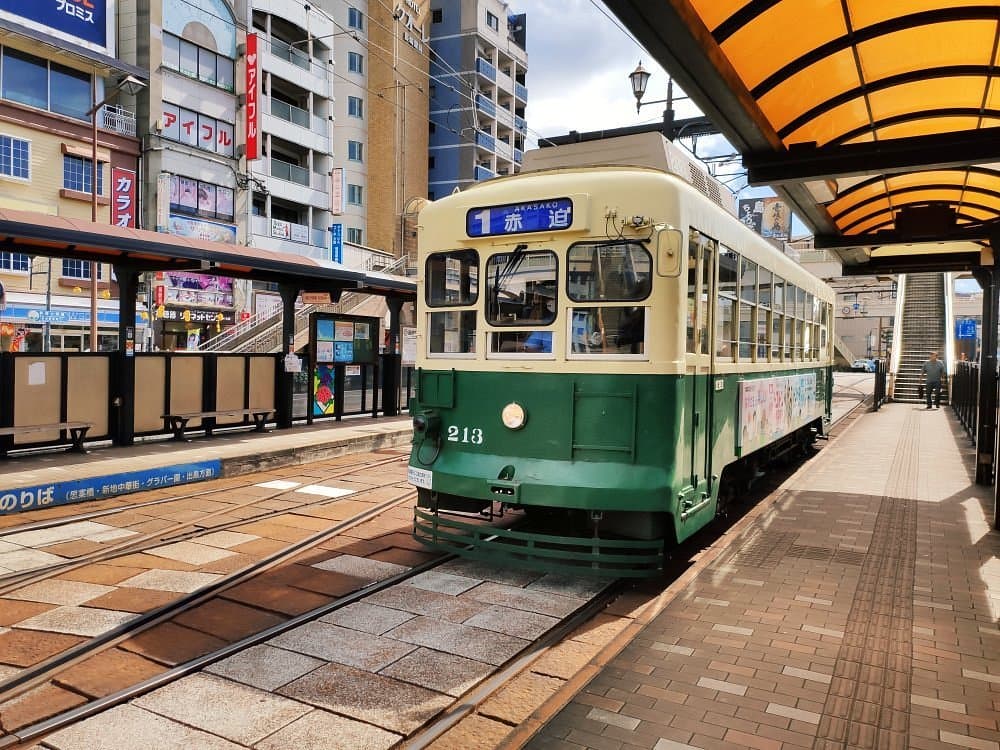
The museum is located north of Nagasaki, close to a school Siebold founded. While specific public transport lines are not frequently mentioned in reviews, Nagasaki has a comprehensive tram system. Visitors can typically reach the area by taking a tram to a nearby stop and then walking a short distance. Driving is also an option, but parking availability might be limited in the immediate vicinity. Always check local public transport maps for the most direct route.
A common complaint among some visitors is the lack of extensive English explanations for all exhibits, which can make it challenging for non-Japanese speakers to fully appreciate the depth of the information. To mitigate this, consider using a translation app or researching Siebold's life beforehand to provide context. The museum's focus is very specific, so if you're not particularly interested in Siebold or Japanese-Dutch history, you might find the experience less engaging.