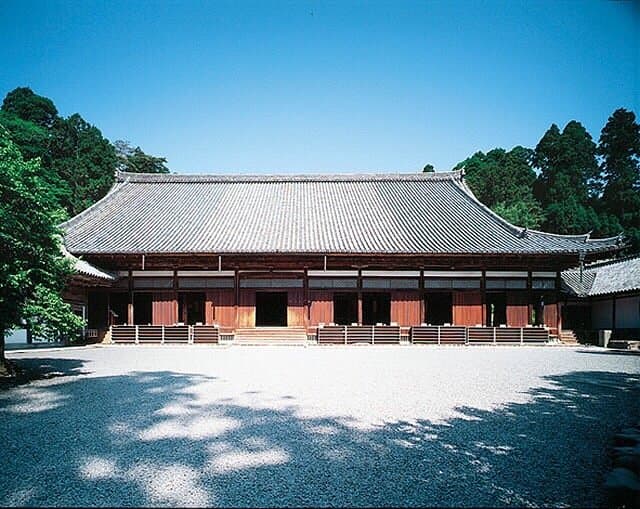
Entsu-in Temple, built in 1646 by Date Tadamune in memory of his son Mitsumune, is a significant historical site in Matsushima. While perhaps less grand than its famous neighbor Zuiganji, it stands out for its exceptional gardens and the mausoleum of Date Mitsumune, an important cultural property. The temple grounds offer a blend of historical reverence and natural beauty, making it a compelling destination for those interested in Japanese history and landscape design.
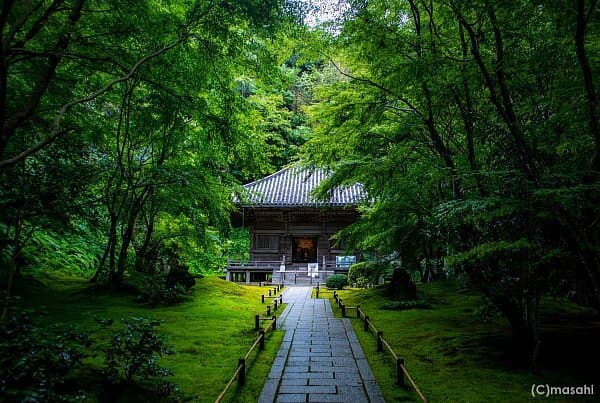
Visitors consistently praise the temple's beautiful and varied gardens, which include a traditional karesansui (dry landscape) garden representing Matsushima Bay, a lush moss garden, and an unusual Western-style rose garden. Many reviewers highlight the tranquility and peacefulness of the grounds, making it an ideal place for a leisurely stroll and reflection. The autumn foliage receives particular acclaim, with many recommending a visit during this season to witness the vibrant colors, especially during the popular night illumination events. The mausoleum of Date Mitsumune, with its intriguing historical details, is also frequently mentioned as a point of interest.
To make the most of your visit, allocate at least an hour, though many suggest longer to fully appreciate the gardens' serenity. Consider visiting in the late afternoon to experience the transition to evening, especially if there's a light-up event. While the temple itself is relatively small, the gardens are the main attraction. Reviewers often recommend combining a visit here with Zuiganji Temple, as they are adjacent. Look out for volunteer English guides, as some visitors report receiving insightful free tours that greatly enhanced their understanding of the site's history and unique features.
Entsu-in Temple is conveniently located in Matsushima, just a short walk from Matsushima Kaigan Station. Many visitors arrive by train, and the temple is easily accessible on foot from the station and other major attractions like Zuiganji Temple. If driving, there is parking available, with some reviewers mentioning the temple's own car park. Its proximity to Zuiganji makes it a natural next stop for those exploring the area's temples.
A common observation is that the temple can get very crowded, particularly during the autumn illumination events. To mitigate this, consider visiting earlier in the day or on weekdays if possible. While the crowds can detract from the peaceful atmosphere, many still find the illuminated autumn leaves to be a worthwhile spectacle. Some visitors also note that the temple building itself might be closed for repairs or less impressive than the gardens, so manage expectations accordingly and focus on the outdoor spaces.