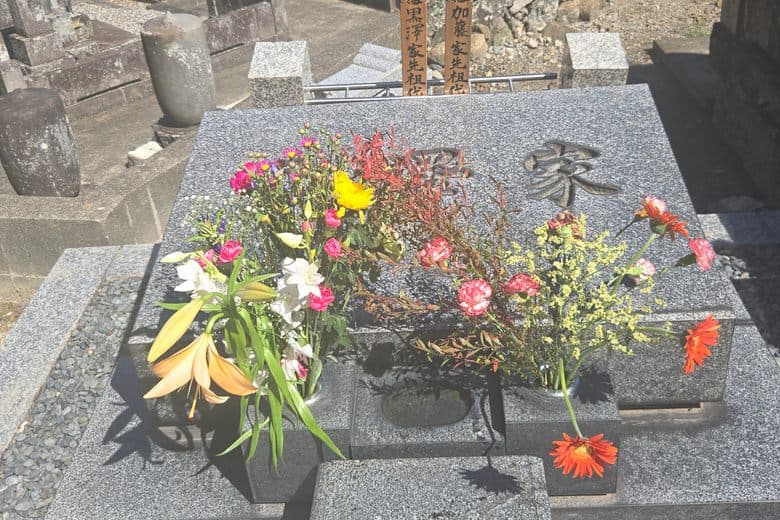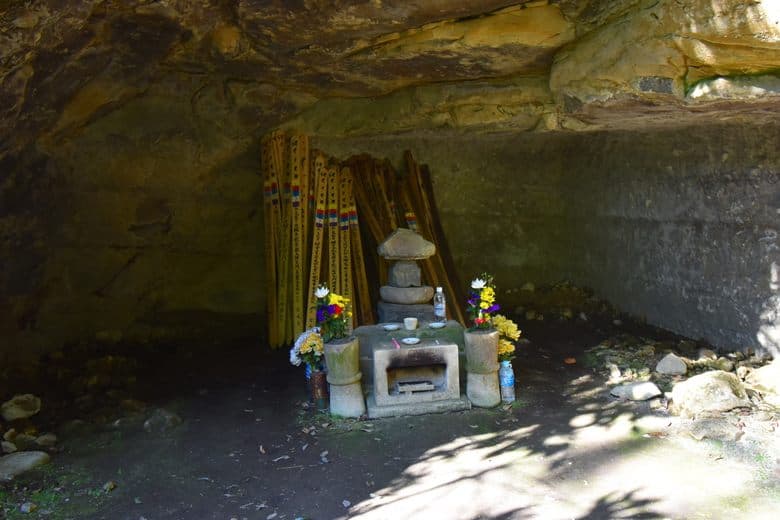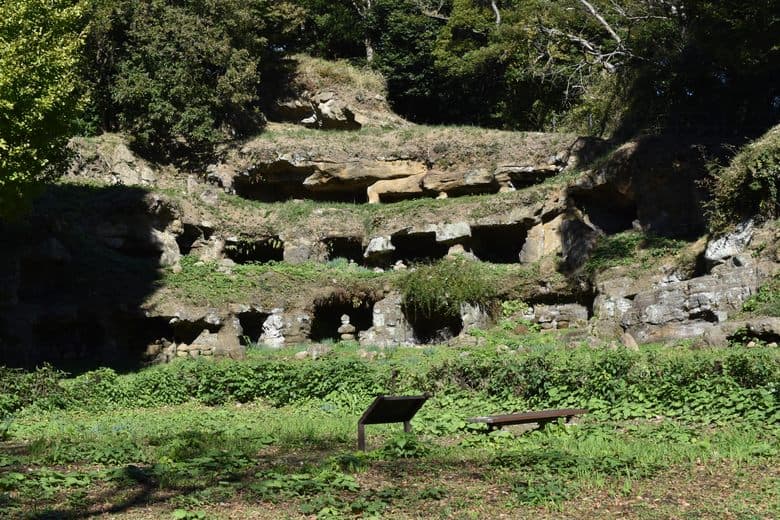
The Mandarado Burial Grottoes are a significant archaeological site in Zushi, historically part of Kamakura, offering a unique window into the funerary practices of medieval Japan. This cluster of approximately 150 artificial grottoes, known as yagura, served as burial places for the upper class, including samurai and Buddhist clergy, from the late 13th to the late 15th centuries. Carved directly into the sandstone cliffs of the Nagoe Pass, one of Kamakura's historic entrances, the site provides a tangible connection to the region's rich past and its distinctive burial culture.
Visitors consistently praise the site's atmospheric and somewhat eerie ambiance, often noting the sense of history and tranquility that pervades the area. The well-preserved nature of the grottoes, despite their age, is frequently highlighted, allowing for a clear appreciation of the intricate carvings and the sheer scale of the burial complex. However, the primary challenge for visitors is the site's extremely limited accessibility; it is only open on select days during specific seasons, which requires careful planning. Those who manage to visit often describe it as a rewarding experience for its historical depth and unique setting.
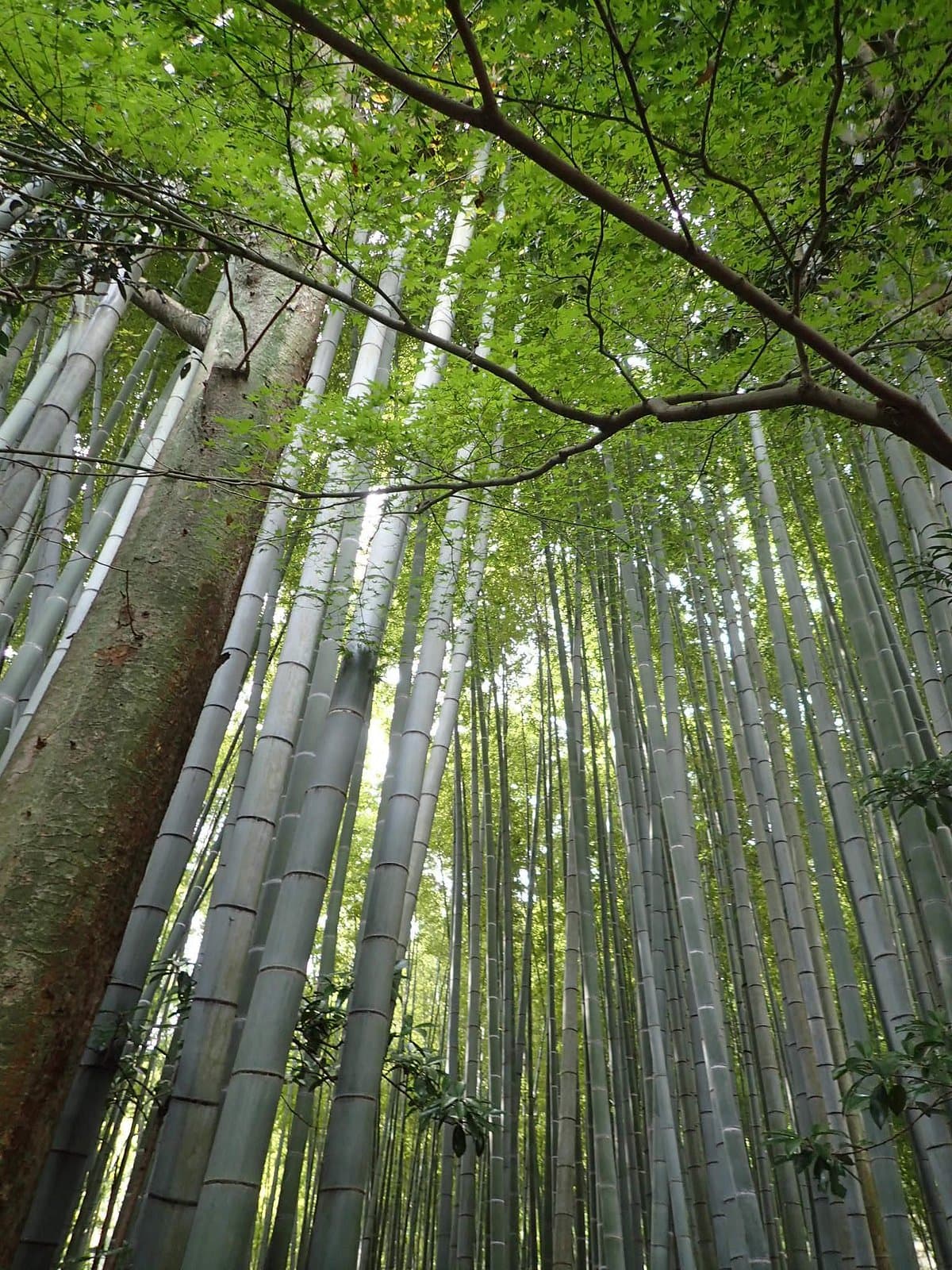
To make the most of a visit, it is crucial to verify the opening days and hours in advance, as the site is usually closed for ongoing archaeological work. Wear comfortable shoes suitable for hiking, as reaching the grottoes involves a walk through wooded, mountainous terrain. Bringing water and perhaps a light snack is advisable, especially during warmer months. While admission is free, donations are appreciated and help support the preservation of this important historical site. Allow at least 1-2 hours for the walk to and from the grottoes, plus time to explore the site itself.
The Mandarado Burial Grottoes are situated in the middle of the Nagoe Pass. From either Kamakura Station or Zushi Station, you can take a local bus towards the entrances of the Nagoe Pass. From the bus stop, expect a walk of approximately 40 minutes through the woods to reach the grottoes. The path can be uneven, so good footwear is essential. Driving to the immediate vicinity is generally not an option due to the mountainous and undeveloped nature of the pass.
The most common complaint revolves around the site's infrequent opening. To mitigate this, always check the official schedule (typically late spring from April-June and early winter from October-December, on Mondays, Saturdays, Sundays, and holidays) before planning your trip. Without prior confirmation, there's a high chance you'll find the site fenced off and inaccessible.