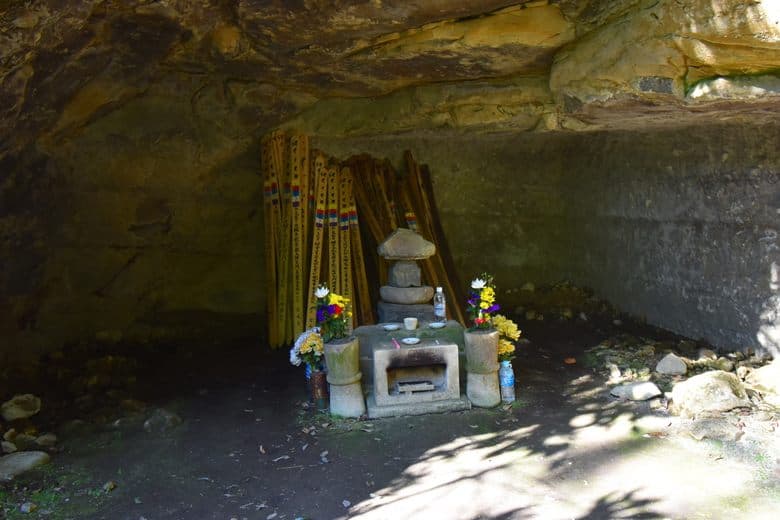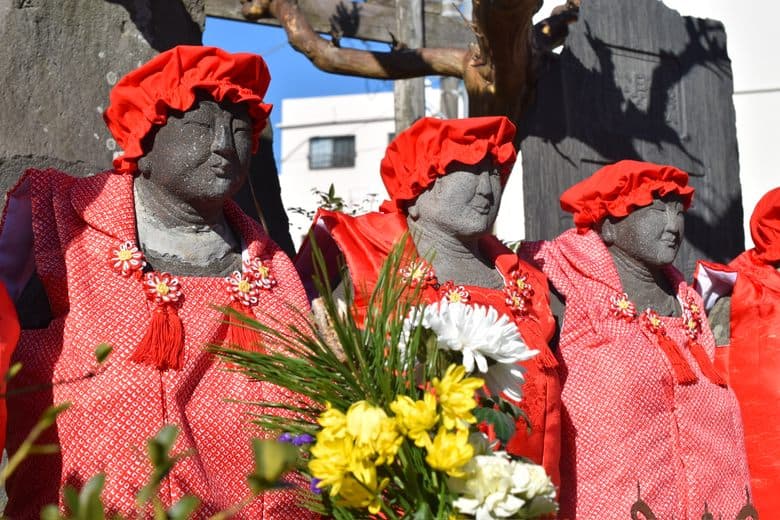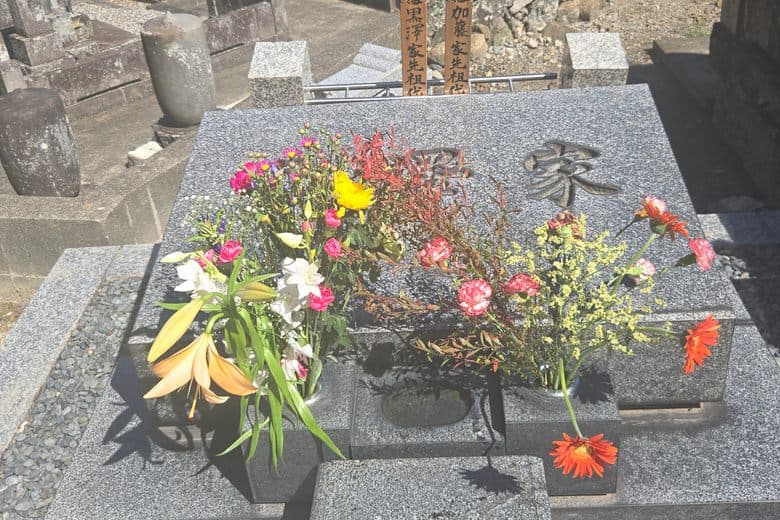
The Grave of Akira Kurosawa is the final resting place of the legendary Japanese filmmaker, interred within the grounds of the Anyo-in Temple in Kamakura. For a director whose work profoundly influenced global cinema, inspiring figures like Steven Spielberg and George Lucas, his grave is notably understated and blends into the serene temple environment. It serves as a pilgrimage site for cinephiles and those wishing to acknowledge his immense contribution to the art form.
Visitors consistently describe the grave as surprisingly modest and peaceful, contrasting with Kurosawa's towering legacy. The experience is often characterized by a sense of quiet reverence. There are no grand monuments, but rather a simple family tomb, which many find fitting for an artist known for his profound yet often subtle storytelling. Reviewers suggest bringing a small offering, such as a bottle of Suntory Whisky or a copy of Dostoevsky's "The Idiot," as a personal tribute, though this is not mandatory.
To make the most of your visit, allocate about 30 minutes to an hour. The best time to visit is during daylight hours when the temple is open, preferably in the morning or late afternoon to enjoy the tranquility. Since it's a place of quiet reflection, avoid loud conversations. There are no specific items to bring other than perhaps a small offering if you choose. The visit is free of charge.
Anyo-in Temple is located at 3 Chome-4-41 Ōmachi, Kamakura, Kanagawa 248-0007, Japan. It is accessible via public transport to Kamakura, followed by a walk. Upon arrival at the temple, do not enter the main gate. Instead, walk along the sidewalk southeast to the next stoplight and turn left. A short distance ahead, you will find a narrow paved walkway between two houses. Follow this path, and the graveyard entrance will be on your right after a few hundred feet. Once inside the graveyard, proceed to the very back, look for a small staircase leading to the upper level, turn right, and Kurosawa’s grave is the last one on the right. This specific navigation is crucial as the grave is not immediately obvious.
The primary 'complaint' or challenge visitors face is locating the grave itself due to its discreet placement within the temple grounds. Following the detailed directions provided above, rather than relying solely on general temple signage, will significantly mitigate this issue. The temple itself is small and quiet, so maintaining respect for the peaceful atmosphere is important.