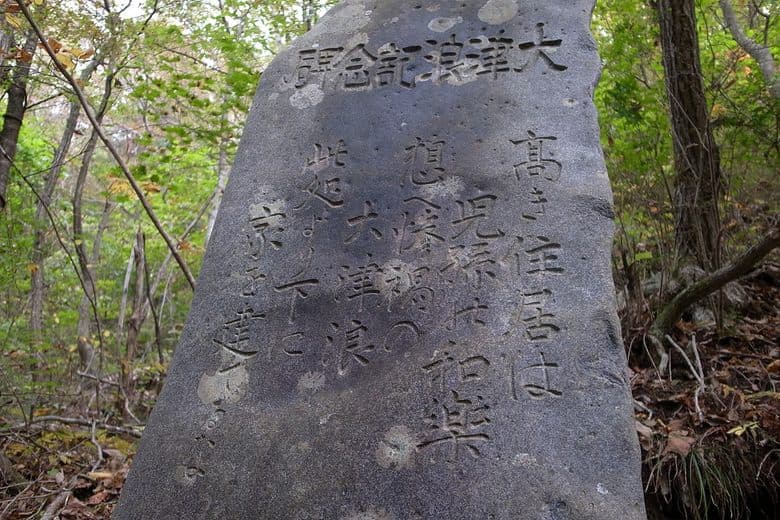
The Tsunami Stones are not a single monument but a collection of historical markers scattered along Japan's coastline, particularly in the northeastern regions. These stone slabs, some centuries old, serve as stark reminders and warnings of the devastating tsunamis that have repeatedly struck the country. They are crucial for understanding Japan's deep connection to its natural environment and its long history of resilience in the face of natural disasters, making them a significant site for those interested in cultural memory and disaster preparedness.
Visitors consistently find the stones to be profoundly moving and thought-provoking. Many praise their powerful message and the way they embody the wisdom passed down through generations. The inscriptions, even when worn, convey a sense of urgency and respect for nature's power. Reviewers often highlight the emotional impact of seeing these markers, especially when considering the 2011 Tōhoku earthquake and tsunami. The stones are seen as a testament to human perseverance and a vital educational tool.
To fully appreciate the Tsunami Stones, visitors should allocate at least 1-2 hours, depending on how many specific stones they wish to visit and the time spent reflecting. It's best to visit during daylight hours to clearly read the inscriptions and appreciate the coastal scenery. Bringing a camera is recommended, not just for photos, but to document the inscriptions for later reflection. Comfortable walking shoes are essential, as many stones are located along coastal paths or in rural areas. There are no entry fees, making this an accessible historical experience.
The Tsunami Stones are spread across various coastal locations, with notable examples in Miyagi Prefecture, such as Kesennuma, and in villages like Aneyoshi. Public transport options vary significantly by location; some stones might be accessible via local bus routes from larger towns, while others may require a car or a taxi. For instance, to reach stones in more remote areas, driving is often the most practical option. Parking availability is generally limited to small pull-offs or local village parking. Always check specific locations for the most accurate transport information. Walking from the nearest bus stop or parking area to individual stones can range from a few minutes to a longer hike.
A common challenge for visitors is the dispersed nature of the stones and the difficulty in finding specific ones, as they are not always clearly signposted as tourist attractions. To mitigate this, it's advisable to research specific stone locations beforehand, using GPS coordinates or local tourism maps. Some inscriptions may be in older Japanese script, which can be challenging to read without prior knowledge or a translation app. Visitors should also be prepared for varying weather conditions along the coast, including wind and rain.