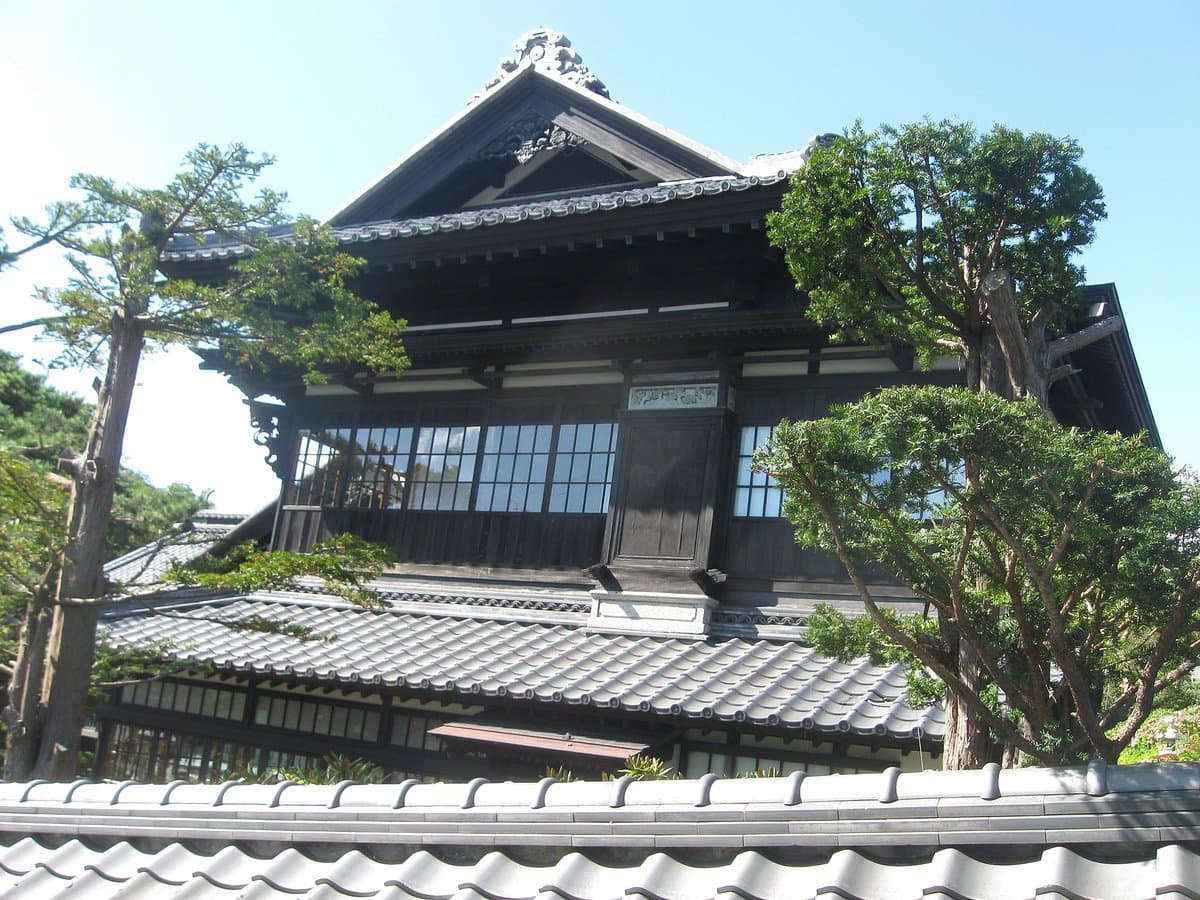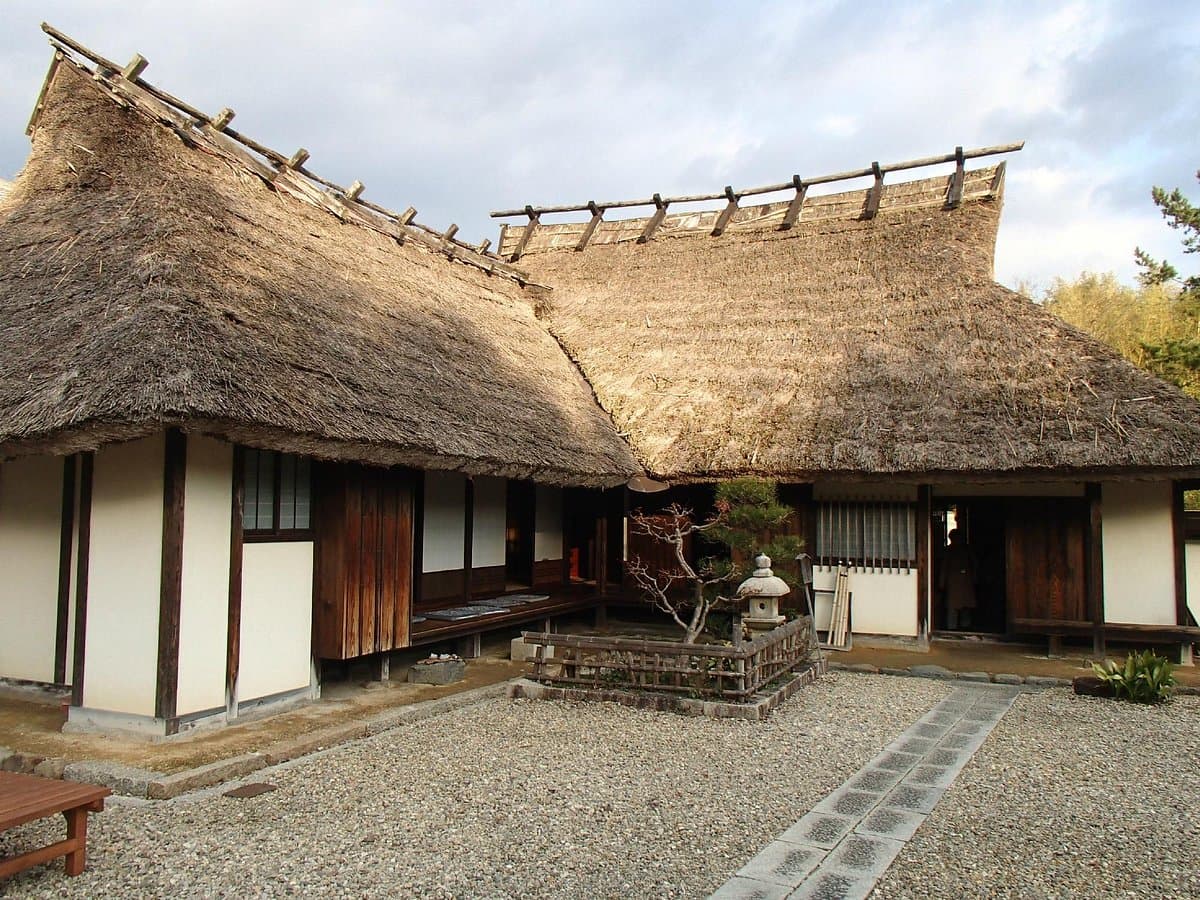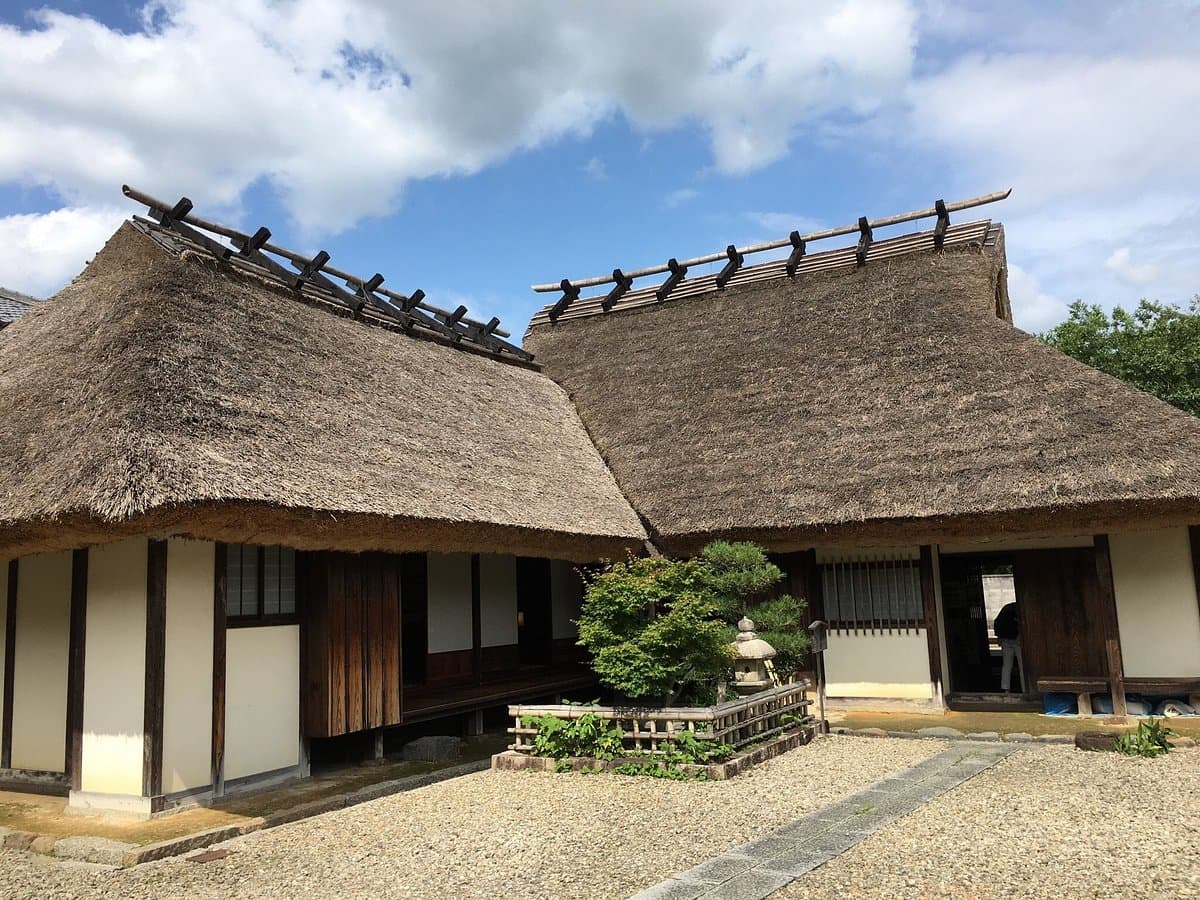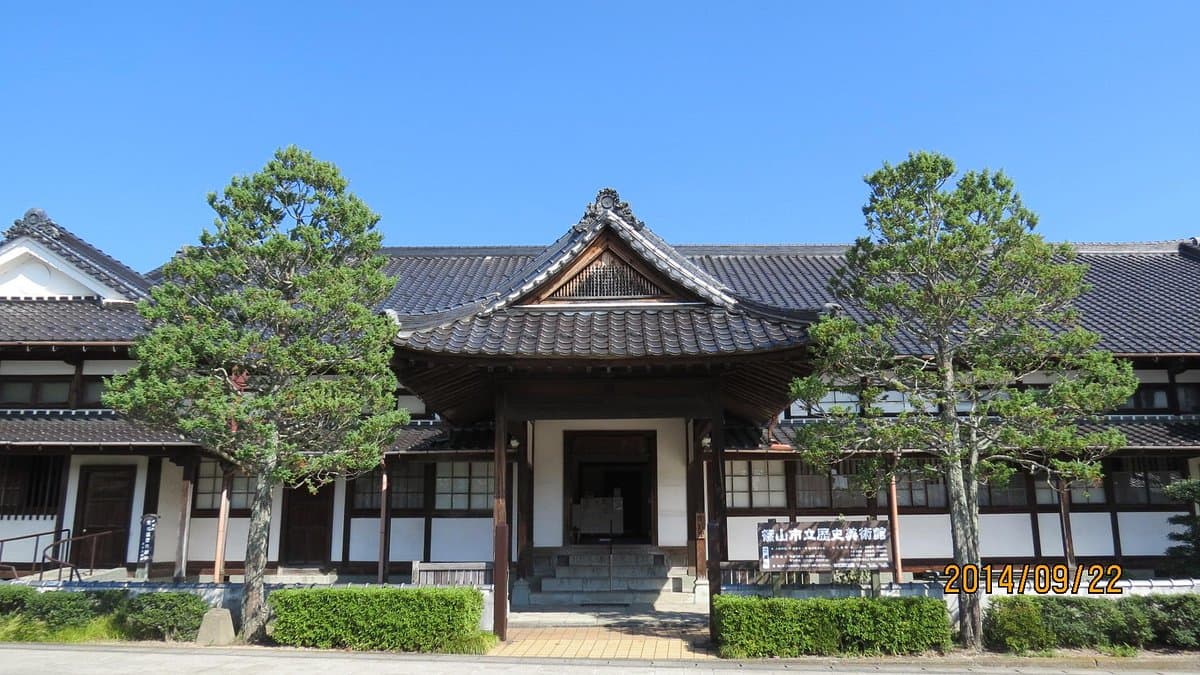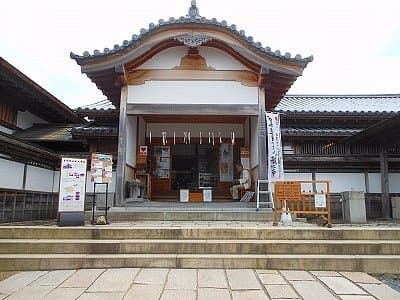
Sasayama Castle Daishoin is a significant reconstruction of the main palace of Sasayama Castle, originally built by order of Tokugawa Ieyasu. While the original structure was lost to fire in 1944, this faithful restoration, completed in the early 2000s based on Edo-period blueprints, offers a rare opportunity to experience the interior of a feudal lord's residence and administrative center. It stands as a testament to the castle's historical importance, which some historians suggest was also intended as a strategic base during the Siege of Osaka Castle.
Visitors consistently praise the meticulous reconstruction, noting how the building, despite its modern origins, effectively conveys the atmosphere of the Edo period. The interior features numerous rooms, from simple, practical spaces to more ornate chambers used for official audiences, adorned with beautiful furnishings and sliding screen paintings (fusuma-e). Reviewers highlight the impressive scale of the large study hall and the various exhibits that provide context to the castle's history and the daily life within its walls.
For a comfortable visit, it is recommended to wear slippers provided at the entrance, as the wooden floorboards can feel cool, even in summer. Visitors suggest allocating about 1-2 hours to thoroughly explore the Daishoin and its exhibits. The best time to visit is during daylight hours to appreciate the architectural details and natural light within the rooms. There are no specific warnings about what to skip, as the entire structure is part of the historical experience.
Sasayama Castle Daishoin is located within the Sasayama Castle ruins. The address is 2-3 Kitashimmachi, Tanba Sasayama, Hyogo Prefecture. While specific public transport details are not highlighted in reviews, Tanba Sasayama is accessible by train. From Osaka, take the JR Fukuchiyama Line (also known as the JR Takarazuka Line) to Sasayamaguchi Station. From there, local buses or taxis can take you to the castle area, which is a short distance away. Driving is also an option, and parking is typically available near the castle grounds.
Common complaints are not explicitly mentioned in the limited reviews, but visitors should be aware that this is a reconstruction rather than an original structure. However, the quality of the restoration is generally well-regarded, mitigating potential disappointment. Those expecting an intact, ancient castle keep might find the experience different, as the focus here is on the palace building itself.