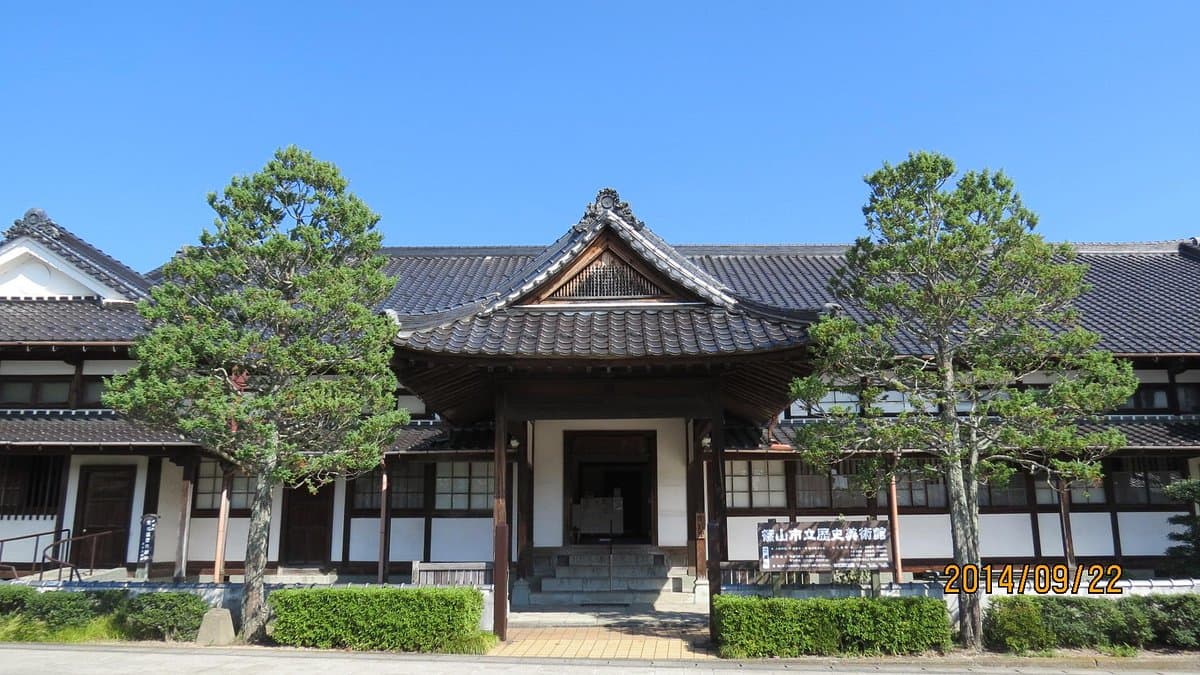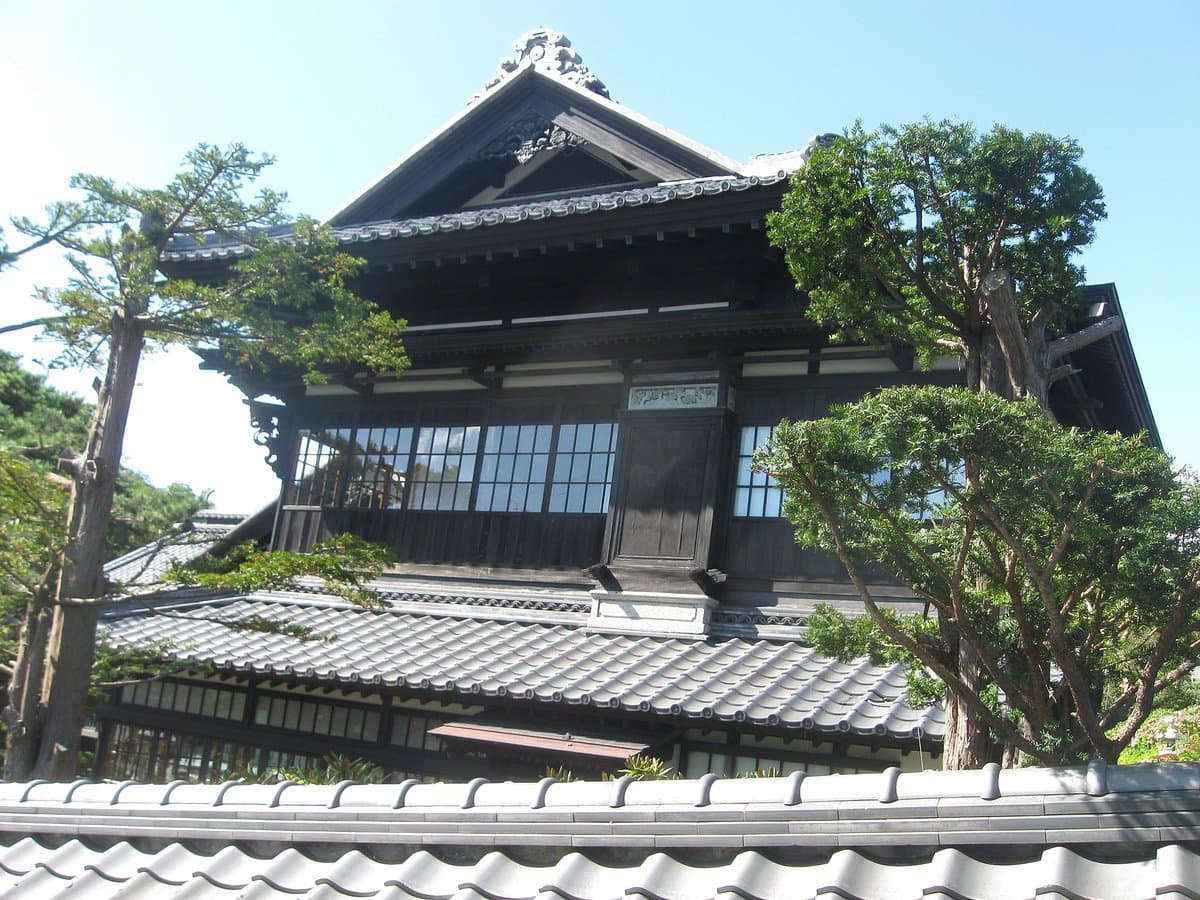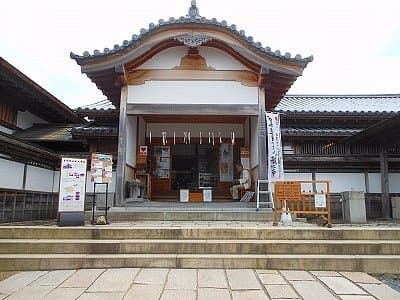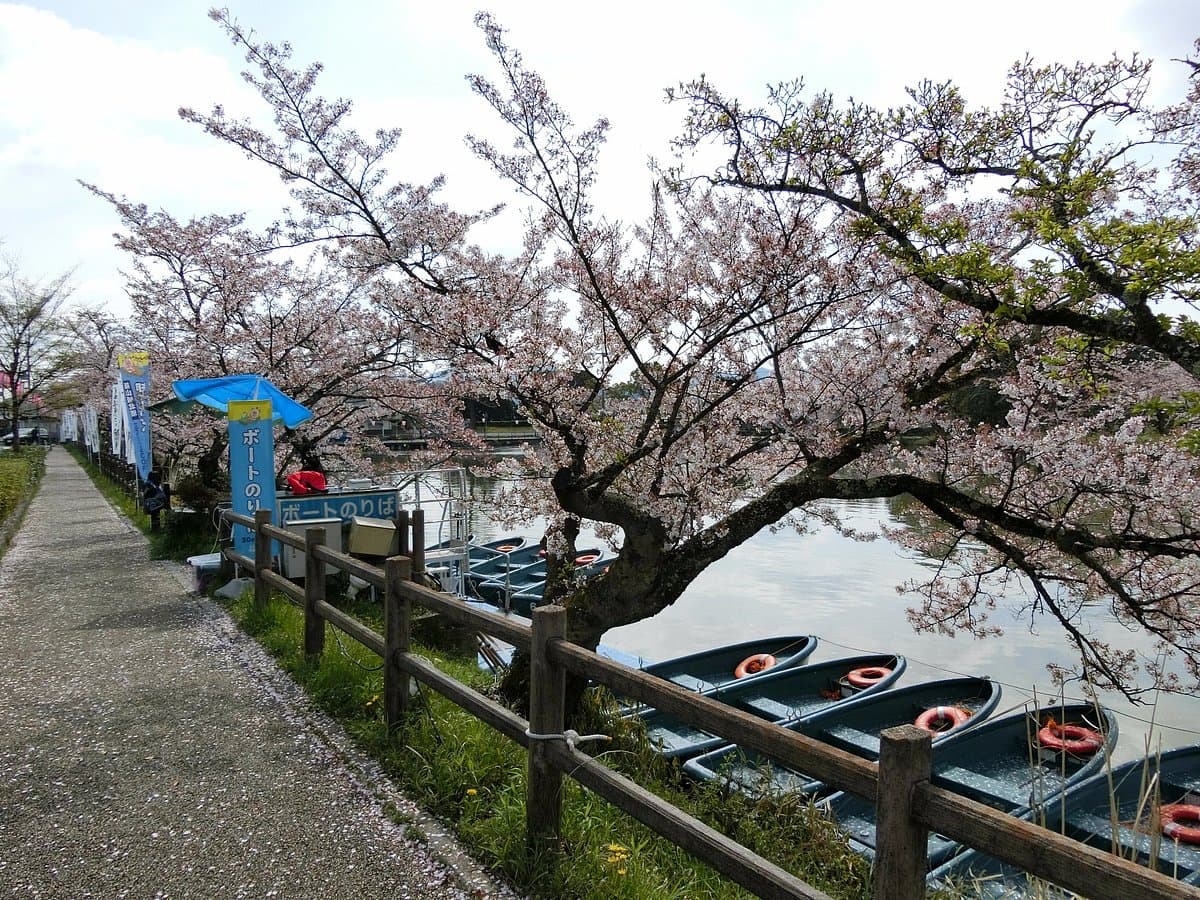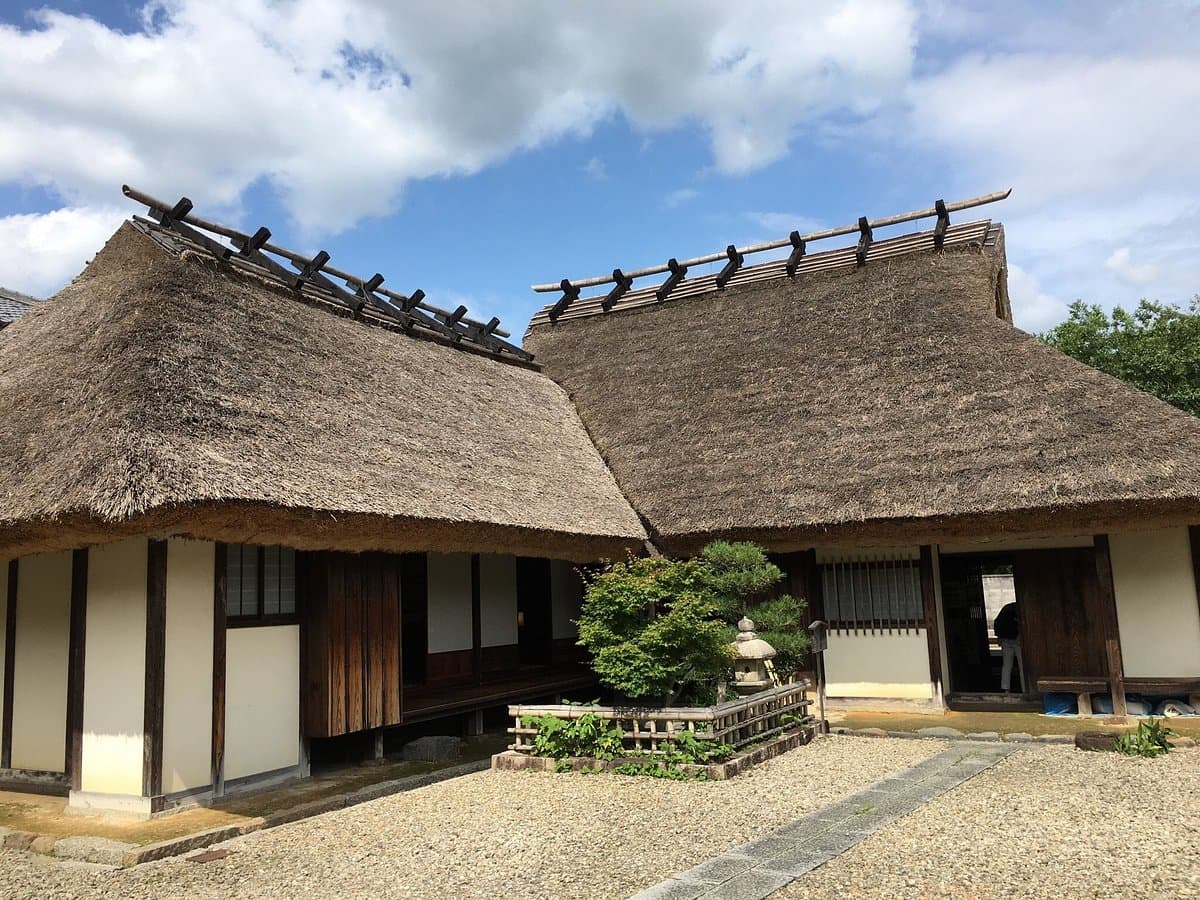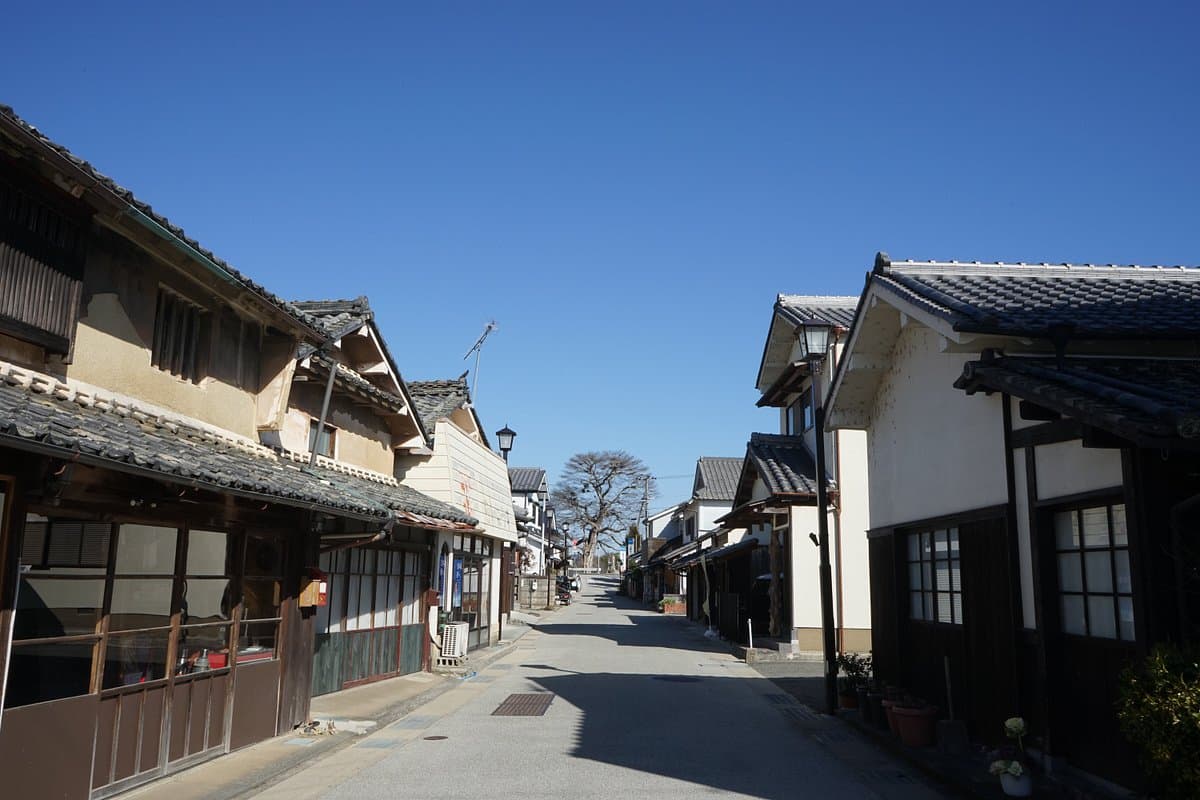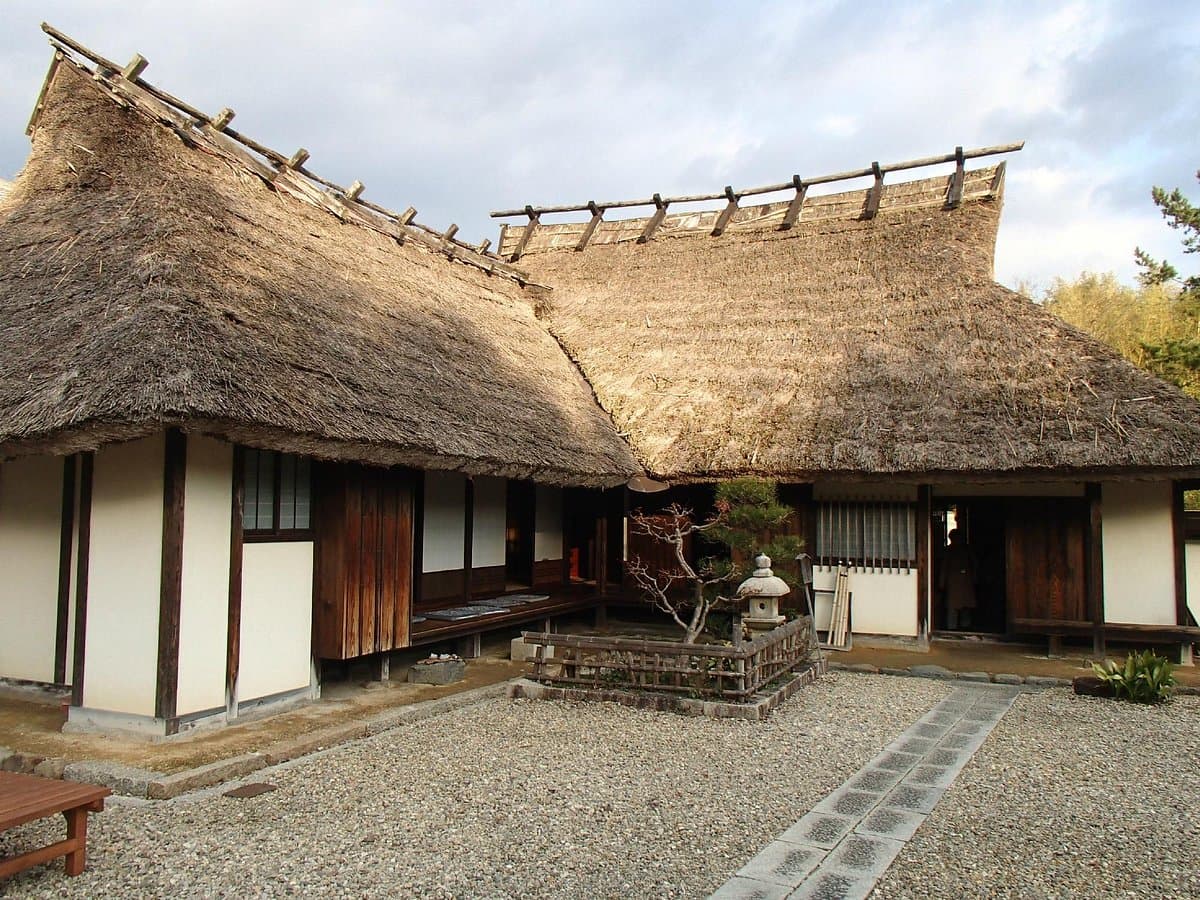
Castle Town, adjacent to the ruins of Sasayama Castle, provides a window into the historical layout and lifestyle of a Japanese castle town. While much of the main urban area has undergone modernization, the charm of its past is still evident in specific pockets, particularly on the west side of the castle ruins and along the outer moat.
Visitors consistently praise the town's peaceful atmosphere, making it an ideal spot for a relaxed stroll. Many highlight the well-preserved samurai residences, some of which are open as museums, offering insights into daily life centuries ago. The presence of unique local shops, including pottery studios where one might meet the artisan, and the Homei Sake Brewery, which also functions as a museum, are frequently mentioned as enjoyable stops. Reviewers appreciate the opportunity to experience a less crowded, more authentic side of Japan, often spotting local wildlife like Japanese monkeys on country roads nearby.
To make the most of your visit, plan for a leisurely pace, allowing 2-3 hours to explore. Comfortable walking shoes are essential, as the best way to experience the town is on foot. Consider visiting in the late morning or early afternoon to allow ample time for browsing shops and museums before they close. Bringing a small amount of cash is advisable for smaller, independent shops. While some areas are modernized, focusing your exploration on the samurai residences and the streets around the castle moat will yield the most historical insights.
Castle Town is located in Tanba Sasayama, Hyogo Prefecture. While specific public transport details are not consistently mentioned in reviews, visitors typically reach this area by car or local bus services from larger train stations. If driving, parking is generally available, though it's best to confirm local parking options. The town itself is walkable once you arrive, with key attractions within a few hundred meters of the castle ruins.
A common observation is that much of the original town has been replaced by modern buildings, and some smaller museums may lack extensive English information. To mitigate this, focus on the clearly marked historical areas and consider using a translation app for museum exhibits if English signage is limited. Embrace the quiet ambiance rather than expecting a bustling, highly commercialized tourist experience.