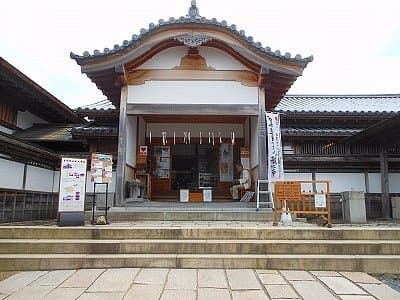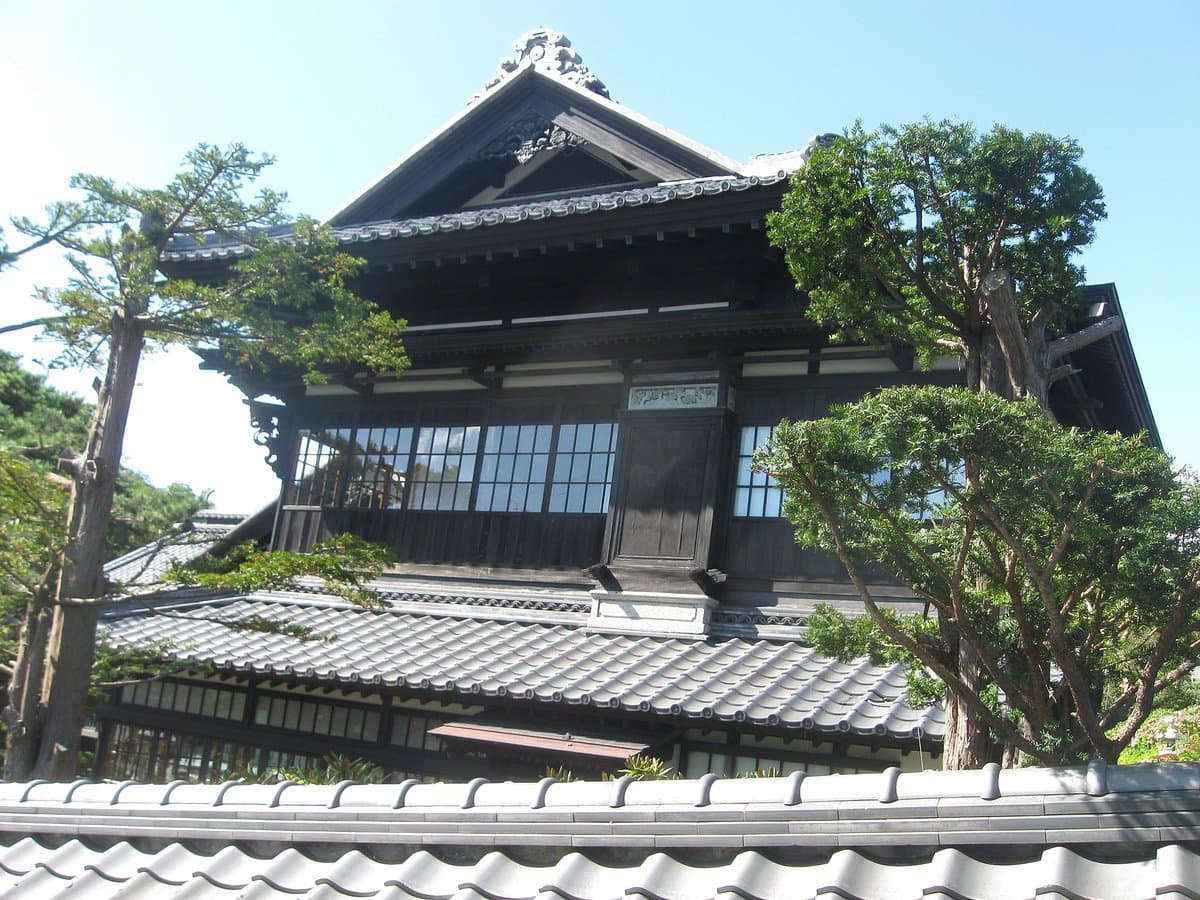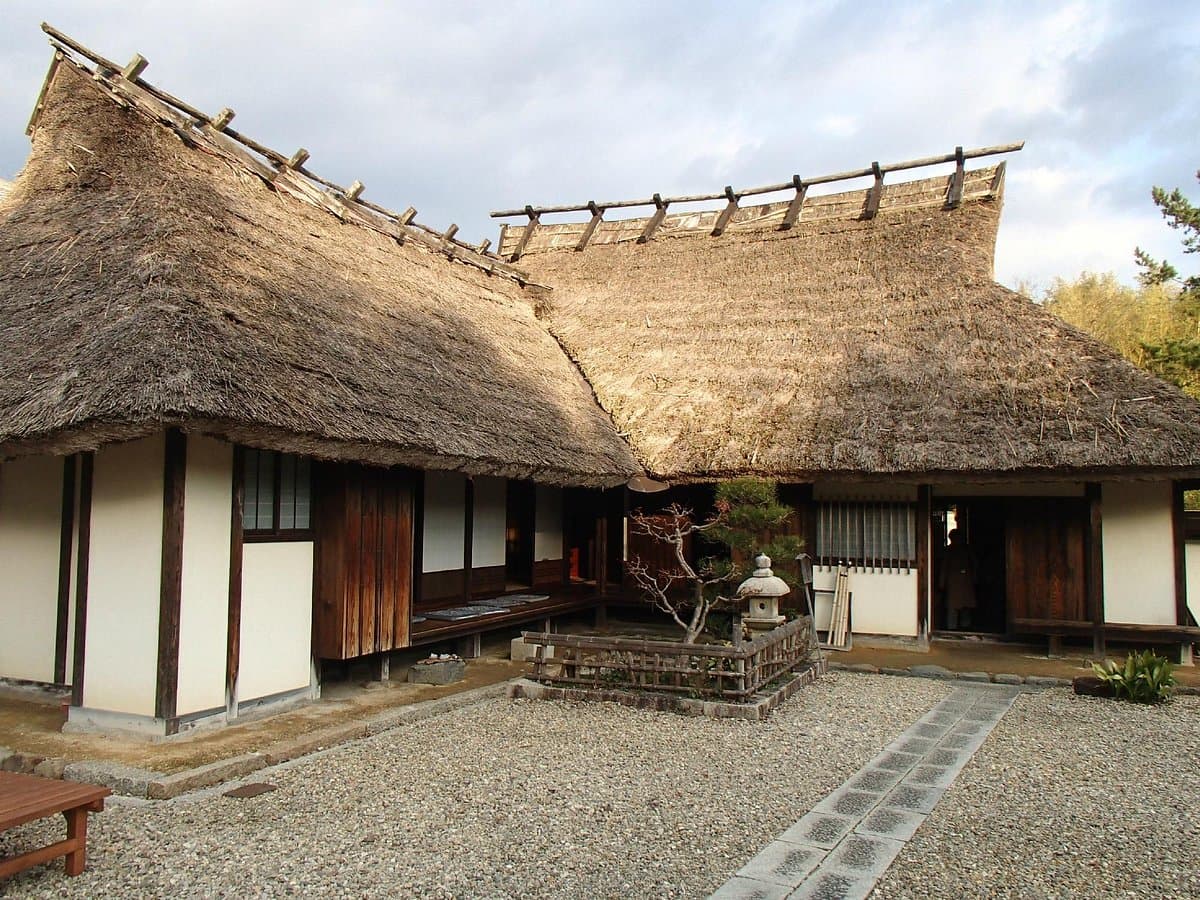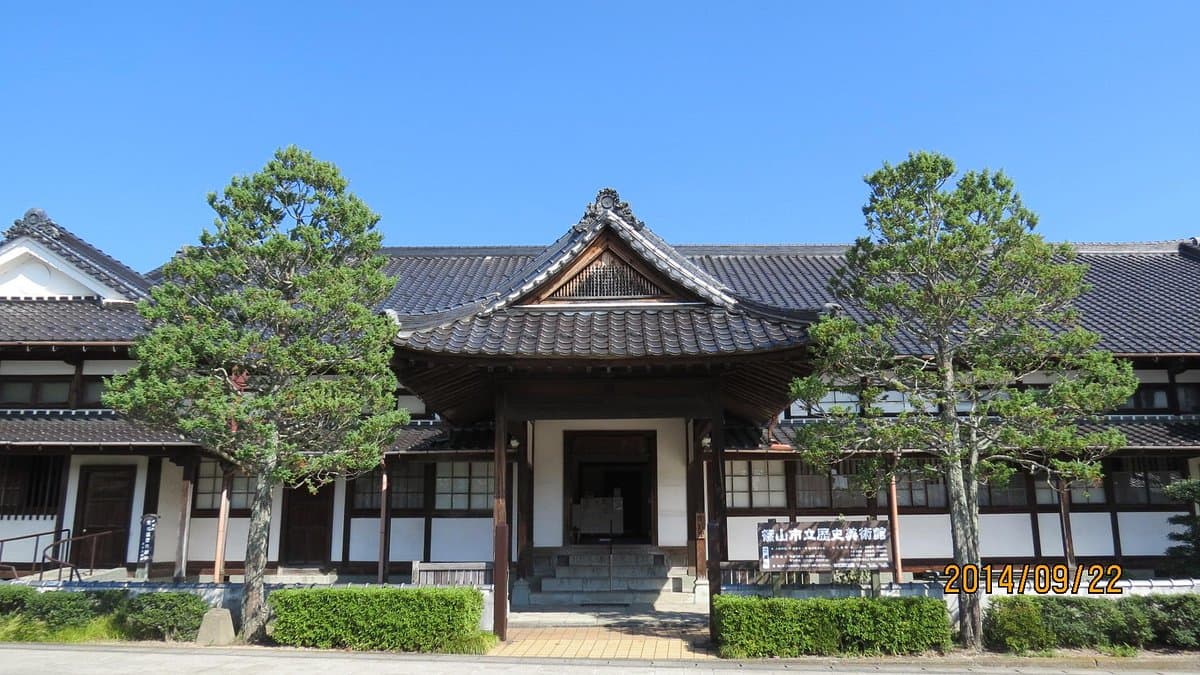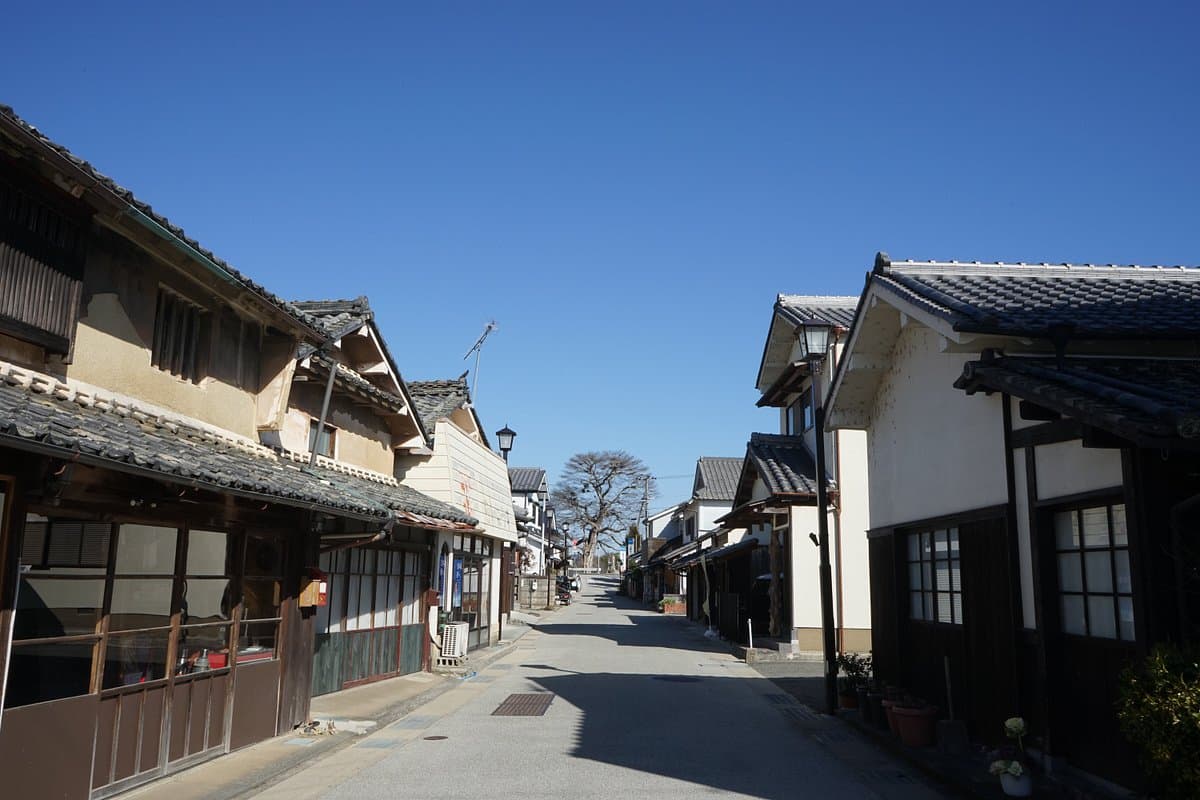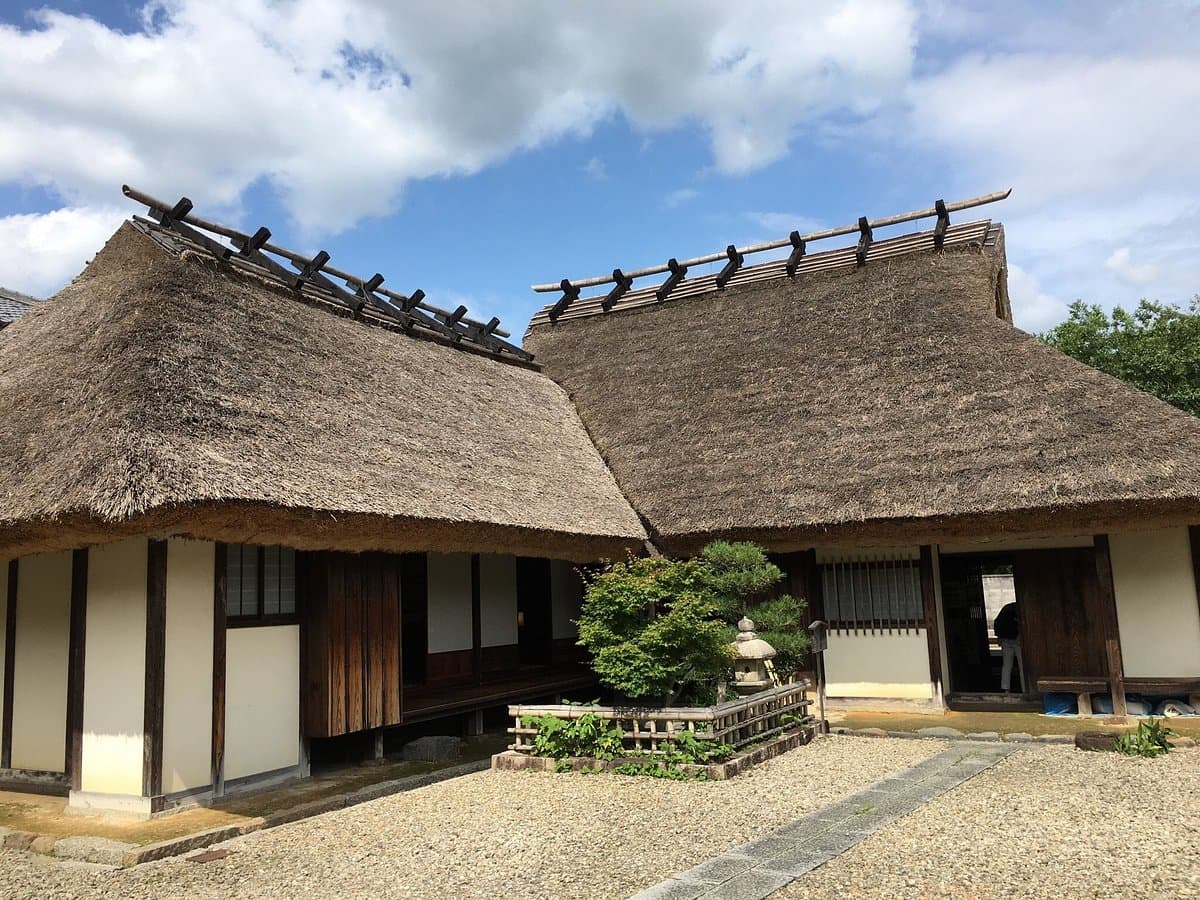
The Anma Family Museum is a historical residence that once belonged to a prominent family in Tanba Sasayama. It serves as a valuable cultural asset, showcasing traditional Japanese architecture and the lifestyle of a wealthy local family from past centuries. The museum offers visitors a chance to step back in time and understand the social and economic context of the region.
Visitors frequently praise the well-preserved nature of the house and its artifacts, noting the sense of authenticity it conveys. Reviewers appreciate the opportunity to see traditional Japanese rooms, gardens, and household items up close. Some visitors highlight the peaceful atmosphere, making it a good place for quiet contemplation. However, some reviews indicate that the museum's appeal might be limited to those with a keen interest in local history or traditional Japanese homes, as the exhibits are not extensive.
To make the most of your visit, allocate about 1 to 1.5 hours to explore the museum at a relaxed pace. It is advisable to visit during off-peak hours, typically in the morning on weekdays, to enjoy a more serene experience. There are no specific items to bring, but comfortable shoes are always recommended for exploring historical sites. Consider combining your visit with other attractions in Tanba Sasayama, such as Sasayama Castle, to create a fuller day trip.
The Anma Family Museum is located at 95 Nishishinmachi, Tanba Sasayama, Hyogo Prefecture. While specific public transport details are not widely available in reviews, Tanba Sasayama is generally accessible by train from major cities like Osaka or Kyoto, usually involving a transfer. From the nearest train station in Tanba Sasayama, local buses or a taxi would likely be required to reach the museum, or it could be a pleasant walk depending on the station's proximity. Driving is also an option, and parking availability should be checked locally.
A common complaint among some visitors is the relatively small size of the museum and the limited amount of English information available. To mitigate this, consider researching the Anma family and Tanba Sasayama's history beforehand to enrich your understanding. Bringing a translation app might also be helpful for any Japanese signage.