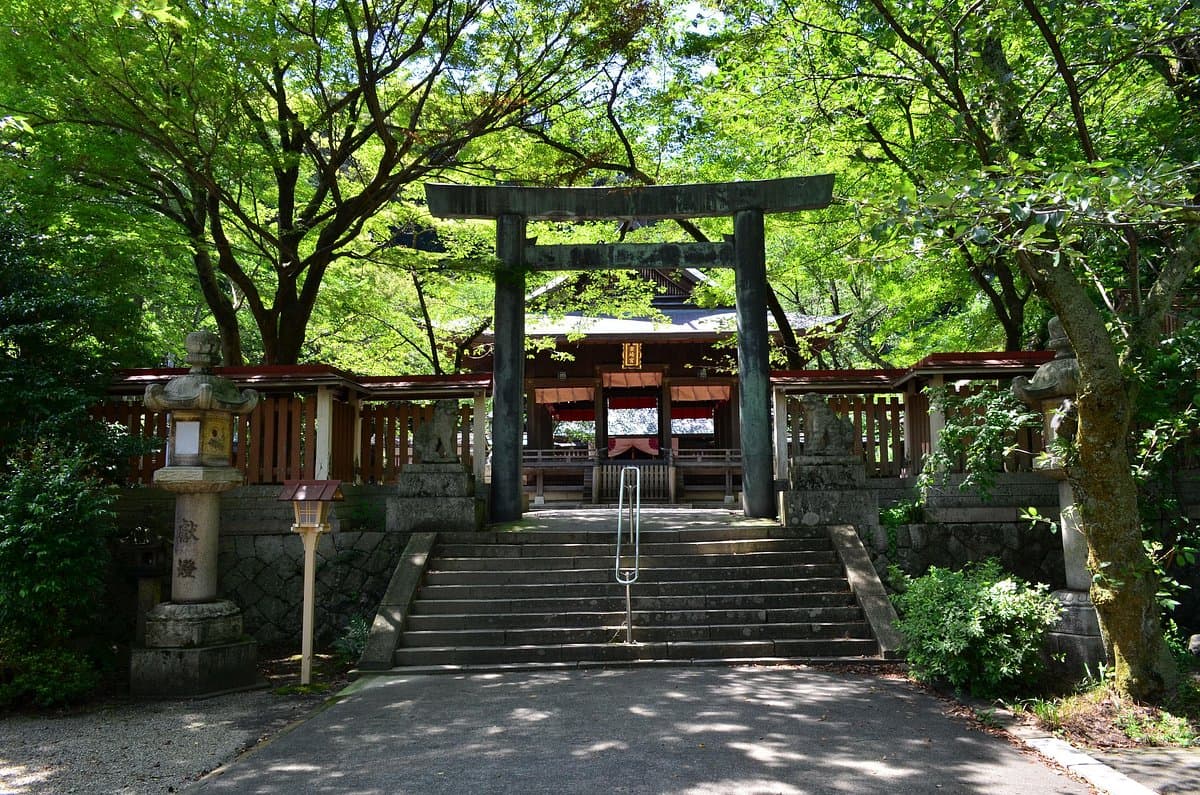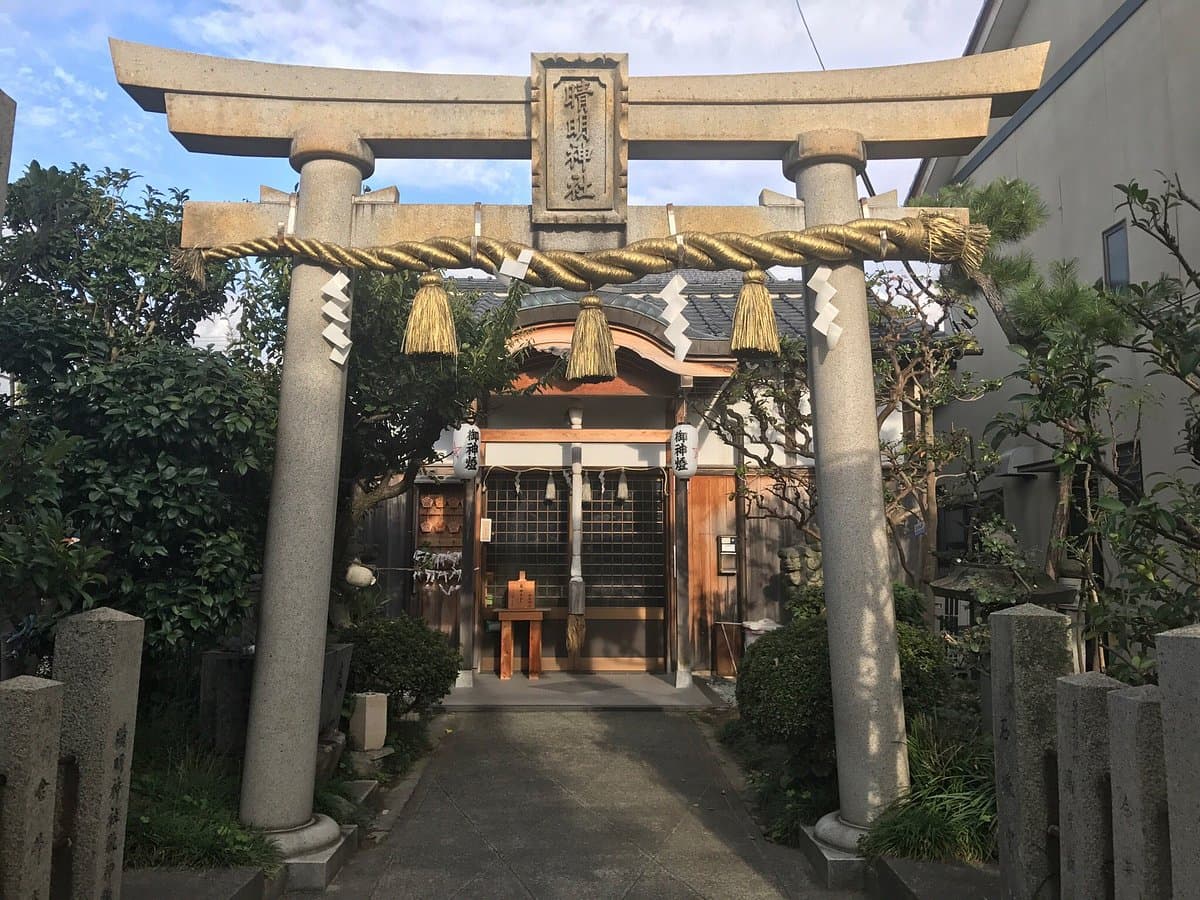
Seimei Shrine in Tsuruga is a historical site dedicated to Abeno Seimei, a renowned onmyōji (a practitioner of omnyōdō, a traditional Japanese cosmology) from the Heian period. Unlike the more famous Seimei Shrine in Kyoto, this location is noted for its connection to Seimei's early life and studies, with local lore suggesting he lived and studied astronomy here. It offers a unique perspective on the figure, away from the more commercialized aspects found elsewhere.
Visitors consistently describe the shrine as small but interesting, particularly for those who appreciate Japanese history and folklore. The presence of an explanation panel helps contextualize its significance, allowing visitors to understand its unique place in the narrative of Abeno Seimei. Reviewers highlight its quiet atmosphere, which provides a contemplative experience, contrasting with busier tourist spots.
Given its modest size, a visit to Seimei Shrine typically requires only a short amount of time, perhaps 30 minutes to an hour, to fully appreciate the site and read the informational displays. There are no specific items to bring, but comfortable shoes are always advisable for exploring Japanese shrines. The best time to visit would be during daylight hours to fully appreciate the shrine's details. As it is a less frequented spot, it generally remains uncrowded.
The shrine is located at 8 Aioicho, Tsuruga, Fukui Prefecture. While specific public transport details are not extensively mentioned in reviews, Tsuruga is accessible by train. From Tsuruga Station, local buses or a taxi would be the most convenient options to reach the Aioicho area. Walking from the station might be a considerable distance, so checking local bus routes or using a ride-sharing service is recommended for those without a car.
A common observation is the shrine's small scale, which might lead some visitors expecting a grander site to feel underwhelmed. To mitigate this, it is advisable to approach the visit with an understanding that it is a historical and cultural niche attraction rather than a major landmark. Its value lies in its specific historical connection rather than its physical grandeur.