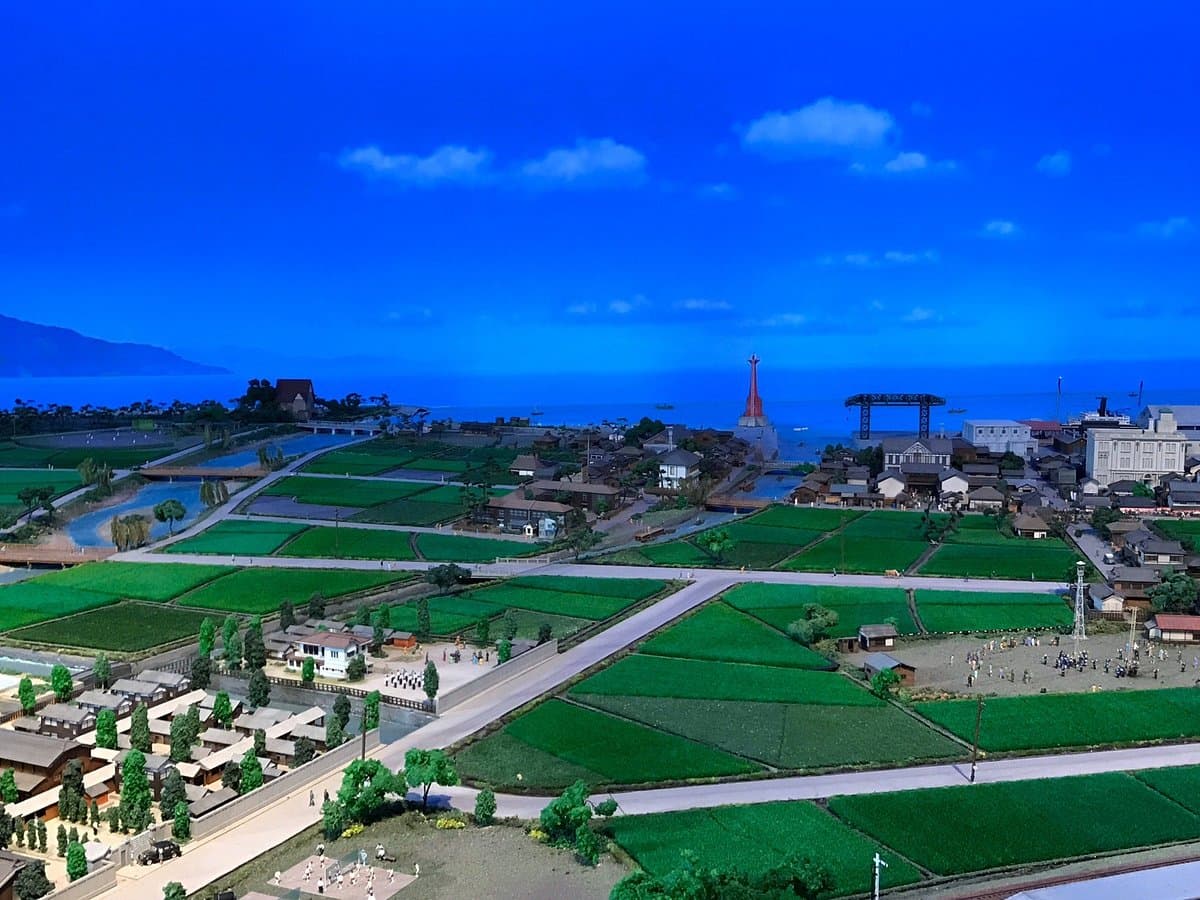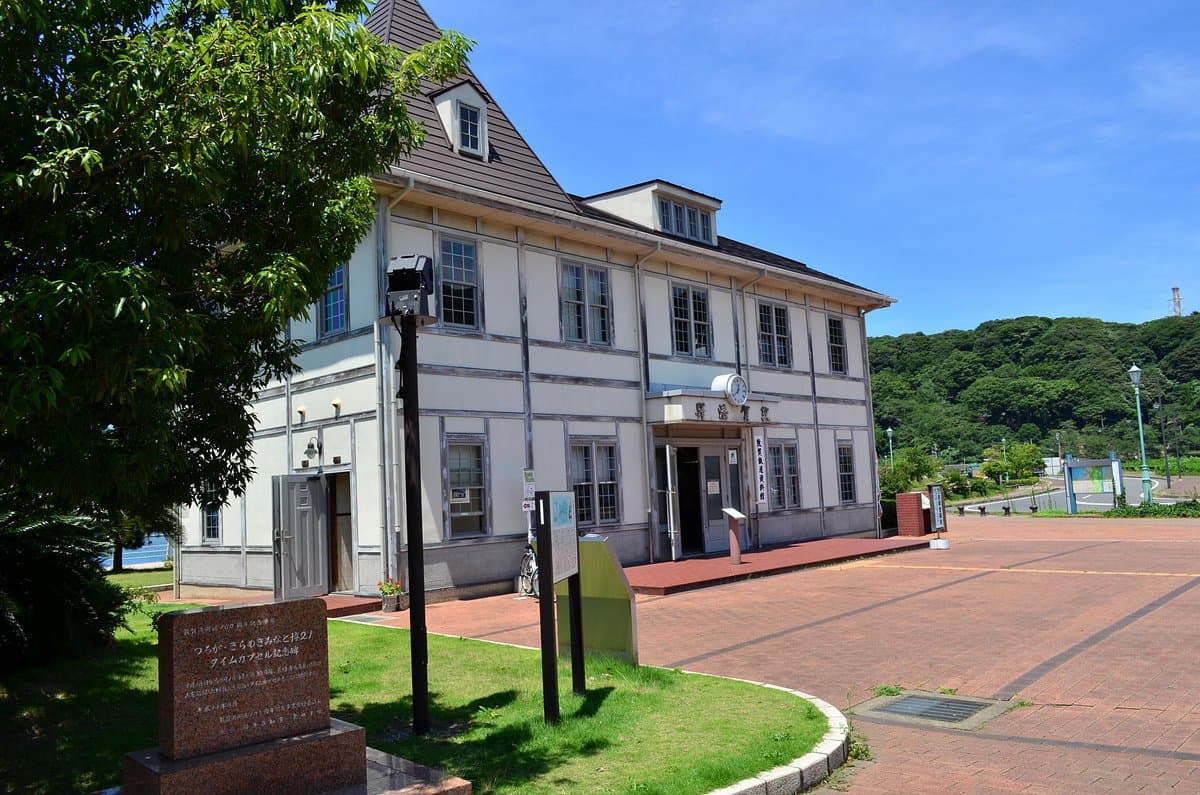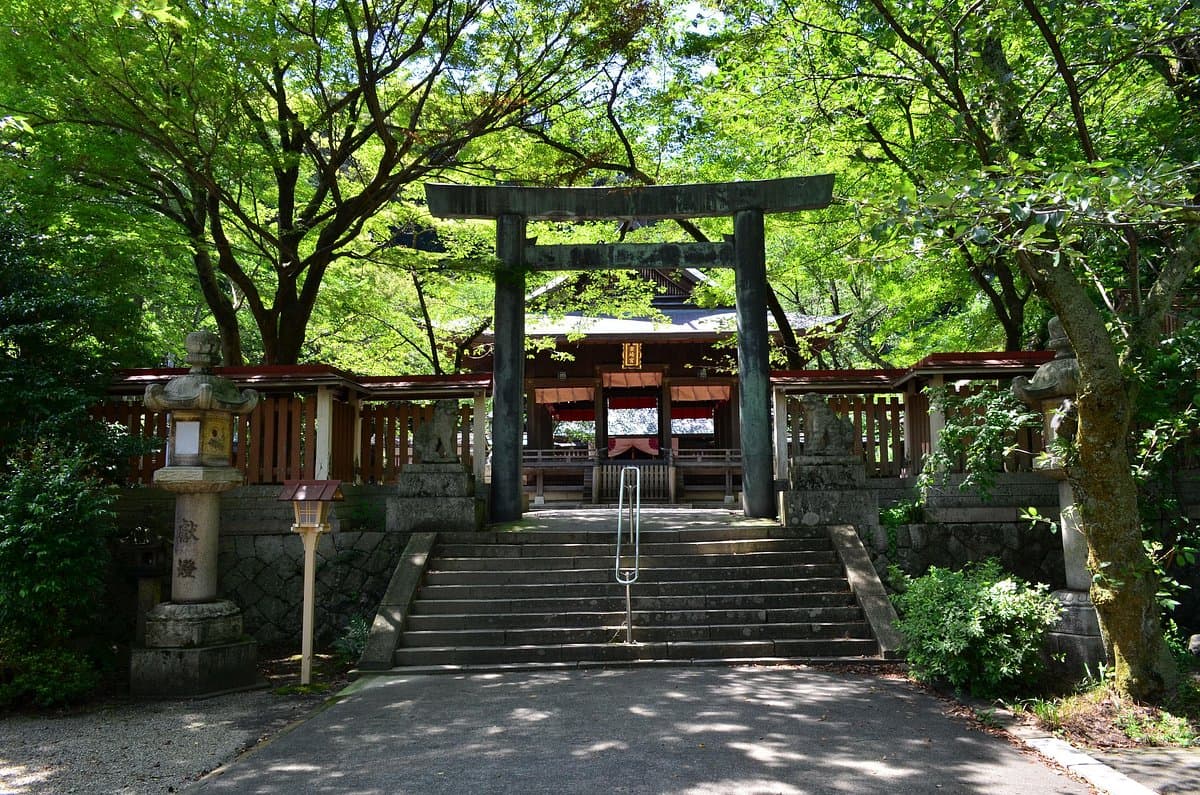
The Kanegasakijo Castle Site is a historically significant location in Tsuruga, Fukui Prefecture, primarily known for its role in pivotal battles during Japan's feudal era, including a notable defeat of Nobunaga's army. While the castle itself no longer stands, the site preserves the memory of these events and offers visitors a chance to connect with a rich past.
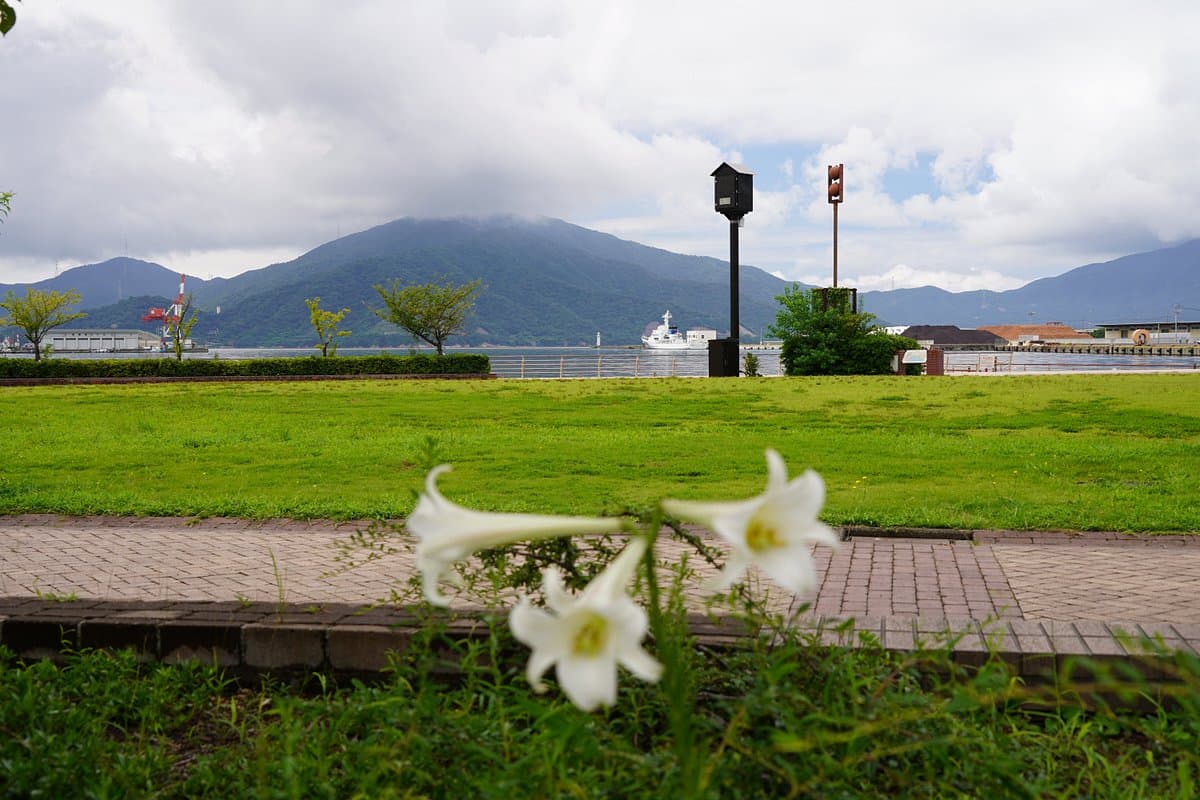
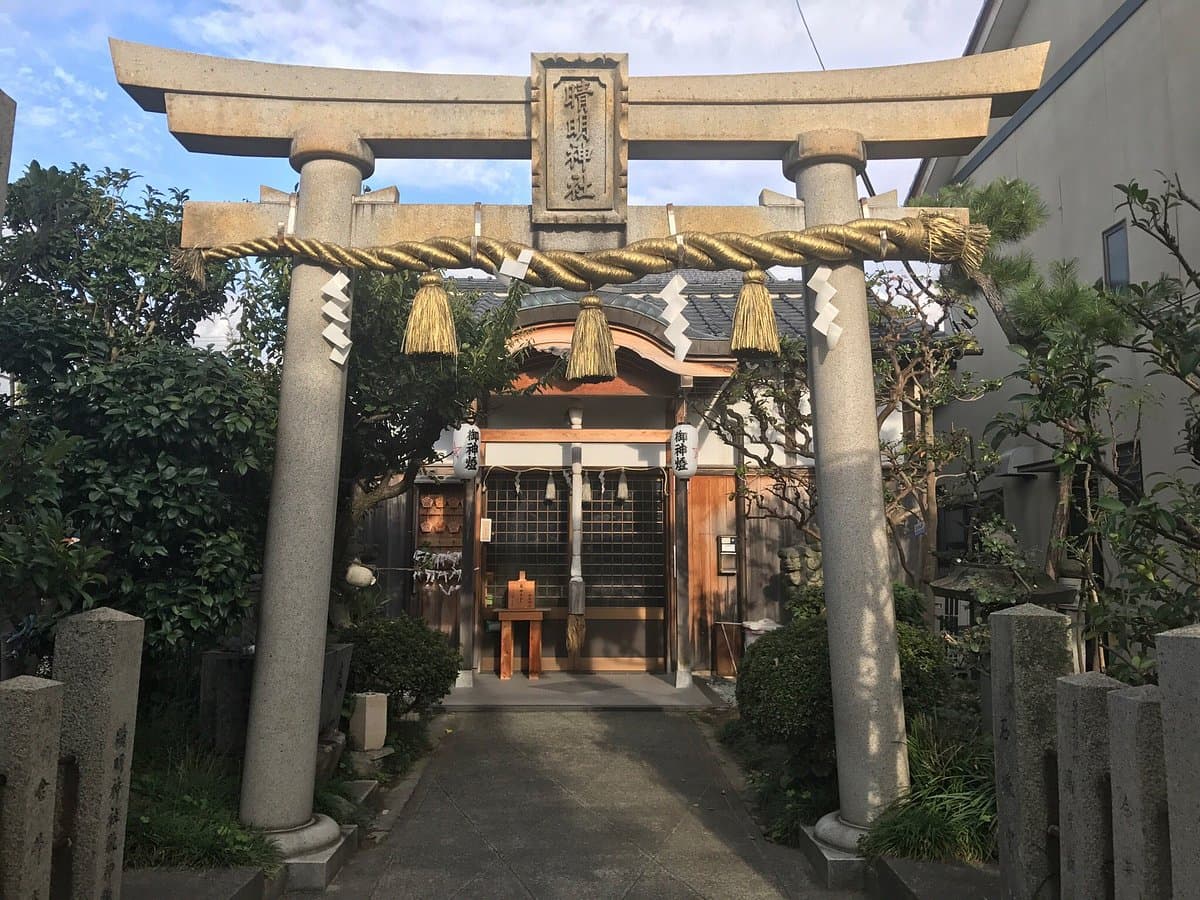
Visitors consistently highlight the scenic views available from the site, particularly from the Tsukimi Goten area, which provides a wonderful panorama of Tsuruga Bay. The path leading up to the site, often starting from Kanegasaki Shrine, is described as an enjoyable walk. Reviewers appreciate the historical context, noting that the entire mountain was once the castle grounds, making it an interesting exploration for those with an interest in Japanese history and military strategy.
For a visit, it is recommended to allocate approximately 1-2 hours to explore the site and enjoy the views. Comfortable walking shoes are advisable due to the paths and elevation. The best time to visit would likely be during pleasant weather to fully appreciate the bay views. There are no specific warnings about what to skip, as the main attraction is the site itself and its historical significance.
The site is located in Kanegasakicho, Tsuruga. While specific public transport details are not extensively mentioned in reviews, visitors often refer to following a path from Kanegasaki Shrine, suggesting that reaching the shrine first might be a common approach. It is advisable to check local bus routes or taxi services from Tsuruga Station to Kanegasaki Shrine for the most convenient access.
Common complaints are not explicitly detailed in the available reviews, but as with many castle ruins, visitors should manage expectations regarding the physical remnants of the castle. The site is more about the historical context and the views than intact structures. Those expecting a fully reconstructed castle might be disappointed, but history enthusiasts will find value in the preserved grounds and interpretive information.