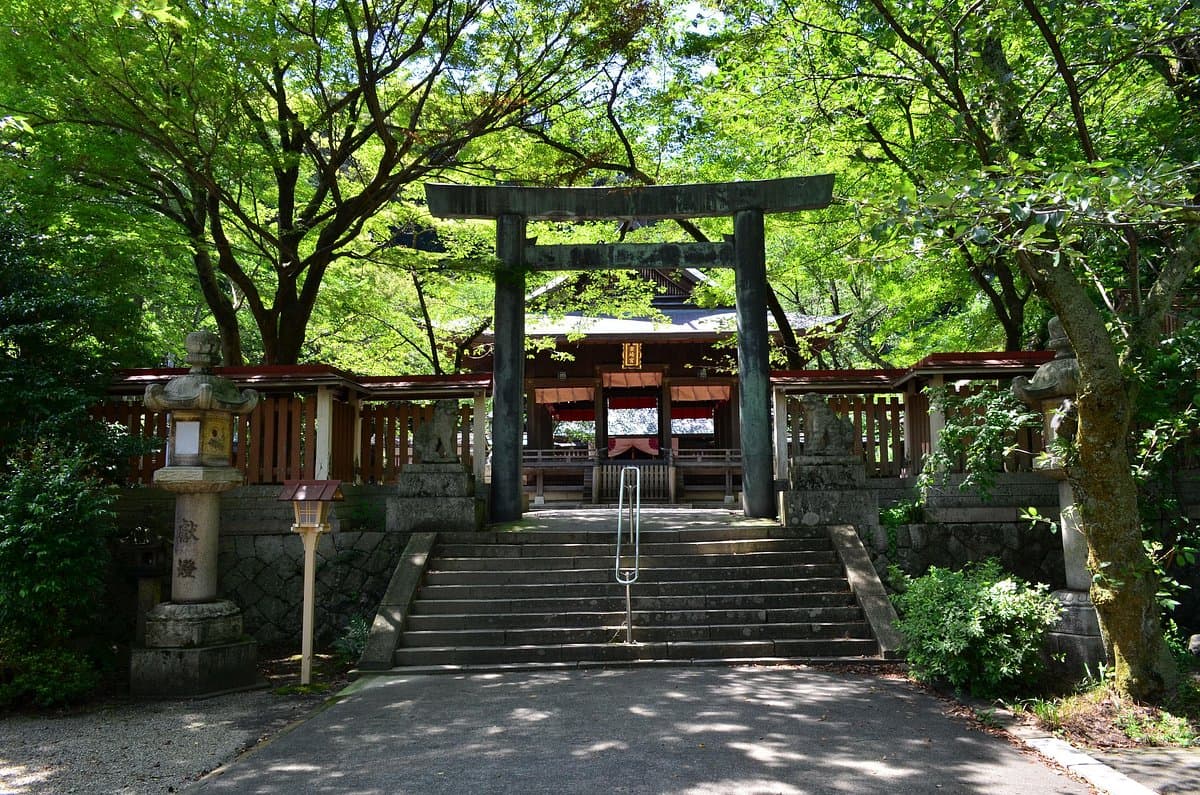
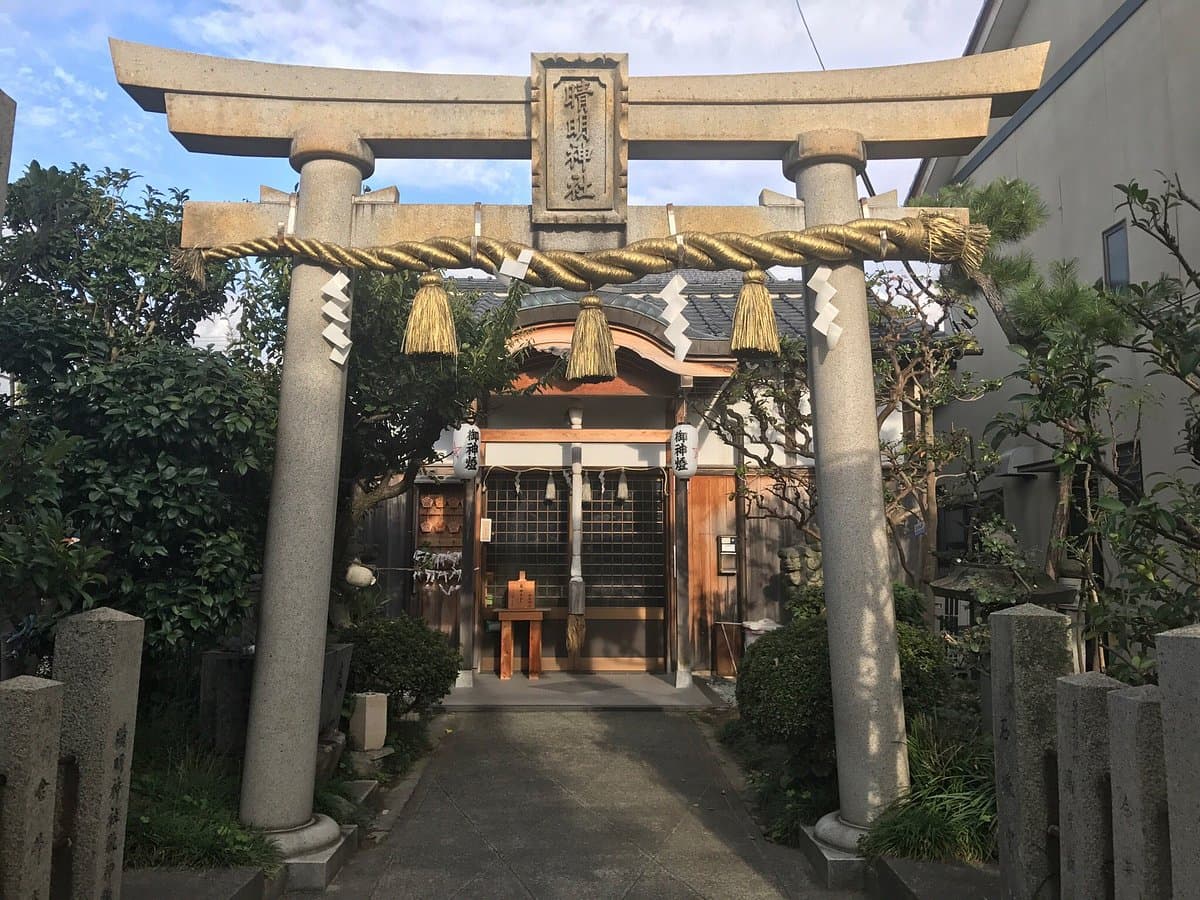
Kanegasakigu Shrine holds historical significance, having been built after the Meiji Restoration and dedicated to imperial figures from the Southern Court. It is situated on Mt. Kanegasaki, a location notable for its role in Nobunaga's withdrawal war. While its historical context is interesting, the shrine's primary draw for many visitors is its natural beauty, especially during the cherry blossom season.
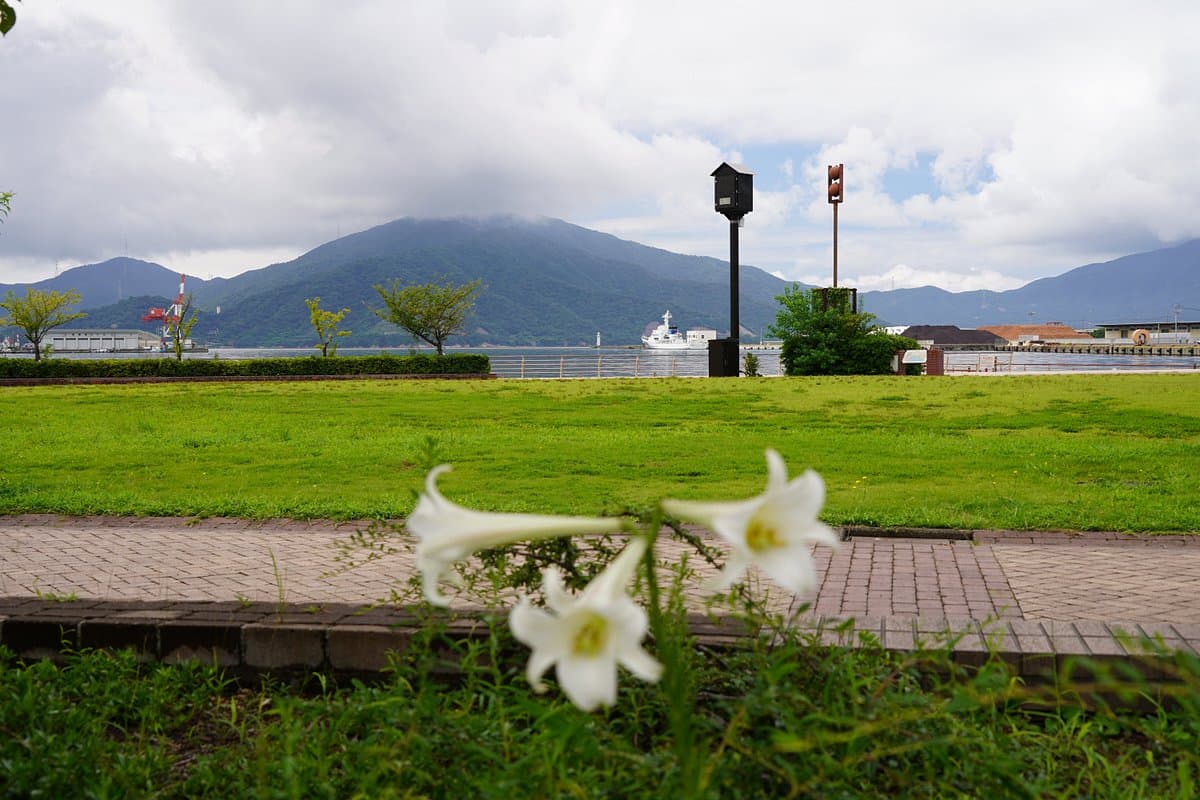
Visitors consistently praise the shrine for its quiet atmosphere and the very good views it offers over Tsuruga Bay. It is widely considered a gorgeous place to see sakura, making it a popular spot during spring. The unique Flower Exchange Festival, held around late March to early April, is another highlight that many find delightful, characterized by the welcoming and friendly local people. Some visitors also note a local belief that girls come here to pray for their loves, adding a romantic charm to the site.
To make the most of a visit, aim for late March or early April to coincide with the cherry blossom season and the Flower Exchange Festival. Be aware that the timing of the blossoms can vary year to year, so checking local bloom forecasts is advisable. A visit of 1-2 hours is usually sufficient to explore the shrine and enjoy the views. While the city of Tsuruga itself might appear industrial, the shrine offers a peaceful escape. Bring a camera to capture the scenic views and cherry blossoms.
The shrine is located at 1-4 Kanegasaki, Tsuruga, Fukui Prefecture. Specific public transport details are not consistently mentioned in reviews, but being on Mt. Kanegasaki suggests a walk or short local transport might be required from the city center or Tsuruga Station. Visitors arriving by cruise ship have found it accessible, implying local transport options are available from the port.
The main complaint or potential disappointment for visitors is arriving outside of the cherry blossom season, as the shrine's visual appeal is significantly diminished without the flowers. To mitigate this, plan your trip carefully around the bloom schedule. If visiting off-season, focus on the historical aspects and the bay views, which remain constant.