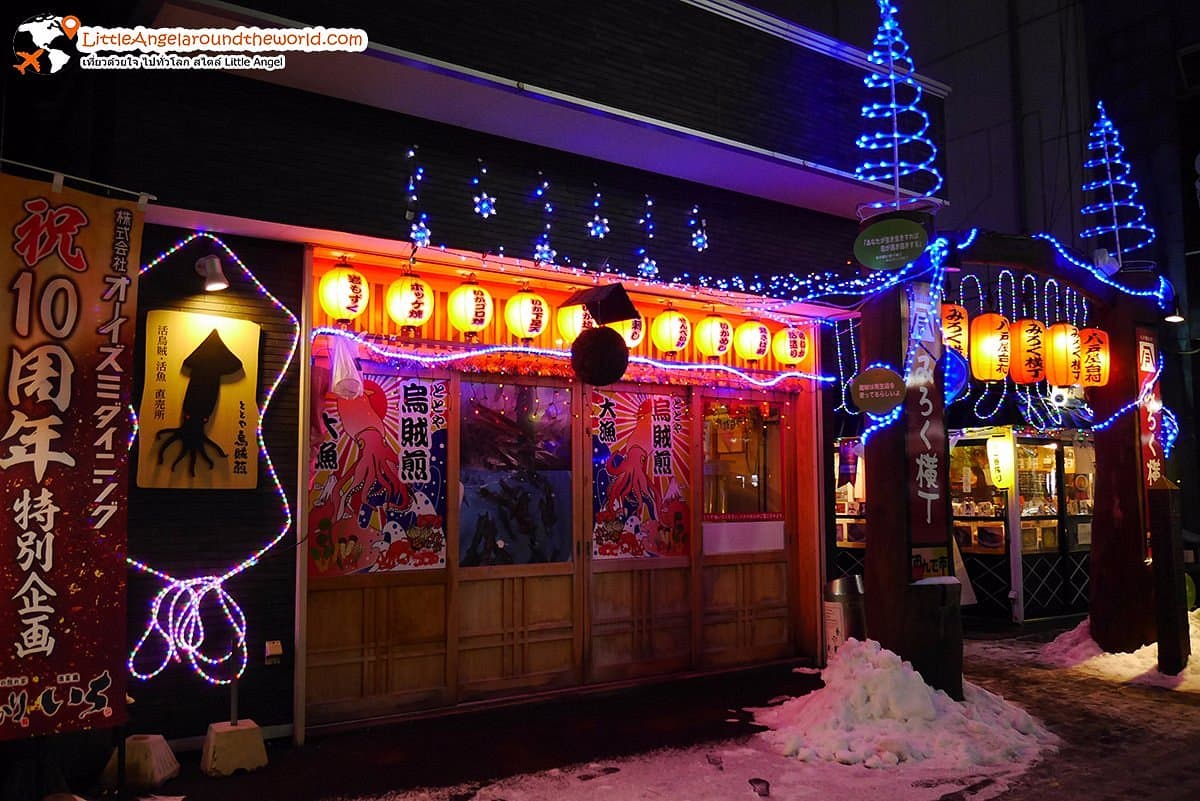
Hachinohe Yatai Village Mirokuyokocho is a modern interpretation of a traditional Japanese yokocho (alleyway), specifically designed to evoke the nostalgic charm of post-war Japan. It serves as a culinary and social hub in Hachinohe, offering a concentrated experience of local food, drink, and interaction in a compact setting. Unlike older, organically grown yokocho, Mirokuyokocho was established with the opening of the Tohoku Shinkansen, making it a newer, yet equally authentic, destination for experiencing Hachinohe's nightlife.
Visitors consistently praise the village for its lively and friendly atmosphere, especially in the evenings when it truly comes alive. Many reviewers highlight the opportunity to engage with locals and experience genuine Japanese hospitality. The variety of small shops, each with its unique offerings, from ramen and sushi to charcoal-grilled dishes and local sake, is a major draw. Reviewers particularly enjoyed the Hachinohe ramen and senbei soup, noting the cozy and intimate settings of the individual establishments. Some shops even offer terrace seating, which is a pleasant surprise for a yokocho.
To make the most of your visit, plan to arrive in the early evening, as this is when the village becomes most vibrant. It's recommended to spend at least 2-3 hours here, allowing time to hop between a few different stalls and soak in the atmosphere. Don't be afraid to try different places; many visitors enjoy sampling small dishes and drinks from various vendors. While some shops are very small, the overall layout allows for comfortable movement. Be open to spontaneous conversations with fellow patrons and shop owners, as this is a key part of the yokocho experience.
Mirokuyokocho is centrally located in the downtown area of Hon-Hachinohe, where many entertainment facilities and department stores are situated. It is easily accessible on foot from the surrounding commercial district. While specific public transport lines are not detailed in reviews, its central location suggests it's well-connected by local bus routes or a short taxi ride from Hachinohe Station. Parking information is not frequently mentioned, indicating that public transport or walking is the preferred method of access for most visitors.
A few reviewers mention that some stalls might be less welcoming to travelers or have unclear pricing. To mitigate this, it's advisable to observe which places are popular with locals and perhaps start with a well-reviewed spot. Don't hesitate to ask about prices before ordering if you are unsure. While the overall sentiment is positive, being mindful of your choices can enhance your experience.