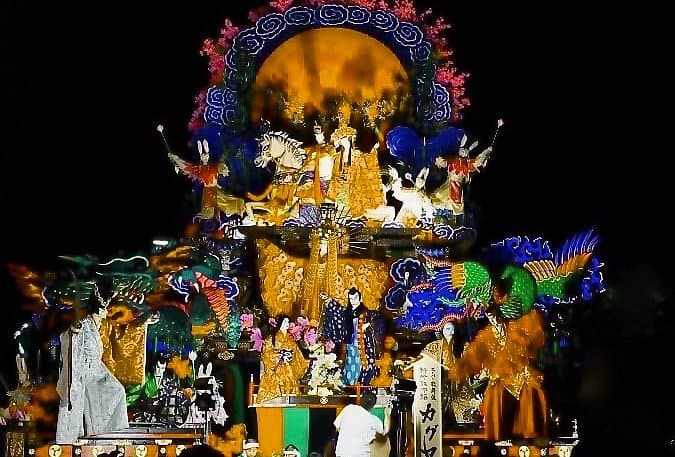
The Hachinohe Sansha Taisai is one of Japan's most significant traditional festivals, designated as a UNESCO Intangible Cultural Heritage. Held annually in early August, it showcases the rich cultural heritage of Hachinohe through a spectacular parade of large, intricately designed floats. These floats, often depicting historical or mythical scenes, are handcrafted by local communities, making each one a unique work of art.
Visitors frequently express surprise at the festival's grandeur, often noting that it rivals or even surpasses more famous festivals like the Aomori Nebuta Matsuri in terms of float detail and overall atmosphere. Reviewers consistently highlight the sheer number and size of the floats, their magnificent decorations, and the vibrant energy created by traditional music and chants. The festival is also praised for its delicious street food stalls, which offer a clean and safe culinary experience. Many appreciate that, despite its scale, the Hachinohe Sansha Taisai feels less crowded than other major festivals, making it easier to enjoy the spectacle.
To make the most of your visit, plan to attend the main parade days, typically from August 1st to 3rd. Arriving early will help secure a good viewing spot, especially along the main parade routes. Consider downloading the dedicated festival app, which provides explanations of the floats in multiple languages, including English. While hotels might be easier to book compared to other festival cities due to its slightly lesser-known status, it's still advisable to book accommodation well in advance. Spending a few hours to fully appreciate the parade and explore the food stalls is recommended.
The festival takes place in the central areas of Hachinohe City, with parades typically starting and ending near the city hall and major shrines. Hachinohe is well-connected by public transport. The nearest major train station is Hachinohe Station, which is a Shinkansen (bullet train) stop. From Hachinohe Station, local buses or taxis can take you to the city center where the festival activities are concentrated. The main parade routes are generally walkable from central Hachinohe hotels. Parking can be challenging during the festival, so using public transport is highly recommended.
A common sentiment among visitors is that this festival is "underrated" or "unknown" compared to others. While this contributes to a less crowded experience, it also means fewer international tourists. However, the festival is well-organized, and the presence of multilingual information via the app helps bridge any language barriers. Some visitors mention feeling tired from the crowds, even if they are smaller than other festivals, so comfortable shoes are a must.