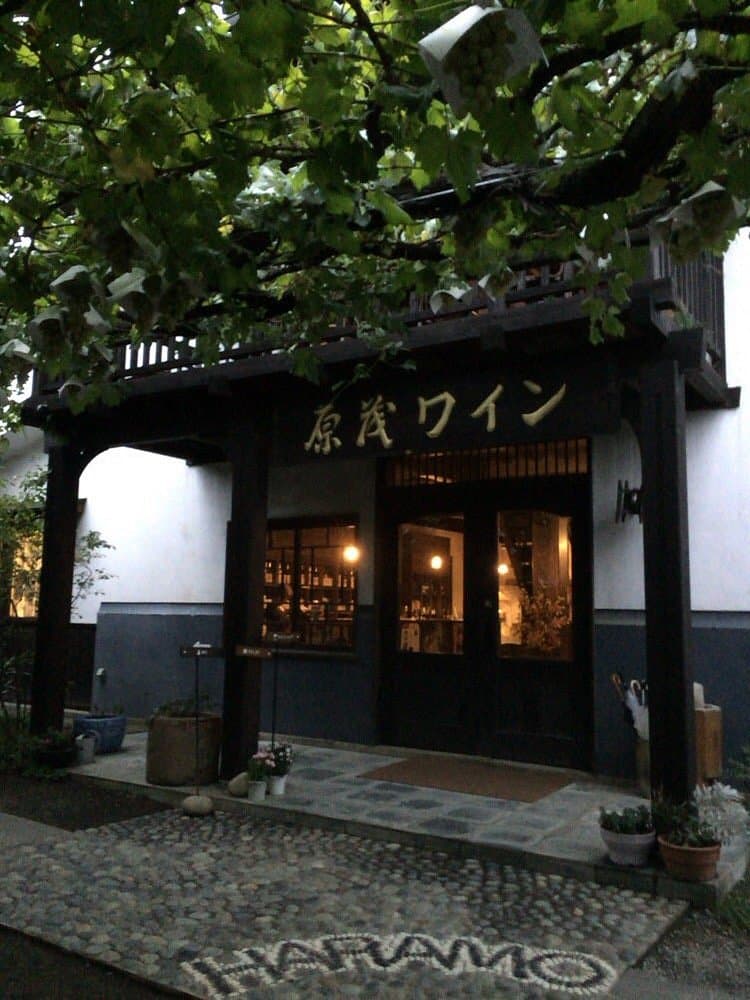
Haramo Winery is a small, family-run winery located in the Katsunuma region of Yamanashi Prefecture, known as one of Japan's premier wine-producing areas. It stands out for its commitment to traditional Japanese winemaking techniques combined with a focus on local ingredients, offering a unique cultural and culinary experience.
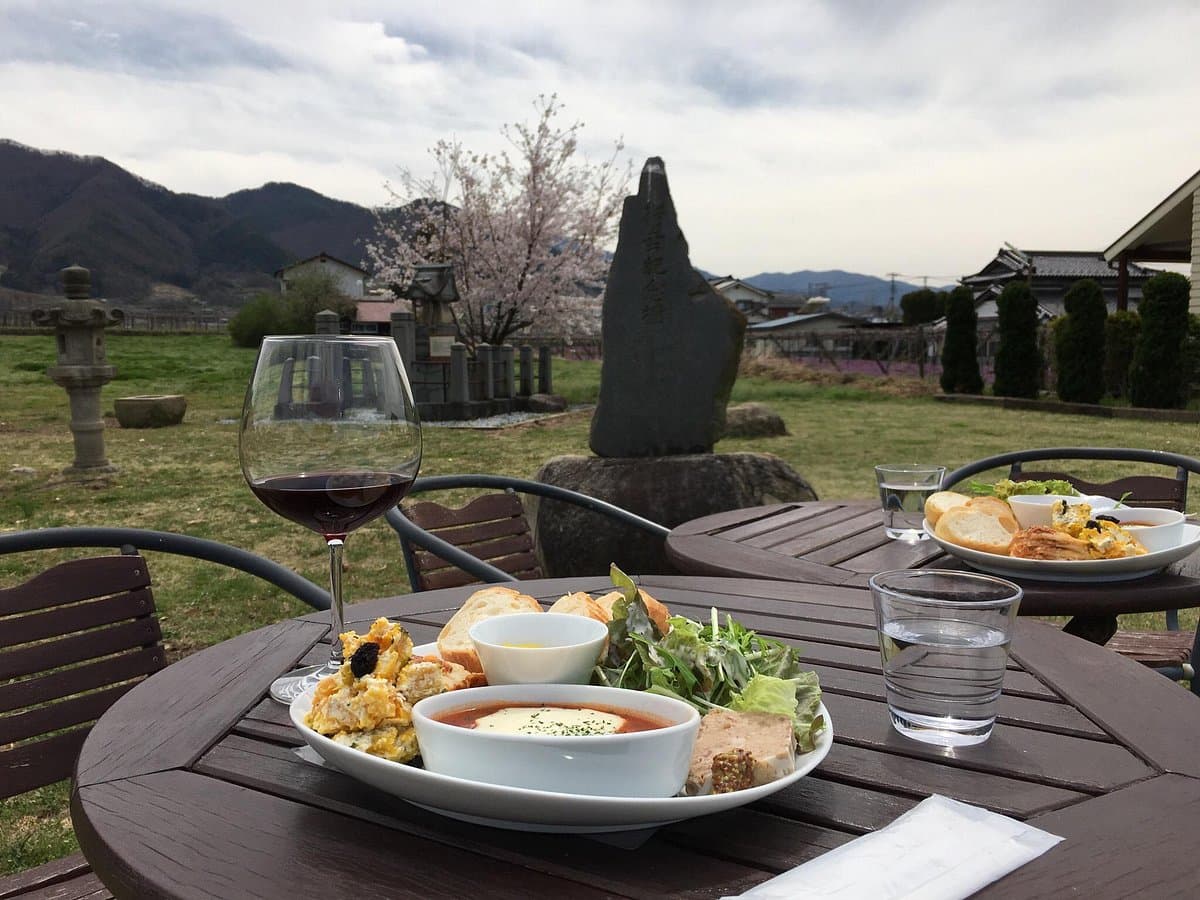
Visitors consistently praise the winery for its charming setting, housed in a building that showcases classic Japanese architecture. The wine selection is generally well-regarded, with several reviewers specifically recommending the rosé. Beyond the wine itself, the culinary offerings, which often feature creative dishes made from local vegetables, fruits, and meats, receive positive mentions, enhancing the overall tasting experience.
To make the most of a visit, it's advisable to allocate about 1-2 hours for a tasting and to explore the premises. Since it's a winery, consider visiting during the late morning or early afternoon to enjoy the tastings without feeling rushed. Bringing a designated driver or planning for public transport is crucial if you intend to sample the wines. Given its focus on local produce, visiting during harvest seasons (late summer to autumn) might offer additional insights into the winemaking process and fresher local ingredients.
Haramo Winery is located at 3181 Katsunumacho katsunuma, Koshu, Yamanashi Prefecture. While specific public transport details are not extensively mentioned in reviews, the Katsunuma region is generally accessible by train to Katsunumabudokyo Station. From there, local taxis or buses would likely be required to reach the winery, as it may not be within easy walking distance. Driving is a common way to explore the Yamanashi wine region, but visitors should plan for a designated driver if participating in wine tastings.
A common complaint, though not explicitly stated in the limited reviews, for smaller wineries can be limited English support or less extensive facilities compared to larger establishments. Visitors should manage expectations regarding the scale of the operation and be prepared for a more intimate, perhaps less overtly tourist-oriented, experience.