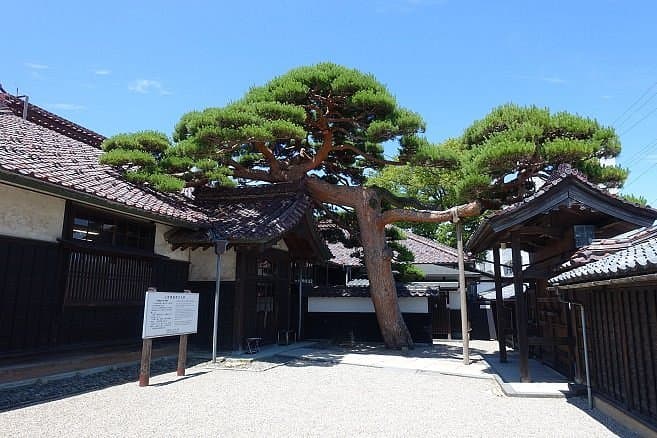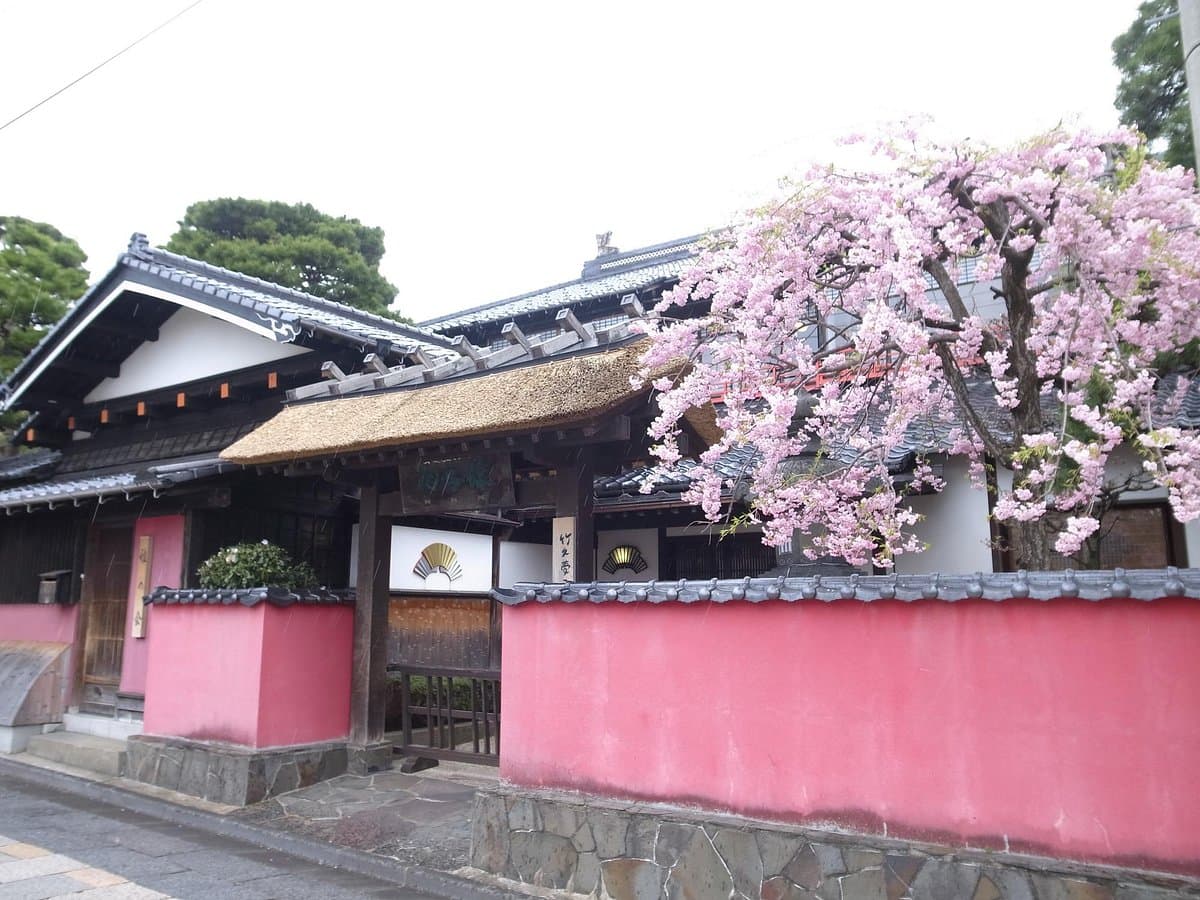
The Sankyo Soko Storehouses are a collection of historic rice warehouses built in 1893, located along the Mogami River in Sakata. These iconic structures played a crucial role in Japan's rice trade, serving as a storage and shipping hub for rice from the fertile Shonai Plain. They are a testament to the region's prosperity and ingenuity in preserving grain, featuring unique architectural elements like double roofs and tree-lined back alleys designed for natural cooling.
Visitors consistently praise the photogenic quality of the warehouses, especially the row of zelkova trees behind them, which create a distinctive and beautiful atmosphere, particularly during autumn. Many appreciate the historical significance and the opportunity to learn about traditional rice cultivation and storage methods. The presence of a souvenir shop, "Sakata Yume no Kura," offering local products, and a small rice museum (Shonai Rice History Museum) are frequently highlighted as positive aspects, providing both educational and shopping opportunities. Reviewers note that while some warehouses are still actively used for rice storage, others have been repurposed into shops and exhibition spaces, blending history with modern utility.
To make the most of a visit, plan to spend about 1 to 2 hours exploring the site. The best time to visit is during the autumn color season, as the zelkova trees enhance the scenic beauty. While the museum offers some English explanations, much of the information is in Japanese, so consider using a translation app or a guide if you wish to delve deeper into the exhibits. Many visitors recommend combining a visit here with a trip to the nearby seafood market for a complete local experience. Don't miss the opportunity to sample local produce and sake available at the souvenir shop.
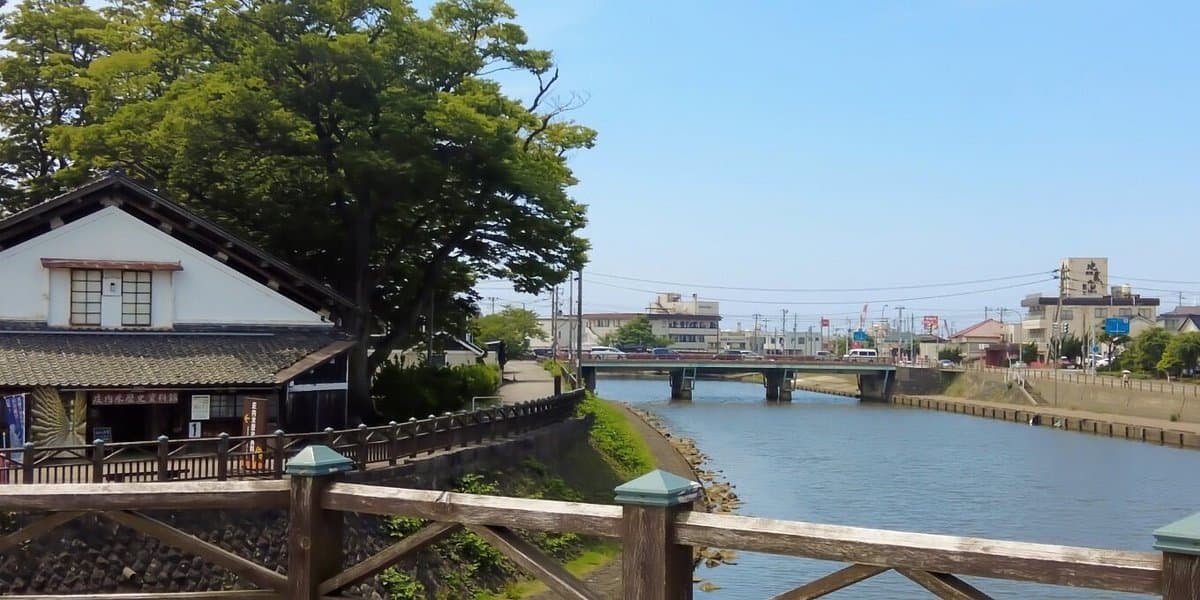
The Sankyo Soko Storehouses are located about a mile (1.6 km) from Sakata Station. Many visitors arrive by shuttle from cruise ships or by car, as parking is available. For those using public transport, it's a walkable distance from the station, or a short taxi ride. The wooden Sankyo Bridge is often mentioned as a recommended approach, offering a scenic walk to the warehouses.
Some visitors find the grounds themselves to be somewhat underwhelming if not combined with an interest in history or photography, describing them as mostly old wooden buildings. To mitigate this, engage with the museum exhibits, appreciate the architectural details, and take time to explore the souvenir shops. While the museum is small, it provides valuable context. Be aware that restaurant opening hours can be short, so check in advance if you plan to dine on-site.