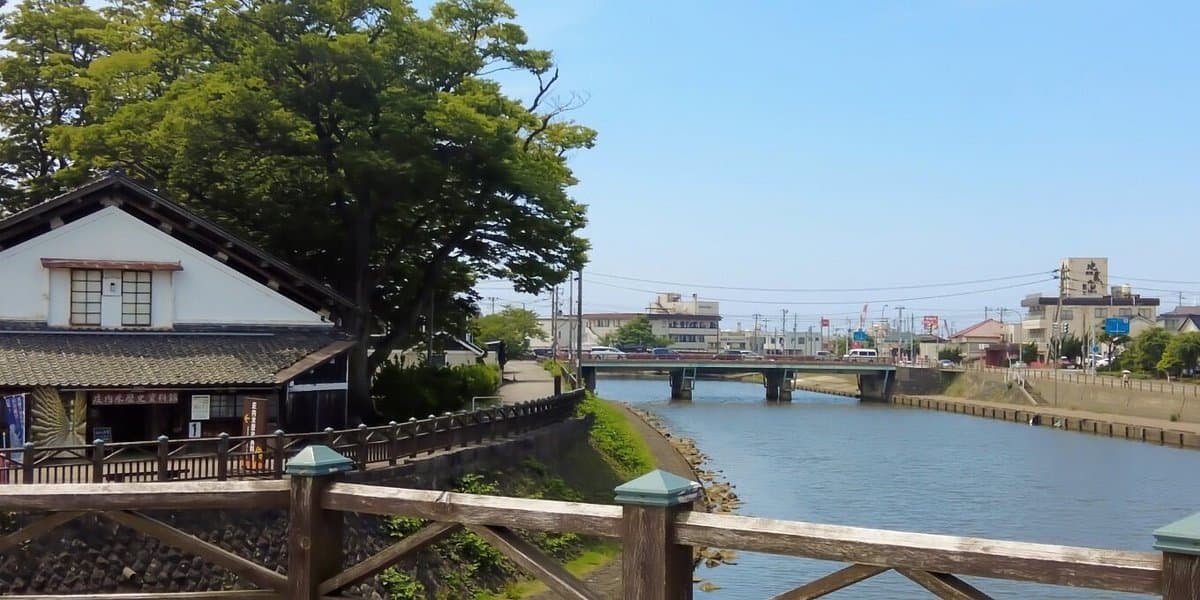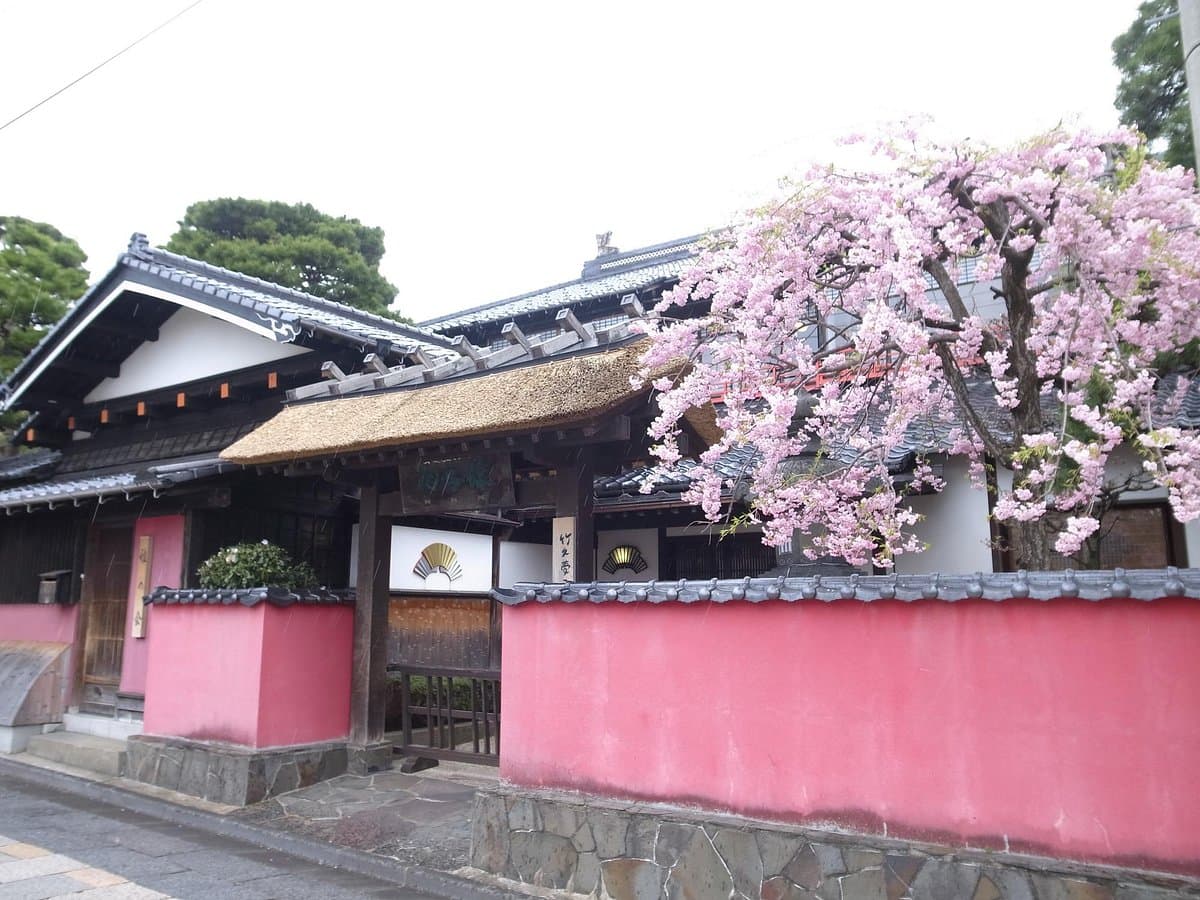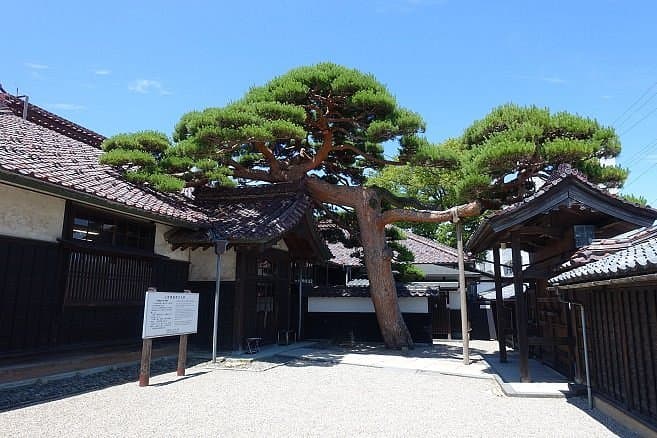
The Former Honma Family Residence, built in 1768, stands as a significant historical site in Sakata, offering a unique window into the social dynamics and architectural styles of Edo-period Japan. Originally constructed by Mitsuoka, the third lord of the Honma family, as lodging for shogunate envoys, it reflects the family's immense wealth and their careful navigation of social hierarchies, with distinct sections for visiting samurai and the merchant family themselves.
Visitors consistently praise the residence for its excellent preservation and spacious layout. Many appreciate the elegant and functional Japanese architecture, particularly the use of verandas and the simple yet refined decor. Reviewers often highlight the interesting design, which subtly differentiated between the sections for high-ranking officials and the family, showcasing the Honma's taste and resources without overtly outshining their social superiors.
To fully appreciate the residence, visitors should plan to spend about 1 to 2 hours exploring the various rooms and understanding the historical context. It's advisable to wear comfortable shoes as you'll be walking through the large house. There are no specific warnings about crowds, suggesting it can be enjoyed at a leisurely pace throughout the day. The entrance fee is paid upon arrival.
The residence is located at 12-13 Nibancho, Sakata. While specific public transport details are not frequently mentioned in reviews, Sakata is a relatively small city, and the residence is likely accessible by local bus or a short taxi ride from Sakata Station. Walking from the city center is also a viable option for those who enjoy exploring on foot.
Common complaints are not widely noted, indicating a generally positive visitor experience. However, some visitors might find the historical context more engaging with the aid of a guide or detailed information panels, which might not always be readily available in English. It's recommended to do a little background reading before your visit to enhance your understanding.