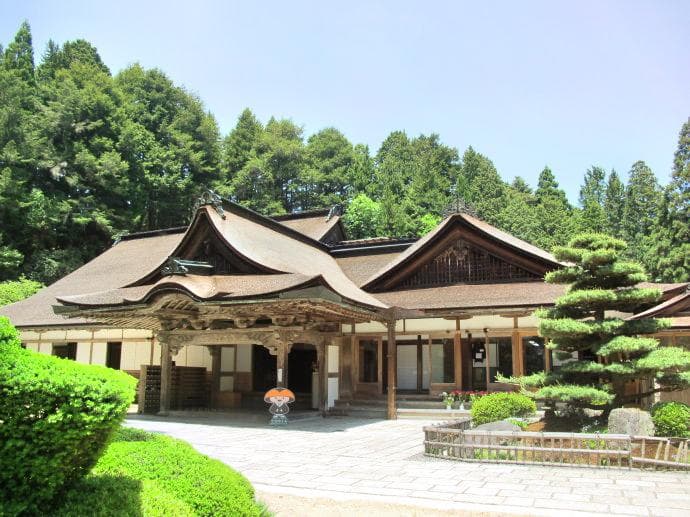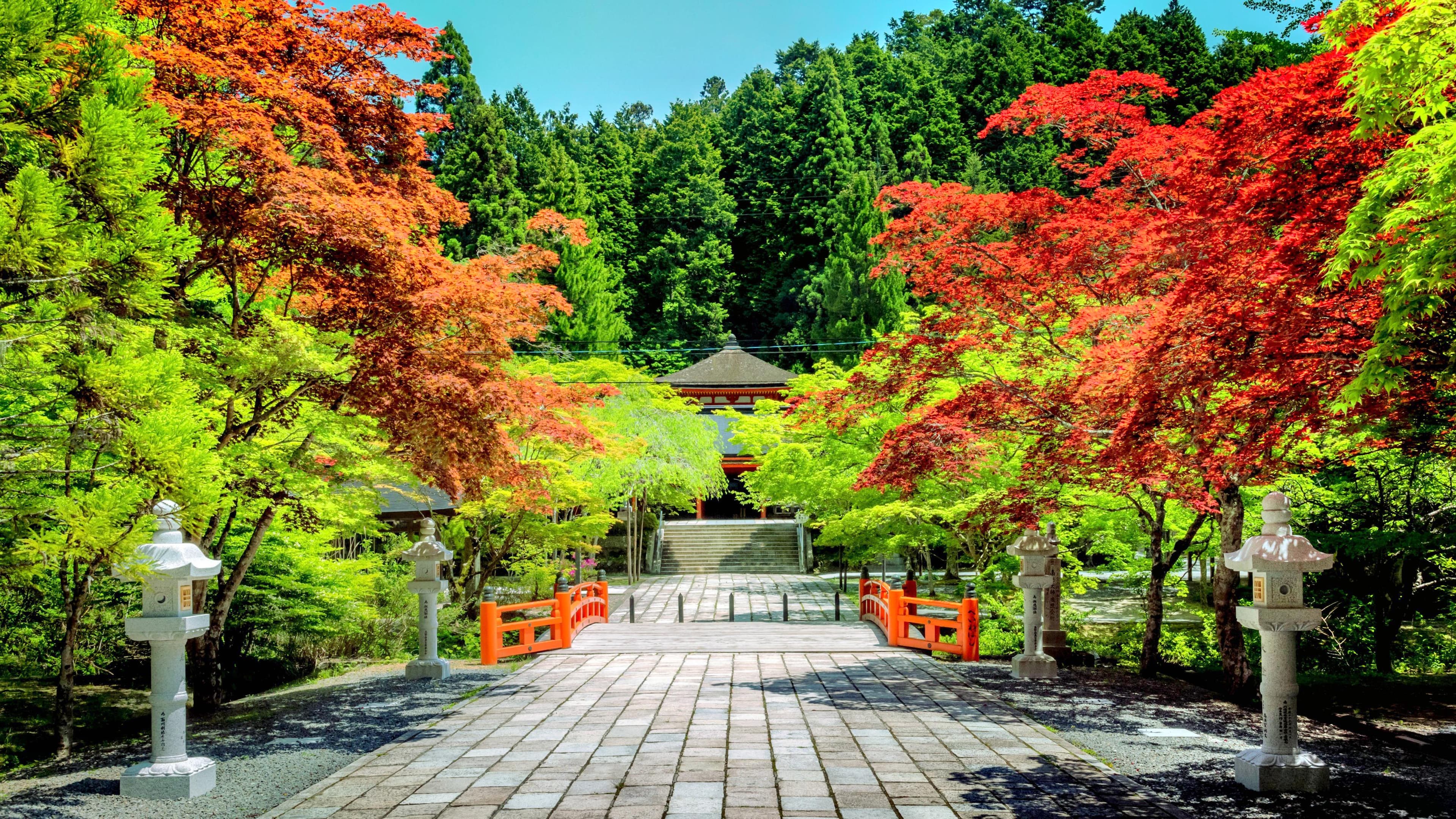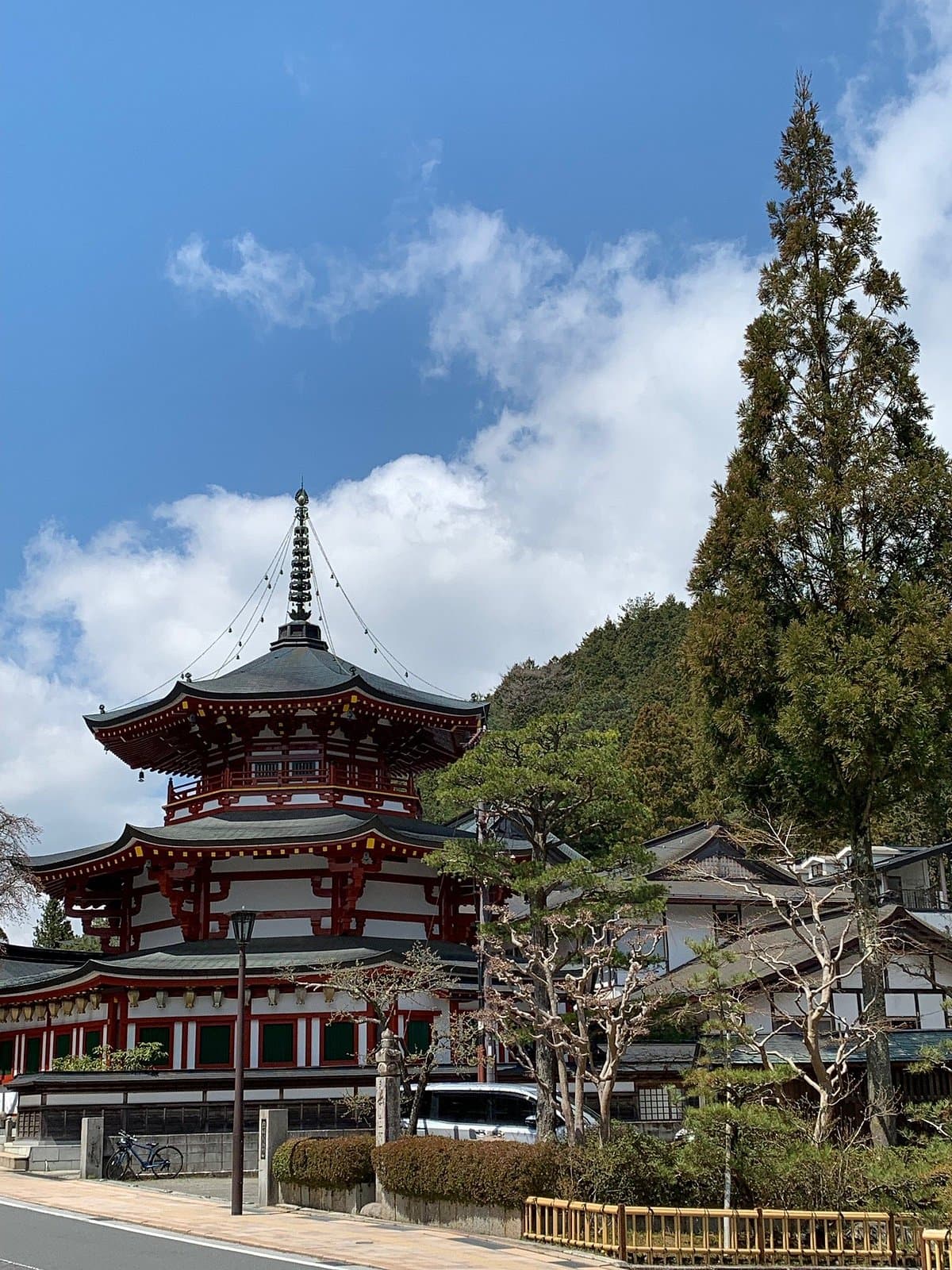
Mt. Koya (Koyasan) is a sacred mountain settlement founded over 1200 years ago by Kobo Daishi (Kukai), the founder of Shingon Buddhism. It serves as the spiritual heart of this esoteric Buddhist sect and is home to over 100 temples, including the head temple Kongobu-ji, the Danjo Garan complex, and the vast, atmospheric Okunoin Cemetery. Its significance as a pilgrimage site and a repository of ancient Japanese culture makes it a UNESCO World Heritage site.
Visitors consistently praise the profound sense of peace and tranquility found here, a stark contrast to Japan's bustling cities. The Okunoin Cemetery, with its ancient cedar trees and moss-covered gravestones, is frequently highlighted as the most impressive and spiritual part of the visit, especially during an evening stroll. Many reviewers emphasize the unique and highly recommended experience of staying overnight in a shukubo (temple lodging), which often includes traditional vegetarian (shojin ryori) meals and participation in morning prayers. This immersive experience is often cited as a highlight of their entire trip to Japan.
To make the most of your visit, consider spending at least one night in a temple lodging; this allows for a deeper appreciation of the atmosphere, particularly the serene evenings and early mornings. Pack light, as the cable car can be crowded with limited luggage space. Comfortable walking shoes are essential, as you'll be exploring many temples and walking through the extensive Okunoin. Reviewers suggest bringing extra layers, as the mountain air is often cooler than in the cities, especially during autumn and winter. While a day trip from Osaka is possible, many feel it doesn't allow enough time to fully absorb the site's spiritual essence. For those interested in hiking, the Machiishimichi pilgrimage route from Kudoyama Station offers a challenging but rewarding ascent.
Getting to Mt. Koya involves a multi-leg journey, which many visitors describe as part of the adventure. From Osaka's Namba Station, take the Nankai Koya Line to Gokurakubashi Station. Note that the JR Pass does not cover this private railway line, so consider purchasing a Koyasan World Heritage Ticket, which often includes round-trip train fare, the cable car, and unlimited bus rides within Koyasan. At Gokurakubashi, transfer to the funicular (cable car) for a steep ascent up the mountain. Upon reaching Koyasan Station, local buses provide transport to the various temples and attractions within the town. The bus service is frequent and convenient, making it easy to navigate the spread-out sites. For those driving, free parking is available near Kongobu-ji Temple, though many prefer the scenic train and cable car journey.
Some visitors mention that the town can feel touristy, especially during peak seasons or festivals, and that some temple lodgings might not meet modern comfort expectations. To mitigate this, book your shukubo well in advance, especially if traveling during popular times, and research specific temple reviews for amenities. While some find the temples similar to others in Japan, the overall atmosphere and the Okunoin cemetery are consistently praised as unique. Be mindful of local customs, such as no smoking in non-smoking areas, to respect the sacred nature of the site.